Comprehensive Safety and Durability Engineering
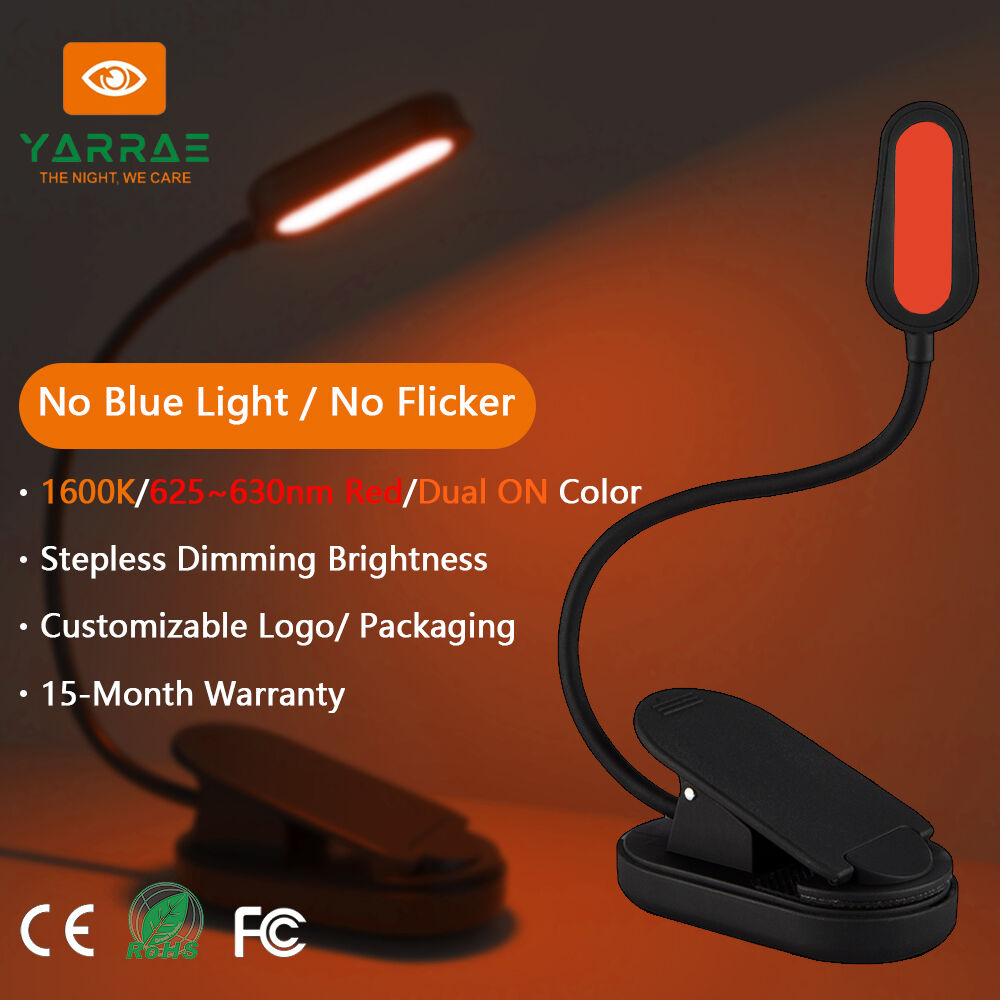
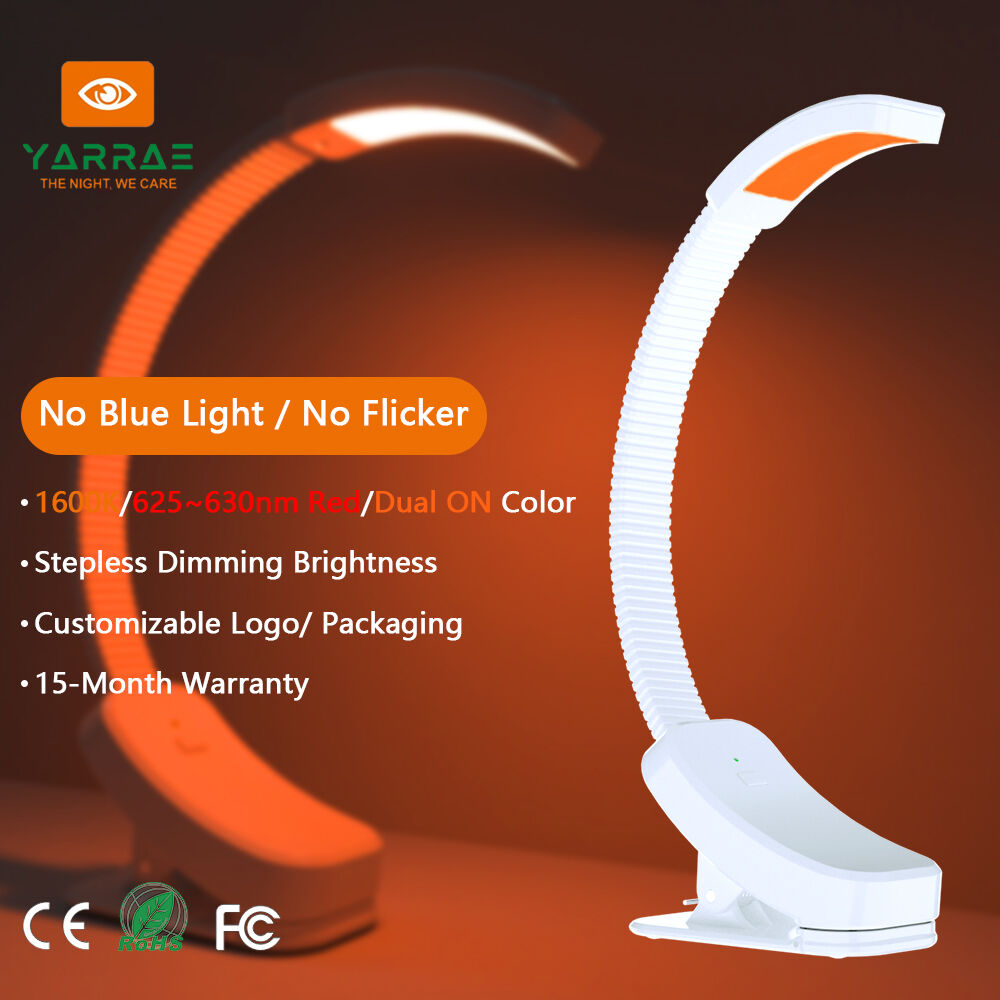
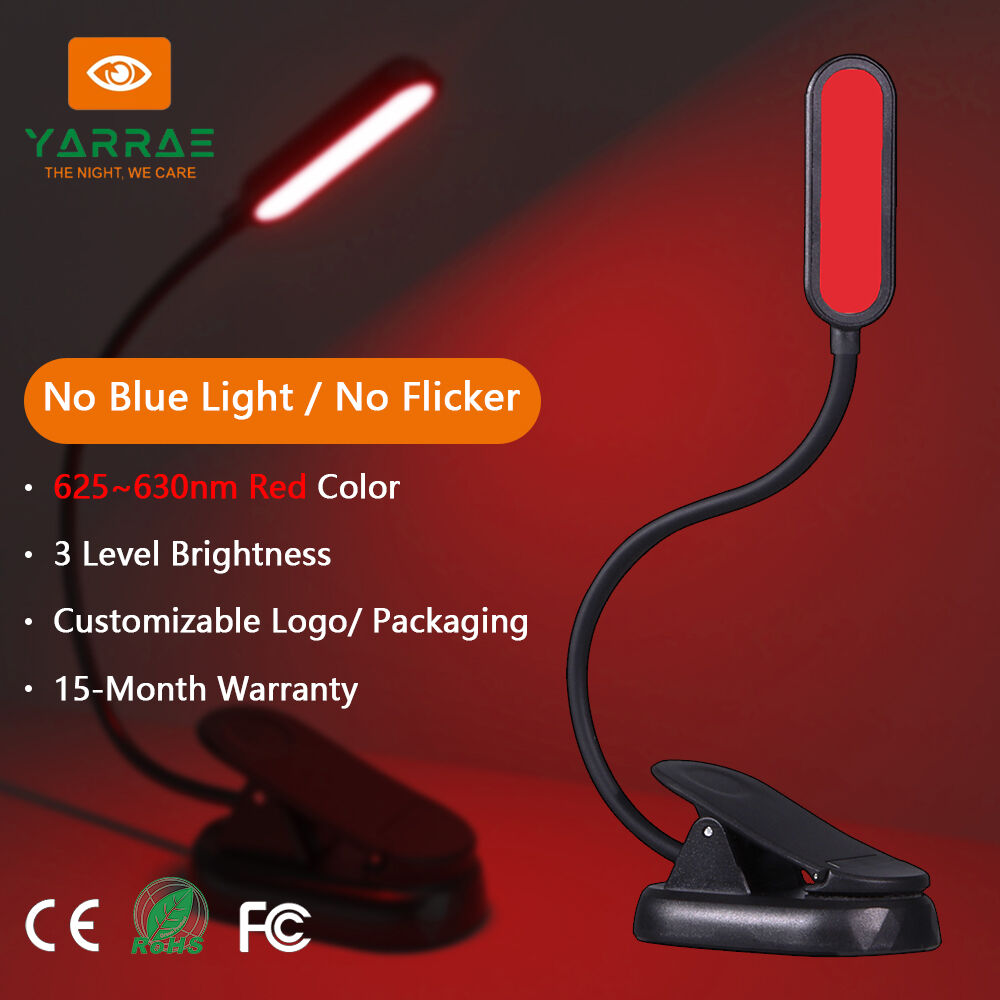
The red book light incorporates extensive safety engineering that exceeds industry standards, providing users with confidence and peace of mind during every treatment session. Advanced thermal management systems prevent overheating through sophisticated heat dissipation technologies, including precision-engineered heat sinks, temperature sensors, and intelligent cooling algorithms that maintain optimal operating temperatures. Electromagnetic field minimization technology reduces potential interference with sensitive electronic devices while ensuring the red book light operates safely near pacemakers, hearing aids, and other medical devices. Eye protection protocols include automatic intensity reduction when sensors detect direct eye exposure, preventing potential retinal damage without interrupting treatment sessions. The device construction utilizes medical-grade materials that resist bacterial growth, maintain structural integrity under regular use, and provide safe skin contact surfaces free from harmful chemicals or allergens. Rigorous electromagnetic compatibility testing ensures the red book light operates without interfering with household electronics, wireless networks, or other medical devices commonly found in modern homes. Electrical safety features include surge protection, short-circuit prevention, and ground fault detection systems that protect both users and the device from electrical hazards. The durable housing construction withstands impacts, temperature variations, and humidity changes typically encountered in residential environments, ensuring reliable operation across diverse conditions. Quality assurance protocols include individual device testing, calibration verification, and performance validation before shipment, guaranteeing that each red book light meets strict specifications. Long-term reliability testing simulates years of regular usage to identify potential failure points and ensure consistent performance throughout the device lifespan. The safety certification process includes evaluation by independent testing laboratories and compliance with international safety standards for medical and consumer electronics. User safety education includes comprehensive manuals, video tutorials, and customer support resources that help users understand proper operation, maintenance requirements, and safety precautions. Automatic shutdown mechanisms activate when sensors detect unusual operating conditions, protecting both users and the device from potential hazards. The warranty program reflects manufacturer confidence in safety and durability engineering, providing comprehensive coverage for defects, performance issues, and premature failures.

 EN
EN