
 EN
EN



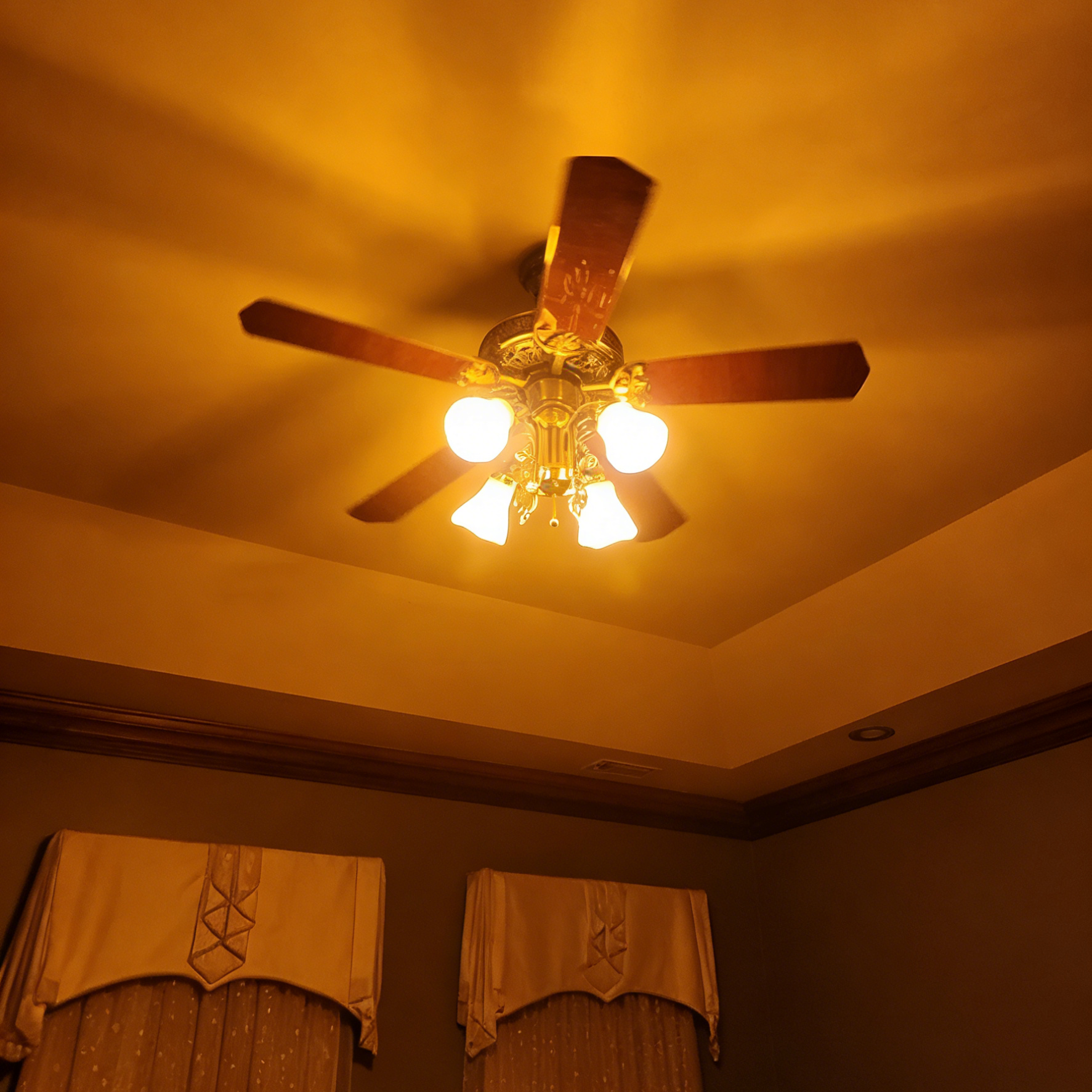
The evolution of lighting technology has transformed how manufacturers approach spectrum light bulbs for wellness applications. Modern light bulb factories are increasingly focusing on customizing spectral output to support circadian rhythms, enhance mood, and promote overall health. This specialized approach to spectrum light bulbs requires sophisticated manufacturing processes and deep understanding of how different wavelengths affect human physiology. As demand grows for therapeutic lighting solutions, factories must adapt their production capabilities to meet specific wellness requirements while maintaining quality and efficiency standards.
Understanding Spectral Customization in Manufacturing
Technical Foundation of Spectrum Control
Manufacturing spectrum light bulbs for wellness applications begins with understanding the fundamental properties of light wavelengths and their biological effects. Factories must invest in precise LED chip selection and phosphor coating technologies that enable accurate spectral output control. The process involves carefully calibrating the ratio of blue, red, and amber wavelengths to create specific therapeutic effects. Advanced manufacturing facilities utilize spectroradiometers and integrating spheres to measure and verify the exact spectral distribution of each product batch, ensuring consistency across all spectrum light bulbs produced.
Quality control systems in modern factories incorporate real-time monitoring of spectral parameters throughout the production process. This includes temperature-controlled environments where spectrum light bulbs are assembled, as thermal variations can significantly impact LED performance and spectral output. Manufacturers implement automated testing protocols that verify color temperature accuracy, wavelength distribution, and photometric performance before products reach market. The integration of Industry 4.0 technologies enables continuous data collection and analysis, allowing for immediate adjustments to maintain optimal spectral characteristics in every batch of spectrum light bulbs.
Advanced Phosphor Technologies
The development of custom phosphor coatings represents a crucial advancement in spectrum light bulbs manufacturing for wellness applications. Factories collaborate with materials science experts to formulate phosphor blends that convert blue LED emissions into specific wavelength combinations targeting circadian regulation and therapeutic benefits. These specialized phosphors enable manufacturers to create spectrum light bulbs with precise red-to-blue ratios that support natural sleep-wake cycles and reduce eye strain during extended use periods.
Innovation in phosphor application techniques allows factories to achieve uniform coating distribution across LED surfaces, ensuring consistent spectral output throughout the operational lifetime of spectrum light bulbs. Remote phosphor configurations and quantum dot technologies provide additional flexibility in spectral tuning while maintaining manufacturing efficiency. Modern production lines incorporate automated dispensing systems that apply phosphor materials with micron-level precision, resulting in spectrum light bulbs that deliver consistent therapeutic lighting experiences across entire product runs.
Production Techniques for Wellness-Focused Lighting
Multi-Channel LED Integration
Contemporary manufacturing approaches for spectrum light bulbs utilize multi-channel LED architectures that combine different wavelength emitters within single fixtures. This technique allows factories to create tunable lighting solutions where users can adjust spectral composition according to specific wellness needs throughout the day. The integration process requires sophisticated driver circuits and thermal management systems that ensure stable performance across all spectral channels while maintaining the longevity expected from professional-grade spectrum light bulbs.
Manufacturing facilities implement specialized assembly processes that position multiple LED chips with precise spacing and alignment to achieve optimal light mixing and spectral uniformity. The production of these advanced spectrum light bulbs involves careful selection of LED bins to minimize color variation between channels and ensure predictable spectral output. Quality assurance protocols include extensive burn-in testing and accelerated aging studies to validate the long-term stability of multi-channel configurations in wellness applications.
Circadian Rhythm Optimization
Factories specializing in wellness lighting focus on developing spectrum light bulbs that closely mimic natural sunlight patterns throughout daily cycles. This involves creating products with dynamic spectral capabilities that shift from energizing blue-rich light in morning hours to warming amber tones in evening periods. Manufacturing teams work closely with chronobiology researchers to establish optimal spectral recipes that support healthy circadian function while maintaining visual comfort and task performance requirements.
The production process for circadian-optimized spectrum light bulbs incorporates programmable control systems that enable precise timing of spectral transitions. Factories invest in advanced testing chambers that simulate various lighting scenarios over extended periods, validating the biological effectiveness of their products before market release. These comprehensive evaluation processes ensure that manufactured spectrum light bulbs deliver measurable benefits for sleep quality, alertness, and overall wellness when deployed in residential and commercial environments.

Quality Control and Testing Protocols
Spectral Accuracy Verification
Maintaining consistent spectral performance across production runs requires rigorous testing protocols that verify the accuracy of spectrum light bulbs throughout manufacturing processes. Modern factories employ automated spectral measurement systems that analyze each product unit for wavelength distribution, color rendering properties, and photobiological safety parameters. These testing procedures ensure that every spectrum light bulbs meets specified wellness criteria while maintaining compliance with international lighting standards and safety regulations.
Advanced quality control systems utilize statistical process control methods to identify trends and variations in spectral output that could affect therapeutic performance. Factories implement corrective feedback loops that automatically adjust manufacturing parameters when measurements deviate from target specifications. This proactive approach to quality management ensures that spectrum light bulbs consistently deliver intended wellness benefits while minimizing production waste and maintaining cost-effective manufacturing operations.
Long-Term Performance Validation
Comprehensive testing protocols for wellness-focused spectrum light bulbs include accelerated aging studies that simulate years of operation under various environmental conditions. These extended evaluation periods verify that spectral characteristics remain stable throughout the expected product lifetime, ensuring continued therapeutic effectiveness. Manufacturers conduct thermal cycling, humidity exposure, and vibration testing to validate the durability of LED components and phosphor materials used in spectrum light bulbs designed for wellness applications.
Field testing programs allow factories to monitor the real-world performance of spectrum light bulbs in actual wellness environments, collecting data on user satisfaction, biological responses, and long-term reliability. This feedback enables continuous improvement in manufacturing processes and product design, leading to enhanced effectiveness in future generations of spectrum light bulbs. The integration of IoT connectivity in some products provides manufacturers with ongoing performance data that supports proactive maintenance and optimization strategies.
Market Applications and Industry Trends
Healthcare and Therapeutic Environments
The healthcare sector represents a rapidly growing market for specialized spectrum light bulbs designed to support patient recovery and staff wellness. Hospitals and medical facilities increasingly recognize the therapeutic value of properly tuned lighting that promotes healing, reduces stress, and supports circadian health among patients and caregivers. Manufacturing facilities must meet stringent medical-grade quality standards while producing spectrum light bulbs that deliver consistent therapeutic benefits across diverse healthcare applications.
Factories serving healthcare markets invest in cleanroom manufacturing environments and implement medical device quality management systems to ensure product reliability and safety. The production of medical-grade spectrum light bulbs requires extensive documentation, traceability, and validation processes that exceed standard commercial lighting requirements. These enhanced manufacturing protocols result in premium spectrum light bulbs that provide healthcare professionals with confidence in their therapeutic lighting investments.
Residential Wellness Integration
Consumer awareness of lighting's impact on health has driven demand for residential spectrum light bulbs that support daily wellness routines. Home automation systems increasingly incorporate circadian lighting controls that automatically adjust spectral output based on time of day and user preferences. Manufacturers must balance therapeutic effectiveness with aesthetic appeal and energy efficiency to create spectrum light bulbs that satisfy both wellness and practical requirements in residential settings.
The residential market for spectrum light bulbs continues expanding as smart home technologies become more accessible and affordable. Factories adapt their production capabilities to support integration with popular home automation platforms while maintaining the spectral precision required for wellness benefits. This market evolution drives innovation in manufacturing techniques that reduce costs while preserving the therapeutic performance that defines high-quality spectrum light bulbs.
FAQ
What makes spectrum light bulbs different from standard LED bulbs?
Spectrum light bulbs incorporate specialized LED chips and phosphor coatings designed to produce specific wavelength combinations that support human wellness and circadian health. Unlike standard LED bulbs that prioritize energy efficiency and basic illumination, spectrum light bulbs are engineered with precise spectral output control to deliver therapeutic benefits such as improved sleep quality, enhanced alertness, and reduced eye strain during extended use.
How do factories ensure consistent spectral output across production batches?
Manufacturing facilities employ advanced quality control systems including spectroradiometers, automated testing protocols, and statistical process control methods to monitor spectral performance throughout production. Factories implement temperature-controlled environments, precision phosphor application systems, and comprehensive burn-in testing to ensure every spectrum light bulbs meets specified wellness criteria and maintains consistent therapeutic effectiveness across entire production runs.
What testing protocols validate the wellness benefits of spectrum light bulbs?
Comprehensive testing includes spectral accuracy verification, accelerated aging studies, photobiological safety assessments, and field testing programs that monitor real-world performance in wellness environments. Manufacturers conduct thermal cycling, humidity exposure testing, and collaborate with chronobiology researchers to establish optimal spectral recipes that deliver measurable benefits for circadian health, sleep quality, and overall user wellness.
Can spectrum light bulbs be customized for specific wellness applications?
Yes, modern manufacturing capabilities enable extensive customization of spectrum light bulbs for targeted wellness applications including healthcare environments, circadian rhythm support, mood enhancement, and therapeutic lighting programs. Factories utilize multi-channel LED integration, programmable control systems, and specialized phosphor formulations to create products tailored to specific biological and therapeutic requirements while maintaining manufacturing efficiency and quality standards.