
 EN
EN



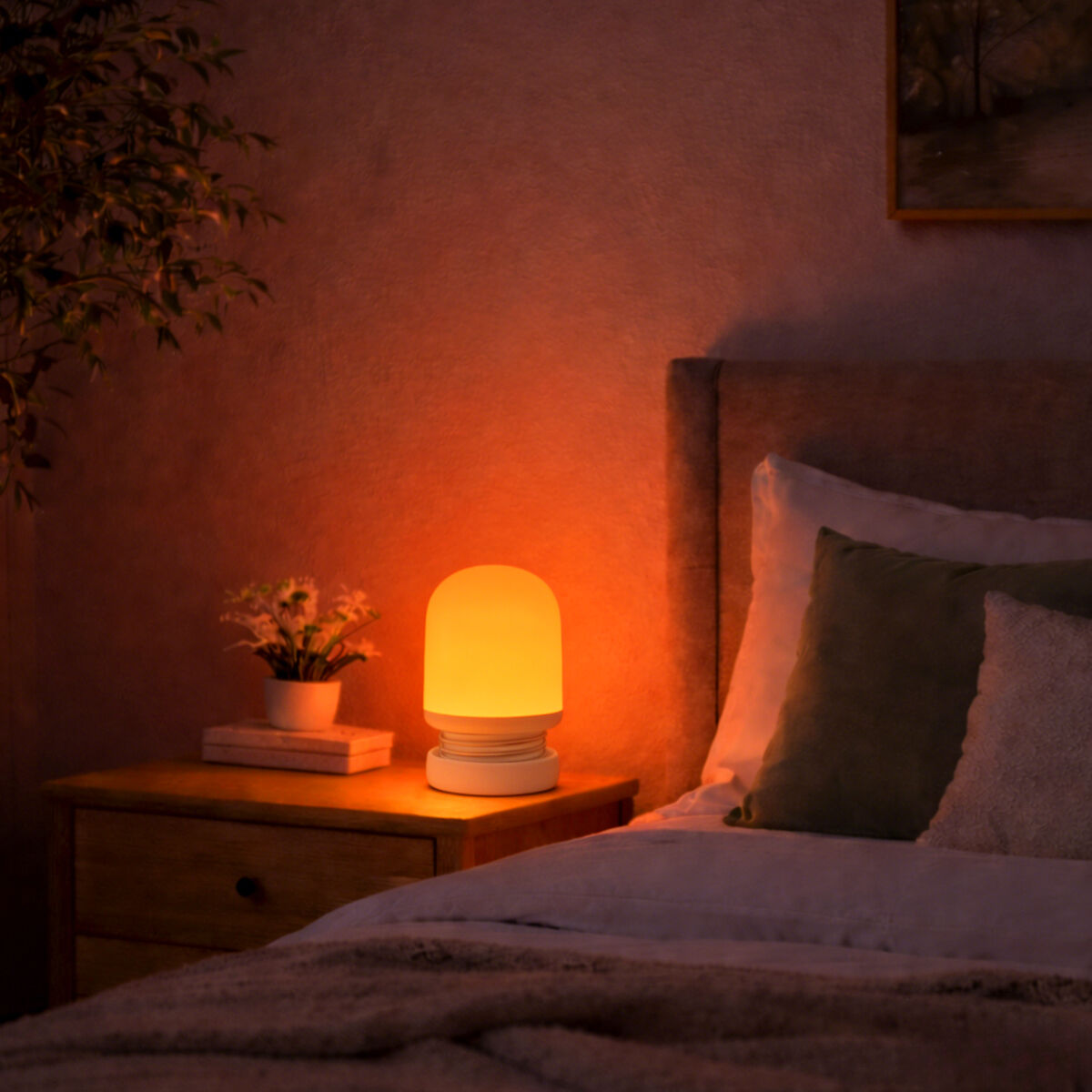
Creating a relaxing bedroom environment requires careful consideration of numerous factors, with lighting being one of the most crucial elements affecting sleep quality and overall comfort. The bedroom lighting color temperature plays a pivotal role in establishing the right ambiance for rest and relaxation, influencing our circadian rhythms and natural sleep-wake cycles. Understanding how different color temperatures impact our physiology and psychology can help homeowners make informed decisions about their bedroom lighting setup.
The science behind bedroom lighting color temperature reveals that our bodies respond differently to various wavelengths of light throughout the day. Cool blue light stimulates alertness and suppresses melatonin production, while warmer tones promote relaxation and prepare the body for sleep. This biological response has evolved over thousands of years, with humans naturally winding down as daylight transitions from bright white to warm amber and eventually to darkness.
Understanding Color Temperature Fundamentals
Kelvin Scale Basics for Bedroom Applications
The Kelvin scale measures bedroom lighting color temperature, ranging from warm oranges around 1800K to cool blues exceeding 6500K. Lower Kelvin values produce warmer, more amber-toned light, while higher values create cooler, bluer illumination. For bedroom environments, understanding this scale helps determine which temperatures promote relaxation versus alertness, making it essential for creating the ideal sleeping space.
Most residential lighting falls between 2700K and 5000K, but bedrooms benefit from even warmer options. Traditional incandescent bulbs typically emit light around 2700K, which many find comfortable for evening activities. However, research suggests that even warmer bedroom lighting color temperature options, particularly those below 2200K, provide superior benefits for sleep preparation and circadian rhythm regulation.
Biological Impact of Different Temperature Ranges
The human circadian system responds predictably to different bedroom lighting color temperature ranges throughout the day. Exposure to cooler temperatures above 4000K during evening hours can significantly delay melatonin production, making it harder to fall asleep naturally. Conversely, warmer temperatures below 2200K have minimal impact on melatonin suppression, allowing the body to maintain its natural sleep preparation process.
Studies have shown that exposure to appropriate bedroom lighting color temperature can improve sleep onset time by up to 30 minutes compared to standard cool white lighting. This improvement translates to better overall sleep quality, increased REM sleep duration, and improved morning alertness levels. The key lies in choosing temperatures that support rather than disrupt natural biological processes.
Optimal Temperature Ranges for Bedroom Relaxation
The 1800K to 2200K Sweet Spot
Research consistently identifies the 1800K to 2200K range as optimal bedroom lighting color temperature for evening relaxation and sleep preparation. This range mimics the warm glow of candlelight or firelight, which humans have associated with rest and safety for millennia. Lighting in this range produces minimal blue light emission, allowing melatonin production to proceed unimpeded while still providing sufficient illumination for necessary activities.
Many sleep specialists recommend transitioning to this bedroom lighting color temperature range at least two hours before intended bedtime. This practice helps signal the body that sleep time approaches, gradually reducing alertness and promoting drowsiness. The warm amber glow creates a cozy, intimate atmosphere that psychologically reinforces relaxation and comfort.
Benefits of Ultra-Warm Lighting Below 1800K
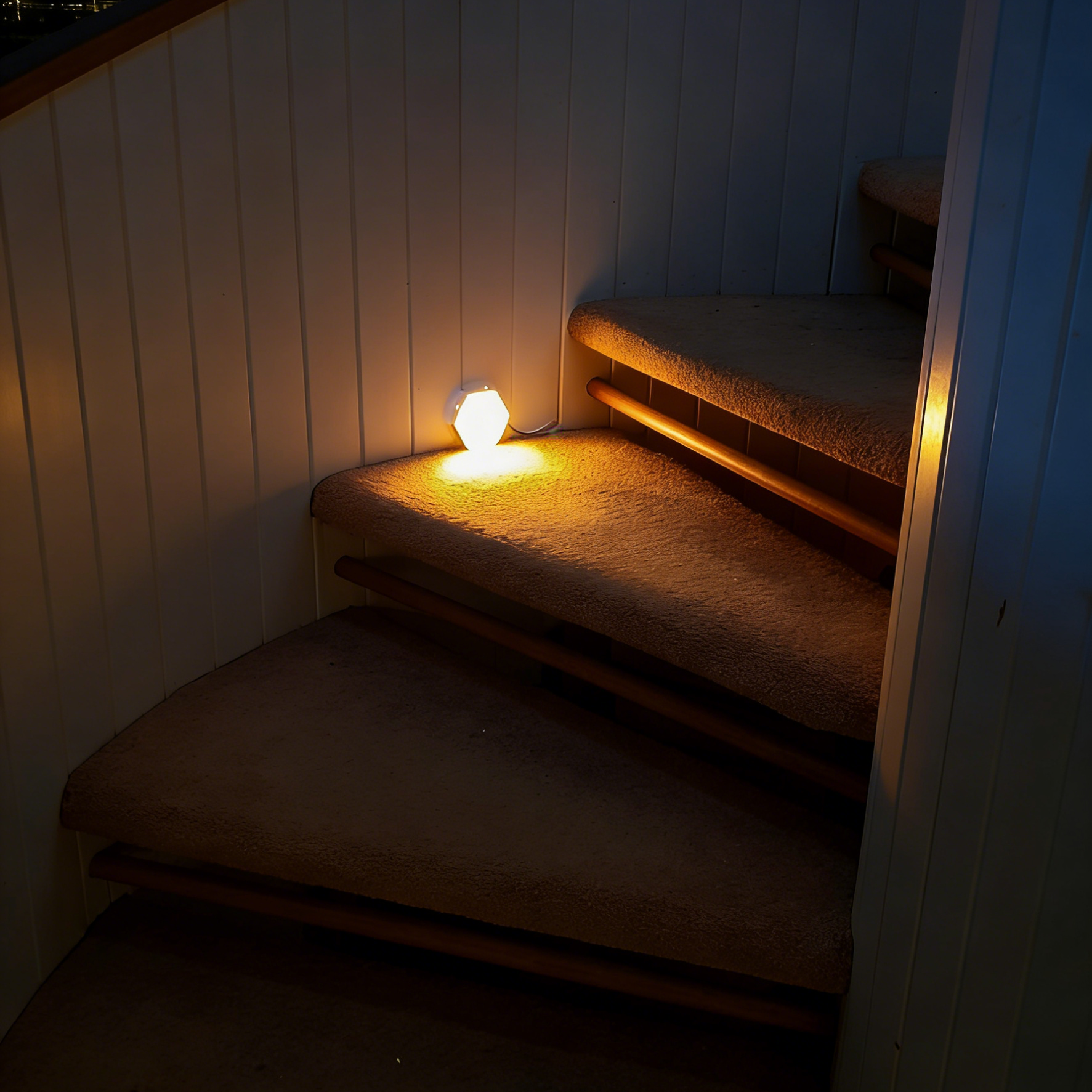
Some lighting manufacturers now offer bedroom lighting color temperature options below 1800K, reaching as low as 1200K for specialized applications. These ultra-warm options prove particularly beneficial for individuals with severe sleep disorders or extreme light sensitivity. The deep amber glow closely resembles candlelight or salt lamp illumination, providing just enough visibility for safe movement while maintaining optimal conditions for melatonin production.
Ultra-warm bedroom lighting color temperature also benefits shift workers, travelers dealing with jet lag, or anyone needing to adjust their sleep schedule. The minimal circadian disruption allows for more flexible sleep timing while still supporting quality rest when sleep does occur.
Practical Implementation Strategies
Layered Lighting Approach for Bedrooms
Implementing optimal bedroom lighting color temperature requires a layered approach that accommodates different activities and times of day. Overhead fixtures can provide general illumination during daytime hours, while bedside lamps and accent lighting deliver the warmer temperatures needed for evening relaxation. This strategy allows for seamless transitions throughout the day without requiring complete fixture replacement.
Dimmer switches prove invaluable for adjusting bedroom lighting color temperature and intensity throughout the evening. Even warm-toned bulbs can be too bright at full intensity during the hours before sleep. Dimming capabilities allow users to gradually reduce light levels while maintaining the appropriate color temperature for their current activity and circadian needs.
Smart Lighting Solutions and Automation
Modern smart lighting systems can automatically adjust bedroom lighting color temperature based on time of day, user preferences, or sleep schedules. These systems gradually shift from cooler temperatures during morning and afternoon hours to progressively warmer tones as evening approaches. Some advanced systems even coordinate with sleep tracking devices to optimize lighting patterns based on individual sleep data.
Programmable bedroom lighting color temperature systems eliminate the guesswork and manual adjustments that many homeowners find inconvenient. Once properly configured, these systems provide consistent, optimized lighting without requiring daily intervention, making it easier to maintain healthy sleep hygiene practices long-term.
Common Mistakes to Avoid
Overuse of Cool White Lighting in Evening Hours
One of the most prevalent mistakes in bedroom lighting design involves using standard cool white bulbs throughout the evening hours. Many homeowners install 3000K to 4000K lighting thinking it provides good visibility, not realizing that this bedroom lighting color temperature significantly disrupts natural sleep preparation. The blue light content in these temperatures can delay sleep onset and reduce overall sleep quality.
Electronic devices compound this problem, as phones, tablets, and televisions emit significant amounts of blue light even when brightness is reduced. Combining poor bedroom lighting color temperature choices with extensive screen time creates a perfect storm for sleep disruption, making it essential to address both lighting and device usage in the hours before bedtime.
Insufficient Lighting Transition Periods
Another common error involves abrupt transitions from bright, cool lighting to very dim, warm lighting without allowing adequate adjustment time. The human circadian system responds best to gradual changes that mimic natural daylight patterns. Sudden shifts in bedroom lighting color temperature can be jarring and may actually increase alertness rather than promoting relaxation.
Effective bedroom lighting color temperature management requires planning transition periods of at least 30 to 60 minutes between different lighting phases. This gradual approach allows the eyes to adjust comfortably while giving the circadian system time to respond appropriately to changing light conditions.
FAQ
What is the best bedroom lighting color temperature for reading before bed
For bedtime reading, the ideal bedroom lighting color temperature ranges between 1800K and 2200K, providing sufficient illumination for comfortable reading while minimizing circadian disruption. This warm amber light reduces eye strain and allows natural melatonin production to continue, helping maintain sleepiness levels. Many readers find that specialized book lights or bedside lamps with adjustable color temperature work best for this purpose.
Can bedroom lighting color temperature affect my partner's sleep if we have different preferences
Individual bedroom lighting color temperature preferences can vary, but couples can accommodate different needs through strategic lighting placement and individual reading lights. Using separate bedside lamps with personalized color temperature settings allows each person to optimize their lighting while minimizing impact on their partner. Alternatively, one partner can use a small, directional light source while the other relies on ambient room lighting set to an optimal temperature for both.
How quickly should I transition to warmer bedroom lighting color temperature in the evening
The transition to warmer bedroom lighting color temperature should begin approximately 2-3 hours before your intended bedtime and occur gradually over that period. Start by reducing cool white lighting and introducing warmer tones around dinner time, then progressively shift to even warmer temperatures as bedtime approaches. This gradual transition allows your circadian system to respond naturally and promotes better sleep onset when you actually go to bed.
Do bedroom lighting color temperature needs change with age or health conditions
Age and certain health conditions can influence optimal bedroom lighting color temperature requirements, with older adults often benefiting from slightly brighter warm lighting due to decreased light sensitivity, while individuals with sleep disorders may need even warmer temperatures below 1800K. People with seasonal affective disorder, shift work sleep disorder, or certain neurological conditions should consult healthcare providers about personalized bedroom lighting color temperature recommendations that complement their treatment plans.
Table of Contents
- Understanding Color Temperature Fundamentals
- Optimal Temperature Ranges for Bedroom Relaxation
- Practical Implementation Strategies
- Common Mistakes to Avoid
-
FAQ
- What is the best bedroom lighting color temperature for reading before bed
- Can bedroom lighting color temperature affect my partner's sleep if we have different preferences
- How quickly should I transition to warmer bedroom lighting color temperature in the evening
- Do bedroom lighting color temperature needs change with age or health conditions