
 EN
EN


Red light therapy has emerged as a revolutionary wellness technology that harnesses the power of specific light wavelengths to promote healing and cellular regeneration. This innovative treatment modality utilizes precise frequencies of red and near-infrared light to penetrate deep into tissues, stimulating natural biological processes that support overall health and vitality. As scientific research continues to validate its therapeutic benefits, red light therapy is becoming increasingly recognized as an effective, non-invasive approach to addressing various health concerns while promoting optimal wellness outcomes.
Understanding the Science Behind Red Light Therapy Wavelengths
The Electromagnetic Spectrum and Therapeutic Light
The electromagnetic spectrum encompasses a vast range of light frequencies, with red light therapy specifically utilizing wavelengths between 630 and 850 nanometers. These particular frequencies fall within the visible red and near-infrared portions of the spectrum, which have been scientifically proven to penetrate human tissue effectively. Unlike shorter wavelengths that may cause cellular damage, red light therapy wavelengths are absorbed by cellular components called chromophores, particularly cytochrome c oxidase in mitochondria.
The depth of penetration varies significantly based on the specific wavelength employed. Red light at 630-660 nanometers primarily affects surface tissues and skin cells, making it ideal for dermatological applications and superficial wound healing. Meanwhile, near-infrared light at 810-850 nanometers can penetrate several centimeters into tissue, reaching muscles, joints, and deeper cellular structures where it can influence mitochondrial function and cellular energy production.
Cellular Mechanisms and Photobiomodulation
Red light therapy operates through a process called photobiomodulation, which involves the absorption of specific light wavelengths by cellular photoreceptors. When cells absorb these therapeutic wavelengths, they trigger a cascade of beneficial biochemical reactions that enhance cellular metabolism and promote healing processes. The primary target of red light therapy is the mitochondria, often referred to as the powerhouse of the cell, where energy production occurs through adenosine triphosphate synthesis.
Research demonstrates that red light therapy can increase mitochondrial respiration by up to 150%, leading to enhanced cellular energy production and improved cellular function. This increased energy availability enables cells to perform repair processes more efficiently, leading to faster tissue regeneration, reduced inflammation, and improved overall cellular health. The therapy also stimulates the production of collagen and elastin, proteins essential for maintaining healthy skin structure and wound healing.
Therapeutic Applications and Wavelength Selection
Skin Health and Dermatological Benefits
Red light therapy has gained significant recognition for its remarkable effects on skin health and appearance. The 630-660 nanometer wavelengths are particularly effective for addressing various dermatological concerns, including acne, fine lines, wrinkles, and age spots. These wavelengths stimulate fibroblast activity, promoting increased collagen production that results in firmer, more youthful-looking skin with improved texture and elasticity.
Clinical studies have shown that regular red light therapy sessions can reduce the appearance of fine lines by up to 36% and improve skin tone uniformity by 42%. The anti-inflammatory properties of red light therapy also make it effective for managing conditions such as rosacea, eczema, and psoriasis, providing relief from symptoms while promoting natural healing processes without the side effects associated with pharmaceutical interventions.
Pain Management and Muscle Recovery
The deeper penetrating wavelengths of red light therapy, particularly those in the 810-850 nanometer range, offer significant benefits for pain management and muscle recovery. These wavelengths can reach deep muscle tissues, joints, and bones, where they reduce inflammation and promote tissue repair at the cellular level. Athletes and fitness enthusiasts increasingly rely on red light therapy to accelerate recovery times and reduce exercise-induced muscle soreness.
Research indicates that red light therapy can reduce muscle fatigue by up to 50% and decrease recovery time following intense physical activity. The therapy works by enhancing blood circulation, reducing oxidative stress, and promoting the removal of metabolic waste products from muscle tissue. Additionally, red light therapy has shown promise in managing chronic pain conditions such as arthritis, fibromyalgia, and lower back pain, offering a drug-free alternative for individuals seeking natural pain relief solutions.
Optimal Treatment Protocols and Wavelength Combinations
Dosage Parameters and Session Duration
The effectiveness of red light therapy depends heavily on proper dosage parameters, including wavelength selection, power density, and treatment duration. Professional-grade devices typically deliver between 10-50 milliwatts per square centimeter, with treatment sessions ranging from 10 to 20 minutes depending on the specific application and target tissue depth. The key principle is achieving sufficient photon delivery to trigger cellular responses without causing thermal damage or cellular stress.
Treatment frequency varies based on the condition being addressed and individual response patterns. For acute injuries or skin conditions, daily sessions may be beneficial initially, gradually reducing to 3-4 times per week as improvement occurs. Chronic conditions often require consistent long-term treatment protocols, with many individuals experiencing cumulative benefits over several weeks or months of regular red light therapy sessions.
Multi-Wavelength Approaches and Synergistic Effects
Modern red light therapy devices often incorporate multiple wavelengths simultaneously to maximize therapeutic benefits across different tissue depths. Combining 630nm, 660nm, and 850nm wavelengths creates a synergistic effect that addresses both superficial and deep tissue concerns in a single treatment session. This multi-wavelength approach allows for comprehensive cellular stimulation while optimizing treatment efficiency and convenience for users.
The combination of different red light therapy wavelengths can enhance overall treatment outcomes by targeting multiple cellular mechanisms simultaneously. Surface wavelengths promote skin healing and collagen production, while deeper wavelengths focus on muscle recovery and inflammation reduction. This comprehensive approach makes red light therapy particularly valuable for individuals with complex health concerns or those seeking overall wellness enhancement rather than targeting specific isolated conditions.
Safety Considerations and Best Practices
Device Quality and Certification Standards
The safety and efficacy of red light therapy depend significantly on device quality and adherence to established certification standards. Professional-grade devices undergo rigorous testing to ensure consistent wavelength output, appropriate power density levels, and electromagnetic compatibility. FDA-cleared devices provide additional assurance of safety and efficacy, having met specific regulatory requirements for medical device classification and performance standards.
When selecting red light therapy equipment, it is essential to verify wavelength accuracy, as devices with imprecise or inconsistent output may not deliver therapeutic benefits and could potentially cause adverse effects. Quality devices feature precise LED arrays, adequate cooling systems, and safety mechanisms such as automatic shutoff timers and eye protection protocols to ensure safe and effective treatment delivery.
Contraindications and Precautionary Measures
While red light therapy is generally considered safe for most individuals, certain contraindications and precautionary measures should be observed to ensure optimal safety outcomes. Pregnant women should avoid red light therapy treatments, particularly over the abdominal area, as insufficient research exists regarding potential effects on fetal development. Individuals with photosensitive conditions or those taking photosensitizing medications should consult healthcare providers before beginning red light therapy protocols.
Eye protection is crucial during red light therapy sessions, as direct exposure to high-intensity LED arrays can cause retinal damage or visual disturbances. Most professional devices include appropriate eye protection, and users should never look directly at active LED panels during treatment. Additionally, individuals with active cancer should avoid red light therapy over tumor sites, as cellular stimulation could potentially accelerate tumor growth, though research in this area remains inconclusive.
Research Developments and Future Applications
Emerging Clinical Evidence and Studies
The growing body of clinical research supporting red light therapy continues to expand our understanding of its therapeutic mechanisms and potential applications. Recent studies have investigated its effects on cognitive function, with preliminary research suggesting that near-infrared wavelengths may improve memory, attention, and processing speed by enhancing mitochondrial function in brain cells. These findings open exciting possibilities for addressing neurodegenerative conditions and age-related cognitive decline.
Cardiovascular health represents another emerging area of red light therapy research, with studies indicating potential benefits for circulation, blood pressure regulation, and cardiac function. The vasodilatory effects of red light therapy may contribute to improved blood flow and reduced cardiovascular risk factors, though larger clinical trials are needed to establish definitive therapeutic protocols for cardiovascular applications.
Technological Advances and Innovation
Technological innovation continues to drive improvements in red light therapy device design, efficiency, and user experience. Advanced LED technology enables more precise wavelength control, improved energy efficiency, and longer device lifespans compared to earlier generation systems. Smart device integration allows for customized treatment protocols, progress tracking, and remote monitoring capabilities that enhance user engagement and treatment adherence.
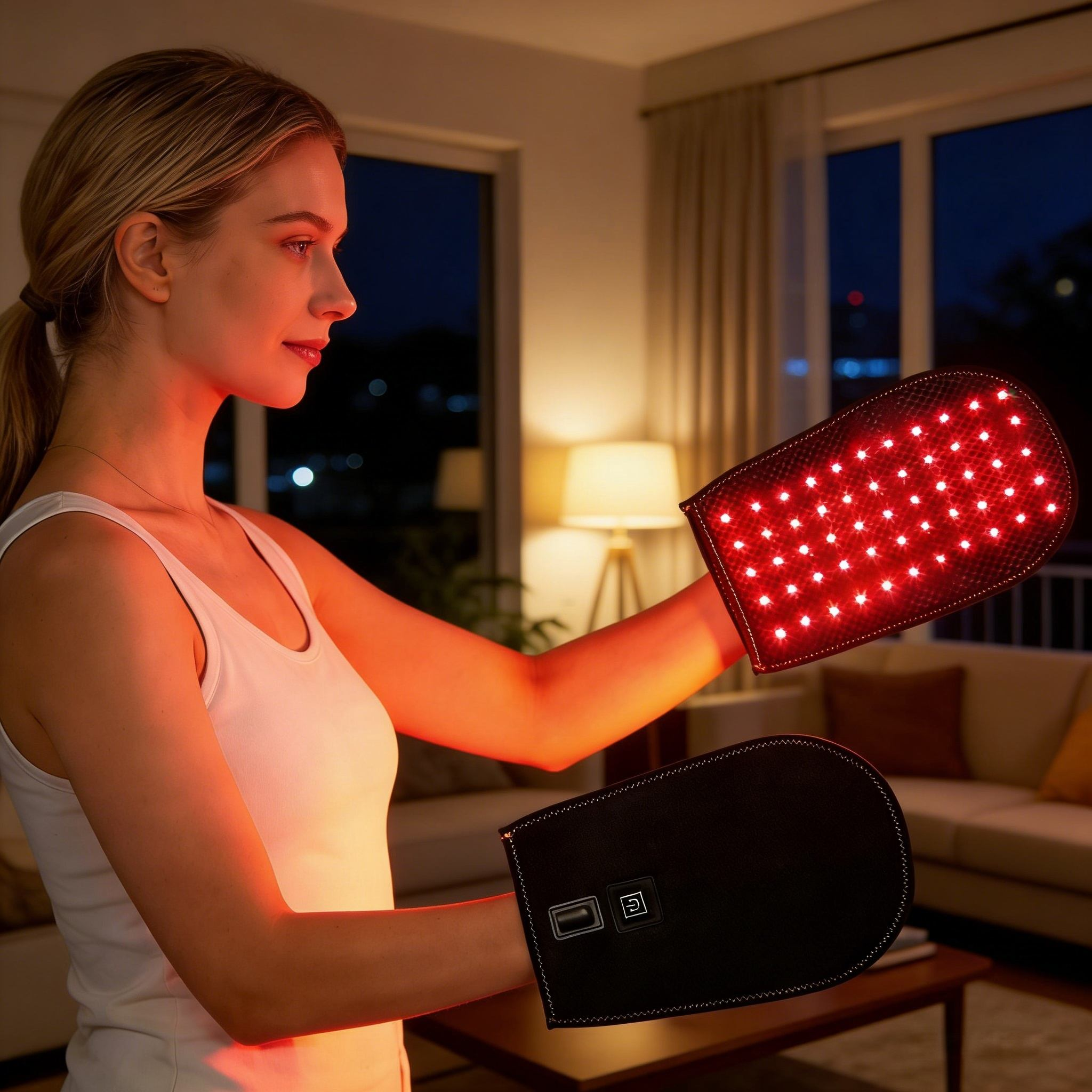
Wearable red light therapy devices represent a significant advancement in treatment accessibility and convenience, allowing individuals to receive therapeutic benefits during daily activities without dedicated treatment time. These portable systems maintain therapeutic efficacy while providing unprecedented flexibility in treatment scheduling and lifestyle integration, making red light therapy more accessible to busy professionals and active individuals seeking convenient wellness solutions.
FAQ
How long does it take to see results from red light therapy?
Results from red light therapy vary depending on the condition being treated and individual factors such as age, health status, and treatment consistency. Many users report initial improvements in skin appearance and energy levels within 2-4 weeks of regular treatment. More significant changes, such as reduced pain or improved muscle recovery, may become apparent after 6-8 weeks of consistent use. Optimal results typically develop over 3-4 months of regular red light therapy sessions.
What is the difference between red and near-infrared wavelengths in therapy?
Red wavelengths (630-660nm) primarily affect surface tissues and are ideal for skin health, wound healing, and superficial applications. Near-infrared wavelengths (810-850nm) penetrate deeper into tissues, reaching muscles, joints, and organs where they influence cellular metabolism and energy production. Many therapeutic devices combine both wavelength ranges to provide comprehensive treatment benefits across different tissue depths simultaneously.
Can red light therapy be used alongside other treatments?
Red light therapy is generally compatible with most conventional treatments and can complement other therapeutic modalities effectively. It may enhance the effectiveness of skincare routines, physical therapy, and wound care protocols. However, individuals should consult healthcare providers before combining red light therapy with other treatments, particularly if using photosensitizing medications or undergoing cancer treatment, to ensure safety and avoid potential interactions.
Are there any side effects associated with red light therapy?
Red light therapy is considered very safe with minimal side effects when used properly. Some individuals may experience temporary eye strain if adequate eye protection is not used, or mild headaches during initial treatments. Rare cases of skin irritation may occur in individuals with extreme photosensitivity. These effects are typically mild and resolve quickly when proper protocols are followed and appropriate device quality is maintained.