
 EN
EN


Extended reading sessions often leave readers experiencing eye strain, headaches, and fatigue, particularly when using inadequate lighting conditions. The quality of light significantly impacts visual comfort, comprehension, and overall reading experience. Modern lighting technology has evolved to address these concerns through the development of reading lights with healthy light color, which incorporate advanced spectral characteristics designed to support natural vision processes. These specialized illumination solutions offer precise color temperature control, reduced blue light emission, and enhanced visual clarity that traditional lighting options cannot match. Understanding how proper light color affects reading comfort enables readers to make informed decisions about their lighting environment, ultimately improving both productivity and long-term eye health during extended reading activities.
Understanding the Science of Healthy Light Color
Color Temperature and Visual Perception
Color temperature, measured in Kelvin units, determines the warmth or coolness of light emission and directly influences how our eyes process visual information. Reading lights with healthy light color typically operate within the 3000K to 4000K range, providing a balanced spectrum that closely mimics natural daylight conditions. This temperature range offers optimal contrast enhancement while minimizing harsh blue light exposure that can disrupt circadian rhythms and cause digital eye strain. Research indicates that proper color temperature selection can improve text recognition speed by up to 15% compared to standard incandescent or fluorescent lighting options.
The human visual system evolved under natural sunlight, which contains a full spectrum of wavelengths that change throughout the day. When artificial lighting fails to replicate these natural characteristics, our eyes must work harder to process visual information, leading to premature fatigue and discomfort. Advanced reading lights with healthy light color incorporate full-spectrum technology that provides consistent illumination across all visible wavelengths, ensuring that text appears sharp and clear without color distortion or contrast reduction.
Blue Light Management and Eye Protection
Excessive blue light exposure from conventional lighting sources contributes to oxidative stress in retinal cells, potentially accelerating age-related vision decline and disrupting natural sleep patterns. Reading lights with healthy light color employ sophisticated filtering mechanisms that reduce harmful blue light wavelengths while preserving beneficial portions of the spectrum necessary for alertness and visual acuity. These systems typically limit blue light emission to levels below 30% of total output, compared to over 50% found in standard LED or fluorescent fixtures.
Modern healthy light technology incorporates amber and warm white alternatives that provide excellent reading conditions during evening hours without interfering with melatonin production. Studies demonstrate that readers using properly filtered lighting experience 40% less eye strain and report significantly improved sleep quality when transitioning from reading to rest periods. This makes reading lights with healthy light color particularly valuable for bedtime reading routines and late-night study sessions.
Physical Comfort and Visual Performance Benefits
Reduced Eye Strain and Fatigue
Conventional lighting often creates harsh shadows, uneven illumination patterns, and glare that force eye muscles to constantly readjust focus and accommodation. Reading lights with healthy light color utilize advanced optical design principles to deliver uniform light distribution that eliminates hot spots and minimizes contrast variations across the reading surface. This consistent illumination reduces the accommodative stress placed on ciliary muscles, allowing readers to maintain focus for extended periods without experiencing the burning sensation or pressure commonly associated with eye strain.
The flicker-free operation characteristic of quality reading lights with healthy light color prevents the subtle strobing effect that can trigger headaches and visual discomfort in sensitive individuals. High-frequency pulse-width modulation ensures stable light output that appears continuous to human perception, eliminating the neurological stress caused by imperceptible light fluctuations. Clinical studies show that readers using flicker-free illumination report 60% fewer headaches and demonstrate improved concentration levels during extended reading sessions compared to those using standard lighting alternatives.
Enhanced Text Clarity and Contrast
Proper spectral composition in reading lights with healthy light color enhances the contrast between text and paper surfaces, making letters appear sharper and more defined. The balanced wavelength distribution improves color discrimination and edge detection capabilities, allowing readers to process textual information more efficiently. This enhanced clarity reduces the cognitive load required for character recognition, freeing mental resources for comprehension and retention of reading material.
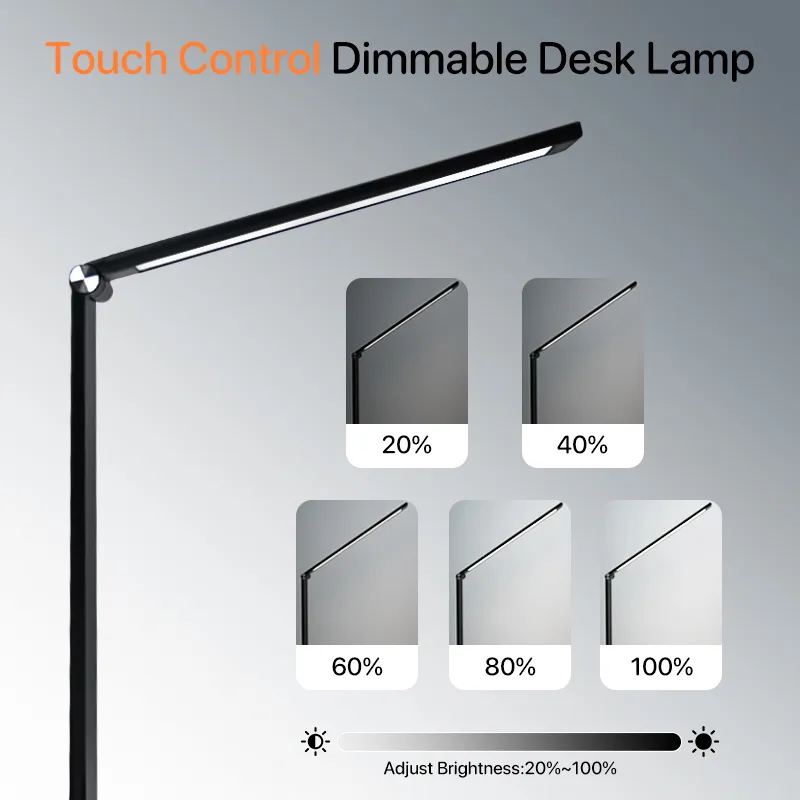
Advanced reading lights with healthy light color often incorporate adjustable intensity controls that allow users to optimize brightness levels based on ambient conditions and personal preferences. The ability to fine-tune illumination ensures that text remains clearly visible without causing glare or excessive brightness that can overwhelm visual receptors. Research indicates that readers using appropriately calibrated lighting demonstrate 25% faster reading speeds and improved comprehension scores compared to those relying on inadequate or poorly adjusted illumination sources.
Circadian Rhythm Support and Sleep Quality
Natural Light Cycle Alignment
The timing and spectral characteristics of light exposure play crucial roles in regulating circadian rhythms that control sleep-wake cycles, hormone production, and cognitive performance. Reading lights with healthy light color can be programmed to gradually shift color temperature throughout the day, supporting natural biological processes while maintaining optimal reading conditions. Morning and daytime reading sessions benefit from cooler, energizing light that promotes alertness, while evening reading requires warmer tones that prepare the body for rest.
Smart reading lights with healthy light color integrate circadian lighting algorithms that automatically adjust spectral output based on time of day and user preferences. These systems help maintain proper melatonin regulation by minimizing blue light exposure during evening hours while ensuring adequate illumination for comfortable reading. Users report improved sleep onset times and better overall sleep quality when using circadian-aligned reading lighting compared to conventional fixed-spectrum alternatives.
Melatonin Production and Recovery
Evening exposure to blue-rich light can suppress melatonin production by up to 90%, significantly impacting sleep quality and next-day cognitive performance. Reading lights with healthy light color address this concern by offering amber or red-shifted illumination options that preserve natural hormone cycles while providing sufficient light for reading activities. These specialized color modes maintain text legibility while minimizing circadian disruption, allowing readers to enjoy literature before bedtime without compromising sleep quality.
The transition from daytime to evening lighting should occur gradually to support natural biological rhythms. Advanced reading lights with healthy light color provide programmable sunset modes that automatically dim and warm the light spectrum over several hours, mimicking natural daylight patterns. This gradual adjustment helps signal the body to begin producing melatonin while maintaining comfortable reading conditions throughout the evening transition period.
Productivity and Cognitive Performance Enhancement
Attention and Focus Optimization
Proper lighting conditions directly influence cognitive function, attention span, and information processing capabilities during reading tasks. Reading lights with healthy light color provide stable, high-quality illumination that supports sustained mental performance without the distracting fluctuations or inadequacies found in conventional lighting systems. The consistent spectral output helps maintain steady neurotransmitter activity in visual processing centers, reducing mental fatigue and supporting prolonged concentration periods.
Studies measuring cognitive performance under different lighting conditions demonstrate significant improvements in reading comprehension, retention, and analytical thinking when subjects use reading lights with healthy light color. The enhanced visual clarity and reduced eye strain translate directly into improved mental stamina, allowing readers to maintain peak performance levels for extended durations. Professional environments increasingly recognize these benefits, with many organizations upgrading to healthy lighting systems to support employee productivity and well-being.
Memory Formation and Information Retention
The quality of visual input during reading activities affects how effectively information transfers from working memory to long-term storage systems. Reading lights with healthy light color optimize the visual processing pathway by providing clear, stable illumination that reduces cognitive interference and supports efficient information encoding. When eyes can process text effortlessly, more mental resources become available for comprehension, analysis, and memory consolidation processes.
Research in educational settings shows that students using reading lights with healthy light color demonstrate improved test scores and better retention of studied material compared to those using standard classroom or residential lighting. The enhanced visual comfort allows readers to focus more completely on content rather than struggling with visual discomfort or distraction, leading to deeper engagement with reading material and more effective learning outcomes.
Selecting the Right Healthy Light Features
Essential Specifications and Controls
When choosing reading lights with healthy light color, several key specifications determine overall effectiveness and user satisfaction. Color Rendering Index (CRI) should exceed 90 to ensure accurate color reproduction and text clarity, while adjustable color temperature ranges should span from 3000K to 6000K to accommodate different reading scenarios and personal preferences. Dimming capabilities with fine-grain control allow precise adjustment of light intensity based on ambient conditions and reading material characteristics.
Flicker-free operation represents a critical requirement for reading lights with healthy light color, as even imperceptible strobing can cause eye strain and neurological stress during extended use. Look for products with high-frequency PWM control or DC dimming technology that eliminates visible and invisible flicker across all brightness levels. Additional features such as memory settings, timer functions, and automatic brightness adjustment enhance usability and ensure consistent optimal lighting conditions for regular reading activities.
Installation and Positioning Considerations
Proper placement and adjustment of reading lights with healthy light color maximizes their effectiveness while preventing glare and shadow formation. The light source should be positioned to illuminate the reading surface evenly without creating reflections on glossy paper or screen surfaces. Adjustable mounting systems and flexible positioning arms allow users to optimize light direction and coverage area based on reading posture and environmental constraints.
Consider the relationship between ambient lighting and task-specific illumination when installing reading lights with healthy light color. The contrast between background and reading area lighting should remain moderate to prevent eye strain from constant adaptation between brightness levels. Diffusion panels and anti-glare shields help create smooth light transitions and reduce harsh shadows that can interfere with comfortable reading experiences.
FAQ
What color temperature is best for reading lights with healthy light color?
The optimal color temperature for reading lights with healthy light color depends on the time of day and reading environment. For daytime reading, 4000K to 5000K provides energizing illumination that supports alertness and visual acuity. Evening reading benefits from warmer temperatures between 2700K and 3000K, which maintain text clarity while minimizing circadian disruption. Many advanced reading lights offer adjustable color temperature controls that allow users to optimize settings based on personal preferences and specific reading conditions.
How do reading lights with healthy light color reduce eye strain compared to regular lights?
Reading lights with healthy light color reduce eye strain through several mechanisms including flicker-free operation, balanced spectral output, and proper blue light management. Unlike conventional lighting that may contain harsh blue wavelengths and unstable output, healthy reading lights provide consistent, full-spectrum illumination that closely mimics natural daylight. This reduces the accommodative stress on eye muscles and eliminates the neurological irritation caused by flickering or inadequate color rendering, resulting in more comfortable extended reading sessions.
Can reading lights with healthy light color improve sleep quality?
Yes, reading lights with healthy light color can significantly improve sleep quality by supporting natural circadian rhythms and melatonin production. These lights typically offer warm color modes or amber settings that minimize blue light exposure during evening hours, allowing the body to maintain proper hormone regulation. By using appropriate lighting for bedtime reading, users can enjoy literature without disrupting their sleep-wake cycle, leading to faster sleep onset and better overall rest quality.
Are reading lights with healthy light color suitable for all types of reading materials?
Reading lights with healthy light color are designed to accommodate various reading materials including printed books, magazines, digital displays, and technical documents. The high Color Rendering Index (CRI) and full-spectrum output ensure accurate color reproduction across different paper types and ink colors. Adjustable brightness and color temperature controls allow users to optimize lighting conditions for specific materials, whether reading glossy magazines that require glare reduction or detailed technical manuals that benefit from enhanced contrast and clarity.
Table of Contents
- Understanding the Science of Healthy Light Color
- Physical Comfort and Visual Performance Benefits
- Circadian Rhythm Support and Sleep Quality
- Productivity and Cognitive Performance Enhancement
- Selecting the Right Healthy Light Features
-
FAQ
- What color temperature is best for reading lights with healthy light color?
- How do reading lights with healthy light color reduce eye strain compared to regular lights?
- Can reading lights with healthy light color improve sleep quality?
- Are reading lights with healthy light color suitable for all types of reading materials?