
 EN
EN



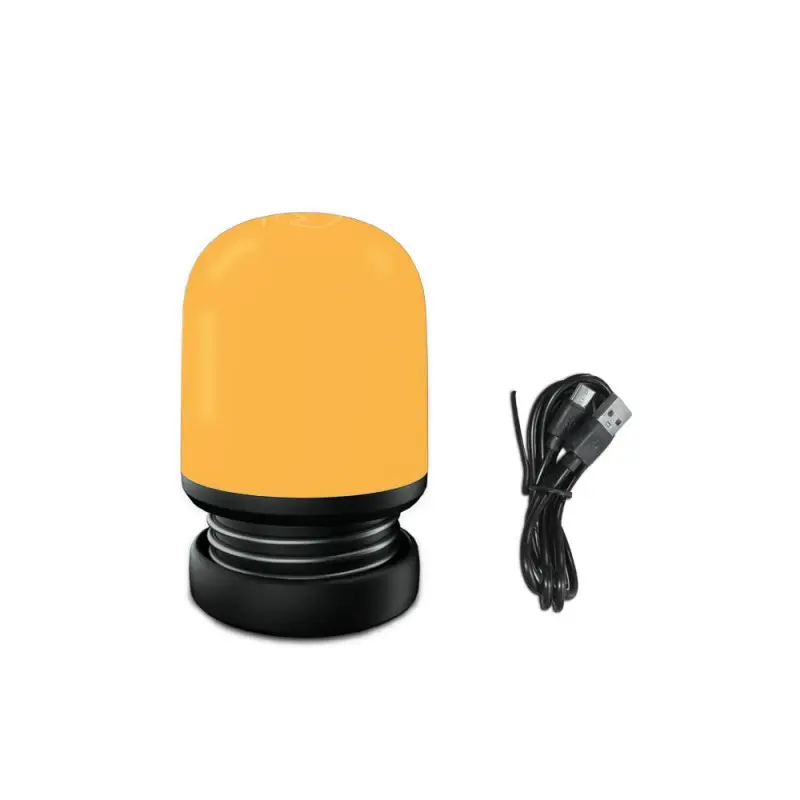
Manufacturing excellence in the lighting industry increasingly depends on factory customization strategies that enable precise quality control and consistent product outcomes. Modern lighting manufacturers leverage advanced factory customization techniques to ensure every night light meets stringent performance standards while maintaining cost-effectiveness. This comprehensive approach to production optimization has revolutionized how lighting companies deliver reliable products to consumers worldwide.
Understanding Factory Customization in Night Light Manufacturing
Core Principles of Manufacturing Customization
Factory customization encompasses a comprehensive methodology where manufacturing processes are tailored to specific product requirements rather than following rigid, one-size-fits-all approaches. In night light production, this means adjusting machinery settings, quality control protocols, and assembly procedures to match the unique specifications of each product line. Advanced manufacturers implement factory customization to optimize component selection, color temperature calibration, and sensor sensitivity adjustments that directly impact final product performance.
The implementation of factory customization begins with detailed product analysis and requirements mapping. Engineering teams evaluate factors such as intended use cases, target markets, and performance expectations to establish customized production parameters. This systematic approach ensures that every aspect of the manufacturing process aligns with specific quality objectives, resulting in night lights that consistently meet or exceed performance benchmarks.
Technology Integration in Customized Production
Modern factory customization relies heavily on sophisticated technology integration to achieve precise control over manufacturing variables. Automated systems monitor and adjust production parameters in real-time, ensuring consistent output quality throughout extended manufacturing runs. These technological solutions enable manufacturers to maintain tight tolerances while adapting quickly to changing product specifications or quality requirements.
Quality monitoring systems integrated into customized production lines provide continuous feedback on critical parameters such as light output, color consistency, and sensor responsiveness. This real-time data collection enables immediate adjustments when deviations occur, preventing quality issues from propagating through entire production batches. The result is significantly improved consistency across all manufactured units.
Quality Enhancement Through Customized Manufacturing Processes
Component Selection and Sourcing Optimization
Factory customization enables precise component selection tailored to specific performance requirements and quality standards. Rather than using generic components across all product lines, customized manufacturing approaches allow for strategic component sourcing that optimizes performance characteristics. This includes selecting LED chips with specific color temperature ranges, choosing sensors with appropriate sensitivity levels, and incorporating battery technologies that match intended usage patterns.
The customization process extends to supplier relationships and quality agreements that ensure consistent component quality over time. Manufacturers establish detailed specifications with component suppliers, including tolerances, testing protocols, and quality metrics that must be maintained throughout the supply relationship. This approach creates a foundation for consistent product quality that extends beyond internal manufacturing processes.
Production Line Calibration and Control
Successful factory customization requires precise calibration of production equipment to match specific product requirements. This includes adjusting soldering temperatures, component placement accuracy, and testing parameters to optimize for particular night light designs. Each production line configuration is documented and maintained to ensure repeatability across different production runs and time periods.
Advanced calibration procedures incorporate statistical process control methods that monitor key quality indicators throughout production cycles. These systems automatically flag potential quality issues before they result in defective products, enabling proactive adjustments that maintain consistent output quality. The integration of these controls into factory customization processes significantly reduces variation in final product performance.

Consistency Achievement Through Standardized Customization
Process Documentation and Control Systems
Factory customization paradoxically achieves consistency through standardized approaches to customization itself. Detailed process documentation captures every aspect of customized production procedures, creating repeatable methodologies that can be consistently applied across different production runs. This documentation includes equipment settings, quality checkpoints, testing procedures, and acceptance criteria that ensure uniform application of customization principles.
Control systems monitor adherence to documented procedures and automatically alert operators when deviations occur. These systems maintain consistency by ensuring that customization parameters remain within specified ranges throughout production cycles. The combination of thorough documentation and automated monitoring creates a framework for achieving consistent results through controlled customization processes.
Training and Skills Development Programs
Human factors play a crucial role in successful factory customization implementation. Comprehensive training programs ensure that production personnel understand both the technical aspects of customization and the quality objectives they support. These programs cover equipment operation, quality assessment techniques, and problem-solving methodologies that enable workers to maintain consistency while adapting to customized production requirements.
Ongoing skills development ensures that factory customization capabilities evolve with changing technology and quality requirements. Regular training updates introduce new techniques, reinforce quality standards, and address emerging challenges in customized manufacturing. This investment in human capital creates a foundation for sustained quality improvement through effective factory customization implementation.
Advanced Quality Control Integration
Real-Time Monitoring and Feedback Systems
Factory customization incorporates sophisticated monitoring systems that provide real-time feedback on critical quality parameters throughout the manufacturing process. These systems continuously evaluate factors such as light output intensity, color temperature accuracy, and sensor response characteristics to ensure consistent performance across all produced units. Data collection occurs at multiple points in the production process, creating comprehensive quality profiles for each manufactured night light.
Feedback systems enable immediate corrective action when quality parameters drift outside acceptable ranges. Automated alerts notify operators of potential issues, while integrated adjustment systems can automatically correct minor deviations without interrupting production flow. This real-time responsiveness ensures that factory customization maintains consistent quality outcomes even when facing normal manufacturing variations.
Statistical Process Control Implementation
Statistical process control methods form the analytical foundation for effective factory customization in night light manufacturing. These techniques enable manufacturers to identify trends, predict potential quality issues, and optimize production parameters based on historical performance data. Control charts track key quality metrics over time, revealing patterns that inform customization decisions and process improvements.
The implementation of statistical controls within factory customization frameworks provides objective measures of process capability and product consistency. These metrics enable continuous improvement efforts by identifying opportunities for enhanced customization that further improve quality outcomes. Regular analysis of statistical data drives refinements in customization approaches that progressively enhance manufacturing performance.
Cost Efficiency and Quality Optimization Balance
Resource Allocation Strategies
Effective factory customization requires strategic resource allocation that balances quality enhancement with cost control objectives. This involves identifying which aspects of the manufacturing process benefit most from customization and focusing resources on those areas that provide maximum quality improvement. Manufacturers analyze the relationship between customization investments and quality outcomes to optimize resource utilization across production operations.
Resource allocation strategies consider both immediate quality benefits and long-term competitive advantages of factory customization investments. This includes evaluating equipment upgrades, training programs, and process improvements that enhance customization capabilities while maintaining cost-effectiveness. The goal is to achieve superior quality outcomes through customization while preserving manufacturing competitiveness in global markets.
Return on Investment Analysis
Factory customization investments require careful analysis of returns generated through improved quality and consistency. Manufacturers evaluate metrics such as defect reduction, customer satisfaction improvements, and market positioning advantages that result from enhanced customization capabilities. These analyses inform decisions about future customization investments and help optimize the balance between quality enhancement and cost management.
Long-term return analysis considers the cumulative benefits of factory customization over extended periods. This includes reduced warranty costs, enhanced brand reputation, and improved customer loyalty that result from consistently high-quality products. These long-term benefits often justify significant investments in factory customization infrastructure and capabilities that might not show immediate returns but provide substantial competitive advantages over time.
Future Trends in Manufacturing Customization
Artificial Intelligence and Machine Learning Integration
The future of factory customization increasingly incorporates artificial intelligence and machine learning technologies that enhance both quality control and process optimization capabilities. These systems analyze vast amounts of production data to identify subtle patterns and relationships that human operators might miss. AI-driven customization can automatically adjust production parameters based on real-time quality feedback and historical performance data.
Machine learning algorithms continuously improve factory customization effectiveness by learning from past production experiences and quality outcomes. These systems become progressively more sophisticated in their ability to predict quality issues and recommend optimal customization parameters for specific production scenarios. The integration of AI technologies represents a significant advancement in the precision and effectiveness of manufacturing customization approaches.
Industry 4.0 and Smart Manufacturing
Industry 4.0 principles are transforming factory customization through enhanced connectivity, data integration, and automated decision-making capabilities. Smart manufacturing systems enable real-time coordination between different production areas, ensuring that customization decisions made in one area are immediately communicated and implemented throughout the manufacturing process. This coordination significantly improves the consistency and effectiveness of customization efforts.
The implementation of Industry 4.0 technologies creates opportunities for more sophisticated factory customization approaches that respond dynamically to changing quality requirements and production conditions. These systems enable manufacturers to achieve unprecedented levels of quality consistency while maintaining the flexibility needed to adapt to evolving market demands and customer expectations.
FAQ
How does factory customization specifically improve night light quality compared to standard manufacturing
Factory customization improves night light quality by tailoring manufacturing processes to specific product requirements rather than using generic production methods. This includes optimizing component selection for desired performance characteristics, calibrating equipment for precise assembly tolerances, and implementing quality controls that monitor critical parameters like light output and color temperature. The customized approach ensures that every aspect of production is optimized for the intended application, resulting in consistently higher quality products that meet exact specifications.
What are the key indicators that demonstrate successful factory customization implementation
Successful factory customization implementation is demonstrated through several key indicators including reduced defect rates, improved consistency in product performance metrics, enhanced customer satisfaction scores, and decreased warranty claims. Additionally, manufacturers see improved process capability indices, reduced variation in critical quality parameters, and better alignment between product specifications and actual performance. These indicators collectively show that customization efforts are effectively translating into tangible quality improvements.
How do manufacturers maintain consistency when implementing multiple customization approaches
Manufacturers maintain consistency across multiple customization approaches through comprehensive process documentation, standardized procedures for implementing customization, and robust training programs that ensure uniform application of customization principles. Control systems monitor adherence to established procedures while statistical process control methods track quality outcomes across different customization scenarios. This systematic approach ensures that customization enhances rather than compromises consistency in manufacturing operations.
What role does technology play in modern factory customization for lighting products
Technology plays a crucial role in modern factory customization through automated monitoring systems, real-time quality feedback mechanisms, and data analytics platforms that optimize customization parameters. Advanced systems enable precise control over manufacturing variables while providing immediate feedback on quality outcomes. Integration of AI and machine learning technologies further enhances customization effectiveness by automatically adjusting production parameters based on historical performance data and real-time quality measurements, creating increasingly sophisticated and effective customization capabilities.
Table of Contents
- Understanding Factory Customization in Night Light Manufacturing
- Quality Enhancement Through Customized Manufacturing Processes
- Consistency Achievement Through Standardized Customization
- Advanced Quality Control Integration
- Cost Efficiency and Quality Optimization Balance
- Future Trends in Manufacturing Customization
-
FAQ
- How does factory customization specifically improve night light quality compared to standard manufacturing
- What are the key indicators that demonstrate successful factory customization implementation
- How do manufacturers maintain consistency when implementing multiple customization approaches
- What role does technology play in modern factory customization for lighting products