
 EN
EN



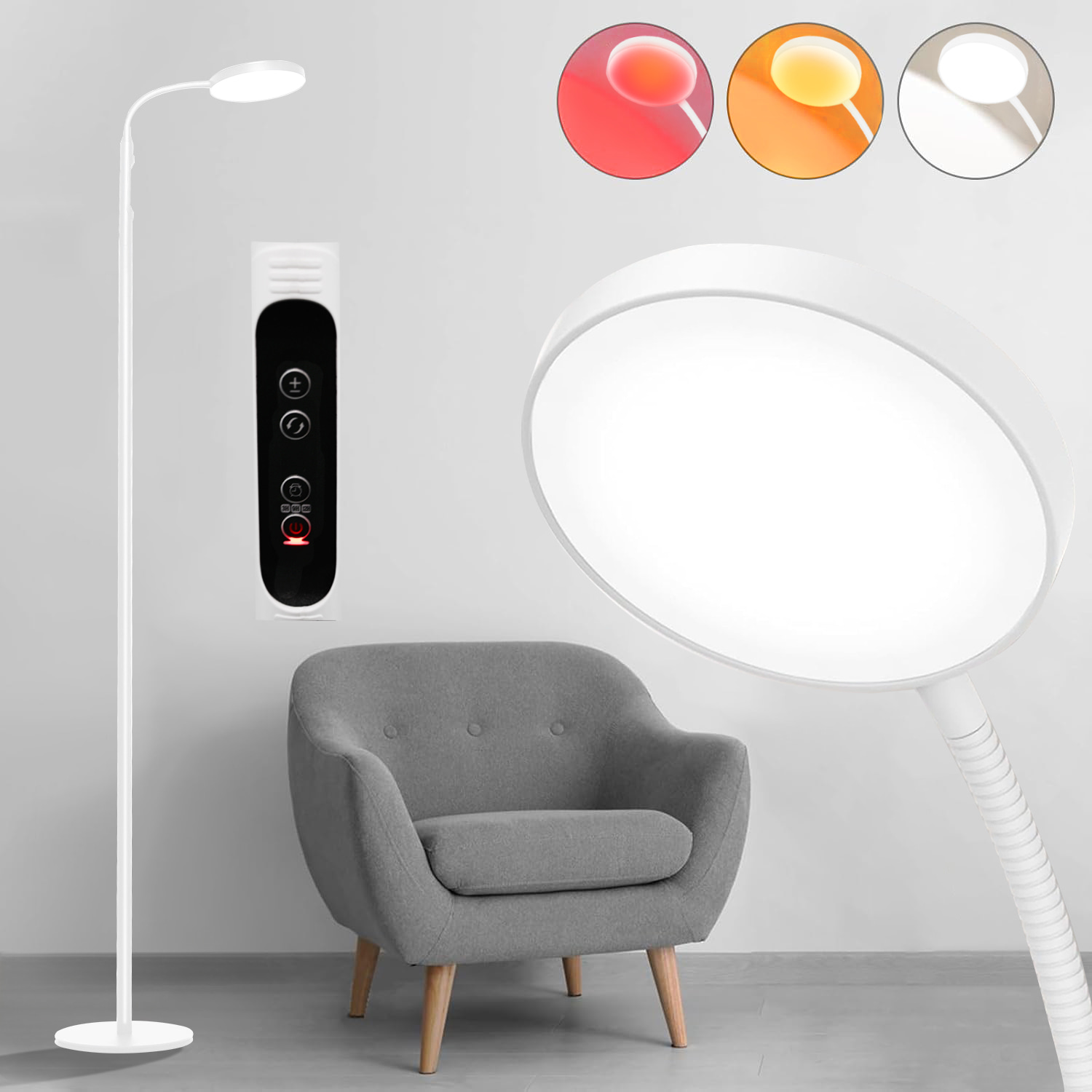
Modern living rooms require sophisticated lighting solutions that enhance both functionality and aesthetic appeal. An LED floor lamp serves as a versatile lighting fixture that transforms the ambiance of any space through its energy-efficient technology and adjustable illumination capabilities. These contemporary lighting solutions offer homeowners the perfect balance between practicality and style, creating warm, inviting environments that adapt to various activities throughout the day.
The integration of LED technology into floor lighting has revolutionized how we approach interior illumination. Unlike traditional incandescent or fluorescent alternatives, an LED floor lamp provides superior light quality while consuming significantly less energy. This technological advancement enables homeowners to create layered lighting schemes that complement natural light sources and enhance the overall visual comfort of their living spaces.
Understanding LED Floor Lamp Technology
Energy Efficiency and Performance
The core advantage of an LED floor lamp lies in its exceptional energy efficiency compared to conventional lighting options. LED technology converts approximately 80-90% of electrical energy into visible light, while traditional incandescent bulbs only achieve 10-20% efficiency. This significant improvement translates to reduced electricity bills and lower environmental impact, making LED floor lamps an economically and ecologically sound choice for modern households.
Performance characteristics of LED floor lamps extend beyond energy savings to include impressive longevity. Quality LED components typically operate for 25,000 to 50,000 hours, dramatically outlasting traditional bulbs that may require replacement every 1,000 to 2,000 hours. This extended lifespan reduces maintenance costs and ensures consistent lighting quality throughout the fixture's operational life.
Color Temperature and Dimming Capabilities
Modern LED floor lamp designs incorporate advanced color temperature control, allowing users to adjust the warmth or coolness of emitted light. This functionality enables seamless transitions from bright, cool daylight settings for reading or work activities to warm, relaxing tones for evening entertainment or relaxation. The ability to modify color temperature enhances the versatility of ambient lighting throughout different times of day.
Dimming capabilities further enhance the adaptability of an LED floor lamp in living room environments. Smart dimming controls allow precise adjustment of light intensity, creating customized ambiance for various activities such as watching television, hosting dinner parties, or enjoying quiet conversations. These features contribute to the overall comfort and functionality of modern living spaces.
Ambient Lighting Design Principles
Creating Layered Illumination
Effective ambient lighting design requires understanding how different light sources interact to create cohesive illumination throughout a living space. An LED floor lamp serves as an essential component in layered lighting schemes, providing general illumination that complements overhead fixtures, table lamps, and accent lighting. This layered approach eliminates harsh shadows and creates even light distribution that enhances visual comfort.
The strategic placement of an LED floor lamp contributes to balanced light distribution by filling gaps in overhead lighting coverage. Corner placement can effectively bounce light off walls and ceilings, creating soft, indirect illumination that enhances the perceived spaciousness of living rooms. This technique particularly benefits smaller spaces where harsh direct lighting might create an unwelcoming atmosphere.
Light Distribution and Shadow Management
Proper light distribution requires careful consideration of how an LED floor lamp projects illumination throughout the living space. Upward-facing designs direct light toward ceilings, creating gentle, diffused ambient lighting that minimizes glare and harsh shadows. This indirect lighting approach produces comfortable illumination suitable for relaxation and social activities.
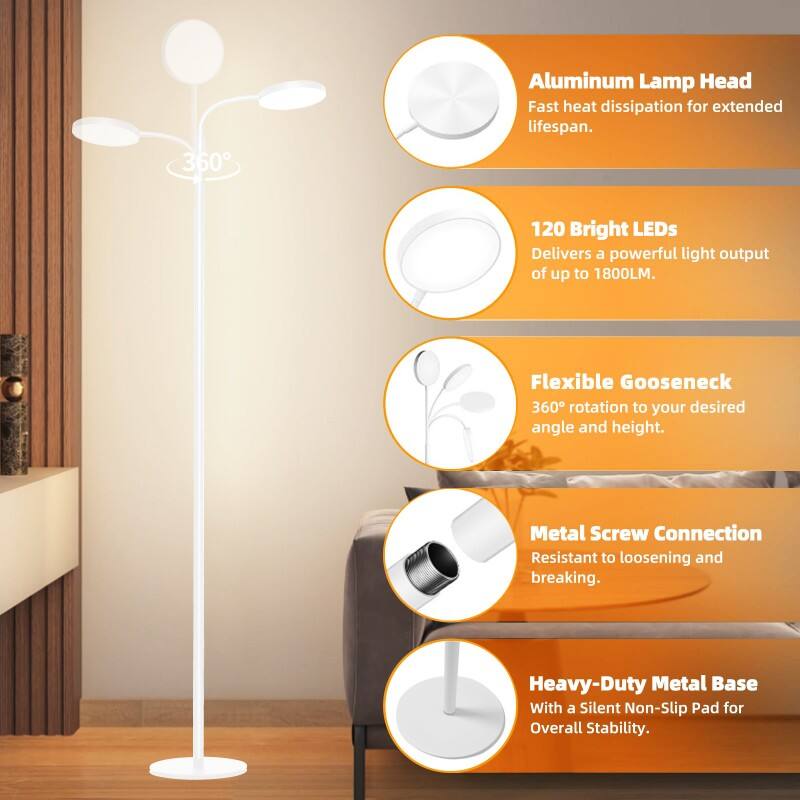
Shadow management becomes crucial in living room lighting design, as poorly positioned fixtures can create unflattering or uncomfortable lighting conditions. An LED floor lamp with adjustable positioning allows homeowners to fine-tune light direction, eliminating problematic shadows while maintaining adequate illumination for various activities. This flexibility ensures optimal lighting conditions regardless of furniture arrangement or room configuration.
Living Room Integration Strategies
Furniture Coordination and Spatial Planning
Integrating an LED floor lamp into existing living room décor requires thoughtful consideration of furniture arrangement and spatial relationships. The lamp's position should complement seating areas while providing functional illumination without obstructing traffic flow or visual sight lines. Strategic placement near reading chairs or conversation areas maximizes both aesthetic appeal and practical utility.
Scale and proportion play essential roles in selecting an appropriate LED floor lamp for specific living room dimensions. Larger spaces can accommodate substantial fixtures that serve as focal points, while smaller rooms benefit from sleeker, more compact designs that provide necessary illumination without overwhelming the space. Proper sizing ensures the fixture enhances rather than dominates the overall interior design scheme.
Style Compatibility and Design Harmony
Modern LED floor lamp designs accommodate various interior decorating styles, from minimalist contemporary to traditional classic aesthetics. The fixture's visual design should harmonize with existing furniture, color schemes, and architectural elements to create cohesive interior environments. This compatibility ensures the lighting solution enhances rather than conflicts with established design themes.
Material selection and finish options allow homeowners to customize their LED floor lamp choice to match specific décor requirements. Brushed metal finishes complement modern industrial themes, while warm wood accents suit rustic or traditional settings. These design considerations ensure seamless integration that supports overall interior design objectives while providing superior lighting functionality.
Practical Applications and Usage Scenarios
Entertainment and Media Consumption
Television viewing and media consumption benefit significantly from properly positioned ambient lighting that reduces eye strain without creating screen glare. An LED floor lamp positioned behind or to the side of seating areas provides gentle background illumination that maintains visual comfort during extended viewing sessions. This lighting arrangement prevents the harsh contrast between bright screens and completely dark surroundings.
Gaming and interactive entertainment activities require adaptable lighting conditions that support extended engagement without causing visual fatigue. The adjustable intensity features of an LED floor lamp allow users to customize illumination levels based on specific activities, from bright settings for detailed gaming to subdued ambient lighting for movie nights. This versatility enhances the overall entertainment experience.
Social Gatherings and Hospitality
Social gatherings benefit from warm, welcoming ambient lighting that encourages conversation and creates comfortable atmospheres for guests. An LED floor lamp with color temperature control enables hosts to adjust lighting warmth to match the mood and timing of social events, from bright, energizing settings for daytime gatherings to soft, intimate illumination for evening entertainment.
Dinner parties and formal entertaining require sophisticated lighting solutions that enhance food presentation while maintaining comfortable conversation conditions. Strategic positioning of an LED floor lamp can provide supplementary illumination that supports dining activities without interfering with table lighting or creating unwanted shadows on food service areas.
Installation and Maintenance Considerations
Setup and Positioning Guidelines
Proper installation of an LED floor lamp begins with identifying optimal positioning that maximizes light distribution while maintaining safety and accessibility. The fixture should be placed on stable, level surfaces away from high-traffic areas where accidental contact might cause damage or injury. Electrical cord routing requires careful planning to prevent tripping hazards while ensuring convenient access to power sources.
Height adjustment and angle positioning capabilities vary among different LED floor lamp models, requiring users to understand specific operational features for optimal performance. Some designs offer telescoping height adjustment, while others provide pivoting lamp heads for directional control. Understanding these features ensures maximum utility and proper light distribution throughout the living space.
Long-term Care and Performance Optimization
Maintaining an LED floor lamp involves minimal requirements compared to traditional lighting fixtures, primarily focusing on periodic cleaning and dust removal. LED components rarely require replacement, but occasional inspection of electrical connections and cord integrity ensures continued safe operation. Regular cleaning of lamp shades and reflective surfaces maintains optimal light output and prevents accumulated dirt from reducing illumination quality.
Performance optimization involves understanding how environmental factors affect LED floor lamp operation and adjusting usage patterns accordingly. Temperature extremes, humidity levels, and exposure to direct sunlight can influence LED longevity and performance characteristics. Proper placement and environmental awareness help maximize the operational lifespan and maintain consistent lighting quality.
Cost-Benefit Analysis and ROI
Initial Investment versus Long-term Savings
The initial purchase price of an LED floor lamp typically exceeds comparable traditional lighting fixtures, but long-term operational savings justify the higher upfront investment. Energy consumption reductions of 70-80% compared to incandescent alternatives result in substantial electricity bill decreases over the fixture's operational lifetime. These savings often recover the initial cost difference within the first year of operation.
Maintenance cost reductions further enhance the economic benefits of choosing an LED floor lamp over traditional alternatives. The elimination of frequent bulb replacements saves both replacement costs and labor time, while the reduced heat output minimizes air conditioning loads during warmer months. These cumulative savings contribute to favorable return on investment calculations for LED lighting solutions.
Environmental Impact and Sustainability
Environmental benefits of LED floor lamp technology extend beyond energy efficiency to include reduced carbon emissions and decreased waste generation. The extended operational lifespan means fewer fixtures require disposal, while the absence of mercury and other toxic materials makes LED components more environmentally friendly at end-of-life. These factors support sustainable living practices and environmental responsibility.
Reduced energy consumption directly translates to lower carbon footprint, particularly in regions where electricity generation relies on fossil fuels. An LED floor lamp can reduce lighting-related carbon emissions by up to 80% compared to traditional alternatives, contributing to household sustainability goals and environmental conservation efforts. This environmental advantage aligns with growing consumer awareness of ecological responsibility.
FAQ
What is the typical lifespan of an LED floor lamp
An LED floor lamp typically operates for 25,000 to 50,000 hours under normal usage conditions, which translates to approximately 10-20 years of typical residential use. This exceptional longevity far exceeds traditional incandescent or fluorescent alternatives, making LED technology a cost-effective long-term lighting solution. The actual lifespan depends on usage patterns, environmental conditions, and component quality.
How much energy does an LED floor lamp consume compared to traditional lighting
An LED floor lamp consumes approximately 70-80% less energy than equivalent incandescent fixtures, typically using 10-20 watts to produce the same light output as a 60-100 watt traditional bulb. This dramatic energy reduction translates to significant electricity bill savings and reduced environmental impact. The exact energy consumption varies based on brightness settings and specific LED component efficiency.
Can LED floor lamps be used with dimmer switches
Many LED floor lamp models include built-in dimming capabilities or are compatible with external dimmer switches, though compatibility varies by specific product design. Some fixtures feature integrated dimming controls, while others require compatible dimmer switches for proper operation. It is important to verify dimmer compatibility before installation to ensure optimal performance and prevent potential electrical issues.
Do LED floor lamps produce heat like traditional lighting fixtures
An LED floor lamp generates significantly less heat than traditional incandescent or halogen alternatives, typically producing only 10-20% of the heat output of comparable fixtures. This reduced heat generation improves energy efficiency, reduces cooling costs, and minimizes fire risk while making the fixtures safer to touch during operation. The lower heat output also extends component lifespan and maintains consistent performance.