motion sensor light indoor
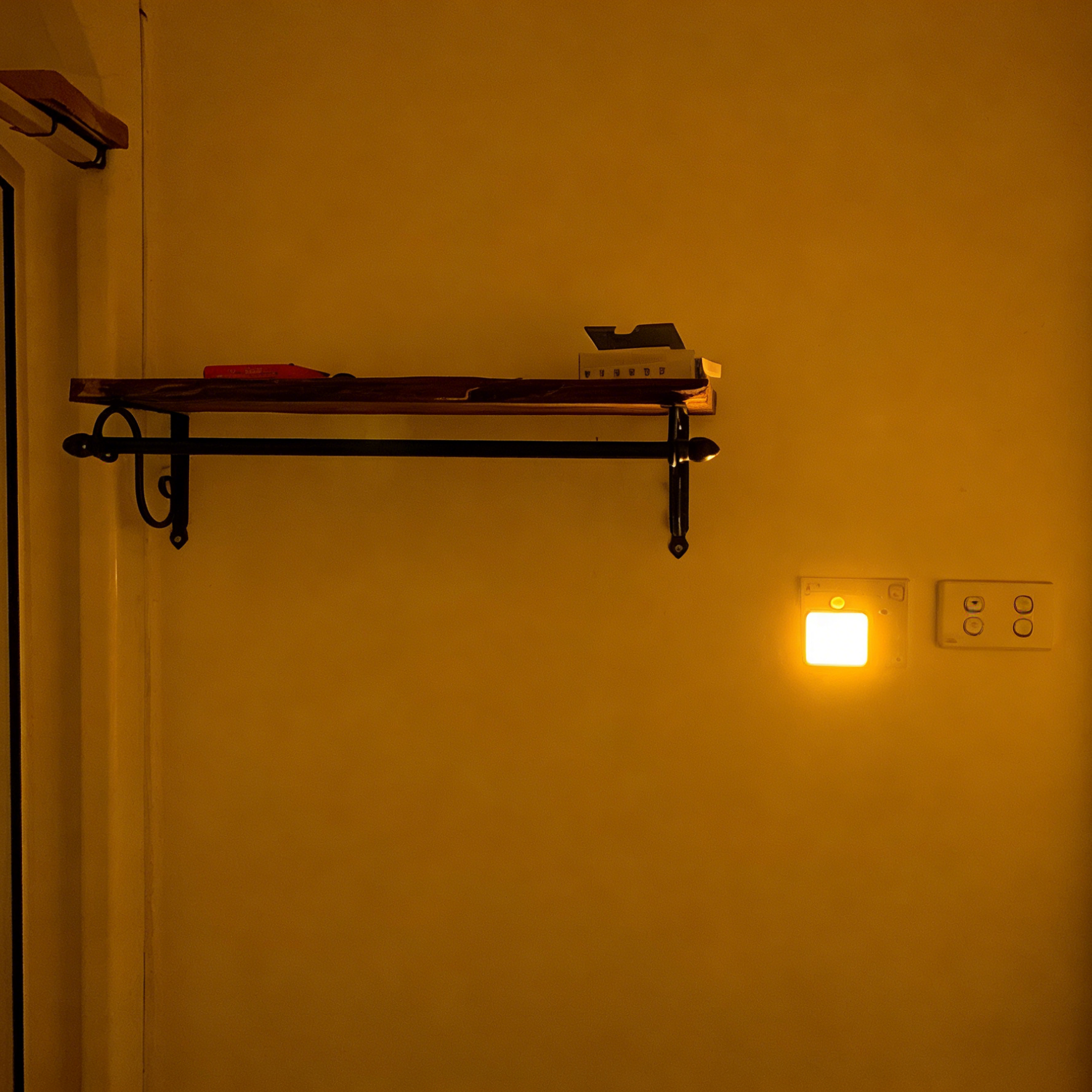
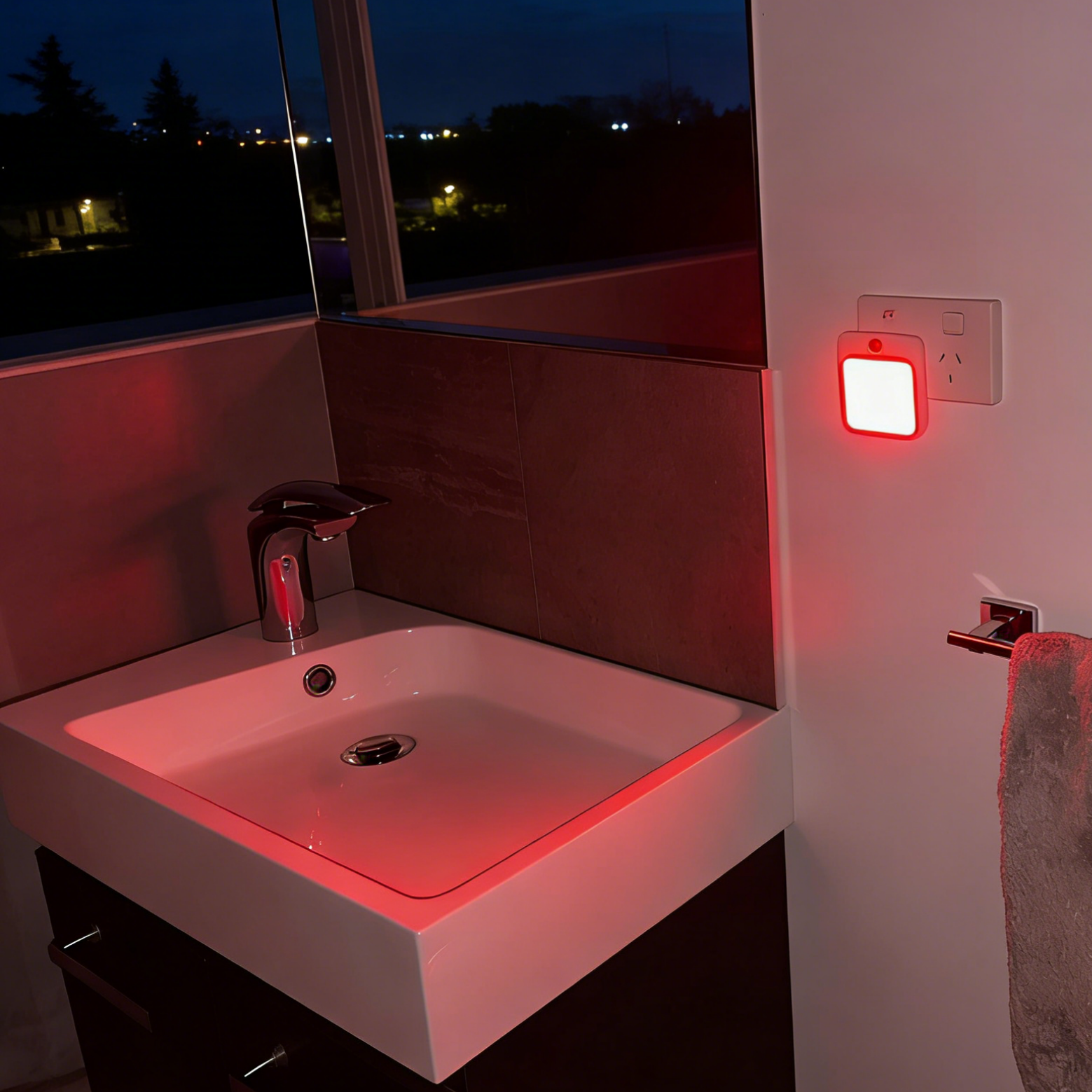
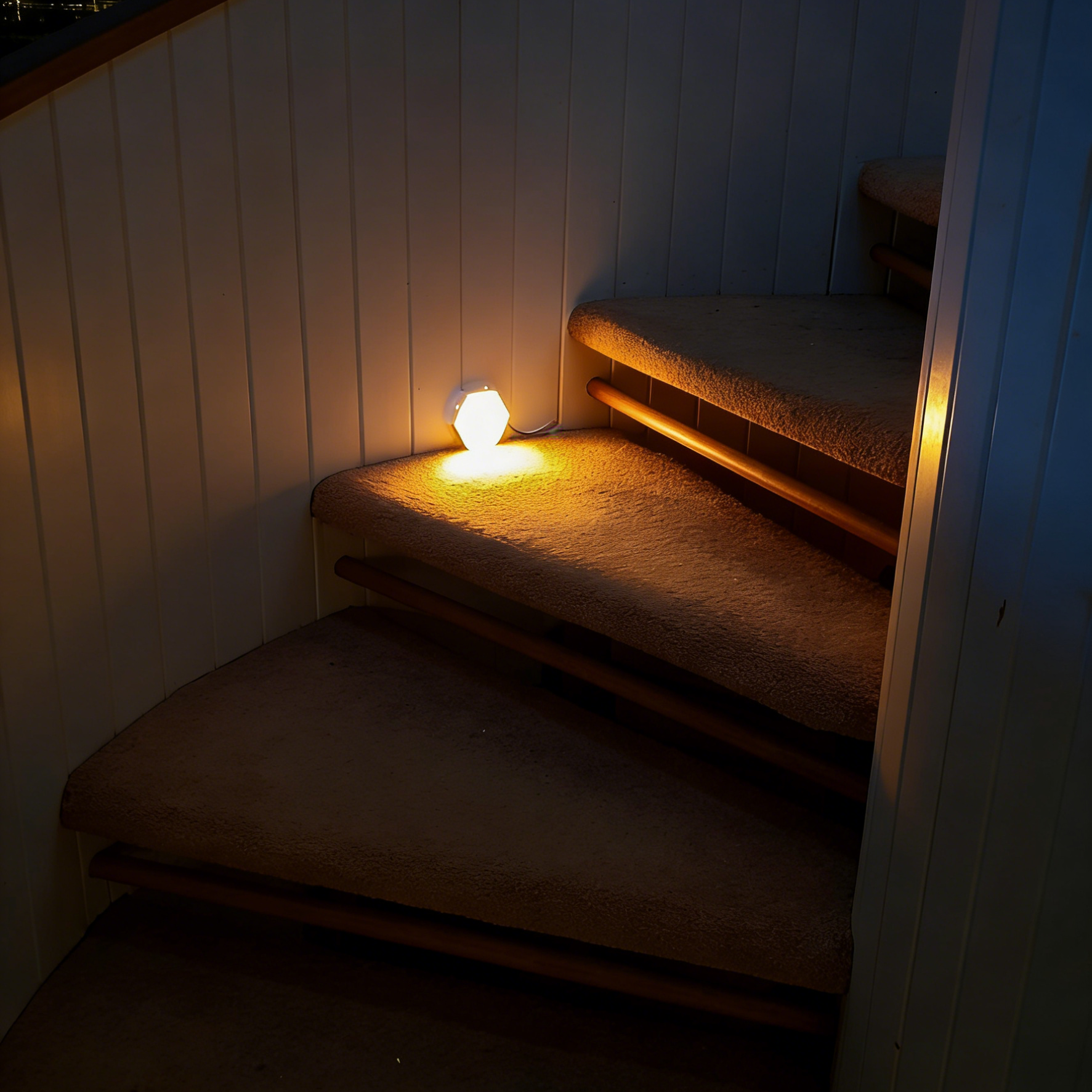
Motion sensor light indoor technology represents a revolutionary advancement in home lighting automation that combines convenience, energy efficiency, and security enhancement. These innovative lighting solutions utilize sophisticated infrared sensors, microwave detection, or dual-technology systems to detect human movement and automatically illuminate spaces when occupancy is detected. The motion sensor light indoor operates through passive infrared technology that responds to heat signatures and movement patterns, ensuring reliable activation when someone enters a room or hallway. Modern motion sensor light indoor systems feature adjustable sensitivity settings, customizable timer durations, and ambient light detection capabilities that prevent unnecessary activation during daylight hours. The technological architecture of motion sensor light indoor units incorporates advanced microprocessors that filter false triggers from pets, moving curtains, or temperature fluctuations, providing accurate human detection while minimizing energy waste. These smart lighting solutions offer multiple installation options, including ceiling-mounted fixtures, wall-mounted units, and portable battery-operated models that require no hardwiring. The motion sensor light indoor technology supports various bulb types, including LED, fluorescent, and incandescent options, with LED integration providing optimal energy savings and extended operational life. Contemporary motion sensor light indoor systems often include smartphone connectivity, allowing users to adjust settings, monitor usage patterns, and receive notifications through dedicated mobile applications. The detection range of motion sensor light indoor devices typically spans from 10 to 30 feet, with coverage angles ranging from 120 to 360 degrees depending on the specific model and installation requirements. Many motion sensor light indoor units feature multiple operating modes, including automatic activation, manual override, and vacation settings that simulate occupancy for enhanced security purposes.

 EN
EN