
 EN
EN



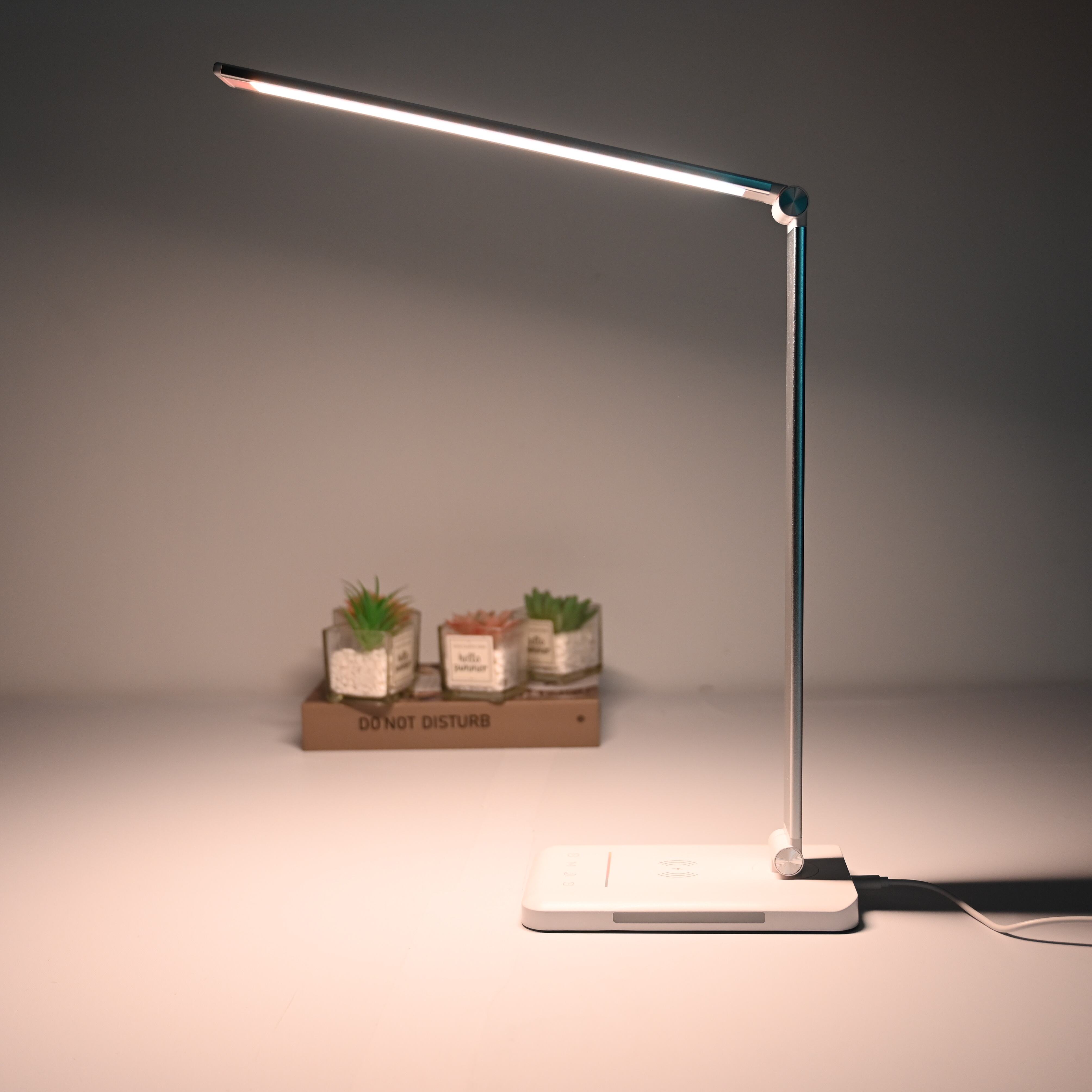
In our modern world, we spend countless hours indoors under artificial lighting that often fails to mimic the natural qualities of sunlight. This disconnect from natural illumination can significantly impact our visual comfort, circadian rhythms, and overall well-being. Full spectrum light represents a revolutionary approach to artificial lighting that closely replicates the complete range of wavelengths found in natural sunlight, offering numerous benefits for both visual performance and biological health.
Understanding the science behind full spectrum light illumination reveals why this technology has become increasingly important in our daily lives. Unlike conventional artificial lighting that produces limited wavelength ranges, full spectrum light encompasses the entire visible spectrum plus beneficial portions of ultraviolet and infrared radiation. This comprehensive approach to lighting design helps bridge the gap between indoor environments and the natural outdoor experience our bodies have evolved to expect.
The human visual system has developed over millennia to function optimally under the broad spectrum of natural sunlight. When we rely solely on traditional incandescent or fluorescent lighting, we deprive ourselves of crucial wavelengths that support various physiological processes. Research continues to demonstrate that exposure to full spectrum light can enhance visual acuity, reduce eye strain, and promote better color discrimination compared to conventional lighting solutions.
Understanding the Science of Full Spectrum Illumination
Spectral Composition and Wavelength Distribution
Full spectrum light technology encompasses wavelengths ranging from approximately 380 to 780 nanometers, covering the entire visible spectrum that human eyes can perceive. This complete range includes violet, blue, green, yellow, orange, and red wavelengths, each contributing unique benefits to visual perception and biological function. The balanced distribution of these wavelengths creates a lighting environment that closely mimics natural daylight conditions.
Advanced full spectrum light systems often extend beyond visible wavelengths to include carefully controlled amounts of near-ultraviolet and near-infrared radiation. These additional spectral components play important roles in various biological processes, including vitamin D synthesis and cellular metabolism. The precise balance of wavelengths in quality full spectrum light products ensures maximum benefit while maintaining safety standards for extended exposure.
Color Rendering Index and Visual Quality
The Color Rendering Index (CRI) serves as a crucial measurement for evaluating how accurately full spectrum light reveals the true colors of objects compared to natural sunlight. High-quality full spectrum light sources typically achieve CRI values of 90 or higher, significantly surpassing conventional lighting options. This superior color rendering capability enhances visual comfort and reduces the strain associated with prolonged indoor activities.
Enhanced color discrimination under full spectrum light conditions benefits numerous professional applications, from graphic design and photography to medical examinations and manufacturing quality control. The improved visual clarity and reduced eye fatigue make full spectrum light particularly valuable for tasks requiring sustained visual attention and color-critical work environments.
Circadian Rhythm Regulation and Sleep Quality
Melatonin Production and Hormonal Balance
The human circadian system relies heavily on light exposure patterns to regulate the production of melatonin, the hormone responsible for controlling sleep-wake cycles. Full spectrum light exposure during appropriate times helps maintain healthy melatonin rhythms by providing the complete range of wavelengths that influence circadian photoreceptors in the eyes. This natural regulation supports better sleep quality and more consistent energy levels throughout the day.
Blue light wavelengths, which are naturally present in full spectrum light, play a particularly important role in suppressing melatonin production during daytime hours. This suppression helps maintain alertness and cognitive function while ensuring that melatonin levels rise appropriately in the evening. The balanced approach of full spectrum light prevents the excessive blue light exposure associated with many LED devices while still providing sufficient circadian stimulation.
Seasonal Affective Patterns and Mood Enhancement
Seasonal Affective Disorder (SAD) and related mood disturbances often result from insufficient exposure to full spectrum light during darker months. Light therapy using full spectrum illumination has proven effective in alleviating symptoms of seasonal depression and maintaining emotional balance throughout the year. The comprehensive wavelength coverage helps stimulate neurotransmitter production and supports overall mental well-being.
Regular exposure to full spectrum light can help maintain consistent serotonin levels, promoting better mood stability and cognitive function. This benefit extends beyond seasonal considerations, as many individuals experience improved emotional well-being when incorporating full spectrum lighting into their daily routines, regardless of the time of year.
Health Benefits and Physiological Impacts
Vitamin D Synthesis and Bone Health
While full spectrum light sources cannot fully replace natural sunlight for vitamin D production, they can contribute to maintaining adequate levels when combined with appropriate supplementation and limited sun exposure. The ultraviolet wavelengths present in some full spectrum light systems support the initial stages of vitamin D synthesis in the skin, though safety considerations limit the intensity of UV output in indoor lighting applications.
The relationship between full spectrum light exposure and calcium absorption demonstrates the interconnected nature of lighting and bone health. Proper lighting conditions support the hormonal processes that regulate calcium metabolism, potentially contributing to stronger bones and reduced risk of osteoporosis over time. This connection highlights the importance of considering lighting quality as part of comprehensive health and wellness strategies.
Eye Health and Visual Development
Extended exposure to poor-quality artificial lighting can contribute to digital eye strain, myopia progression, and other vision-related issues. Full spectrum light provides a more natural visual environment that may help reduce these problems by offering the complete range of wavelengths that support healthy eye function. Research suggests that balanced lighting conditions can slow myopia development in children and reduce eye fatigue in adults.
The anti-inflammatory properties associated with certain wavelengths in full spectrum light may also contribute to overall eye health. By reducing oxidative stress and supporting natural healing processes, quality full spectrum illumination creates conditions that promote long-term visual wellness and may help prevent age-related eye disorders.
Applications in Work and Living Environments
Office and Workplace Implementation
Modern workplaces increasingly recognize the productivity benefits of implementing full spectrum light systems in office environments. Employees working under full spectrum lighting often report improved alertness, reduced fatigue, and enhanced job satisfaction compared to those in conventional lighting conditions. These benefits translate into measurable improvements in work performance and reduced absenteeism due to eye strain and related health issues.
The implementation of full spectrum light in office settings requires careful consideration of light intensity, color temperature variations throughout the day, and individual workspace requirements. Dynamic lighting systems that adjust full spectrum output based on time of day and task requirements represent the cutting edge of workplace illumination technology, supporting both productivity and employee well-being.
Educational and Learning Environments
Educational institutions have begun adopting full spectrum light solutions to create more conducive learning environments for students of all ages. The improved visual clarity and reduced eye strain associated with full spectrum lighting can enhance reading comprehension, reduce behavioral issues, and support better academic performance. These benefits are particularly pronounced in environments where students spend long hours engaged in visually demanding tasks.
The circadian benefits of full spectrum light also play a crucial role in educational settings, helping students maintain appropriate alertness levels throughout the school day. By supporting natural biological rhythms, full spectrum lighting can contribute to better attention spans, improved memory consolidation, and more effective learning outcomes across various subjects and age groups.
Technology Advances and Future Developments
LED Technology and Energy Efficiency
Recent advances in LED technology have made high-quality full spectrum light more accessible and energy-efficient than ever before. Modern full spectrum LED systems can provide complete wavelength coverage while consuming significantly less energy than traditional incandescent or fluorescent alternatives. These improvements have made full spectrum lighting economically viable for both residential and commercial applications.
The development of tunable full spectrum light systems allows users to adjust both intensity and spectral composition throughout the day, mimicking natural sunlight patterns more closely than static lighting solutions. These smart lighting systems can automatically respond to environmental conditions and user preferences, optimizing full spectrum light delivery for maximum benefit while minimizing energy consumption.
Integration with Smart Home Systems
The integration of full spectrum light technology with smart home automation systems represents an exciting frontier in residential lighting. These advanced systems can coordinate full spectrum lighting with other environmental factors such as temperature, humidity, and window treatments to create optimal living conditions throughout the day. Voice control and smartphone apps make it easier than ever to customize full spectrum light settings for different activities and times.
Future developments in full spectrum light technology may include advanced sensors that monitor individual circadian rhythms and automatically adjust lighting conditions to optimize each person's biological clock. These personalized lighting systems could revolutionize how we think about indoor environments and their impact on health and well-being.
FAQ
What makes full spectrum light different from regular LED bulbs
Full spectrum light differs from regular LED bulbs primarily in its complete wavelength coverage that closely mimics natural sunlight. While standard LED bulbs typically emit light in limited wavelength ranges, often with gaps in the spectrum, full spectrum light provides continuous coverage across all visible wavelengths plus beneficial portions of UV and infrared. This comprehensive coverage results in better color rendering, reduced eye strain, and support for natural circadian rhythms that regular LED bulbs cannot provide.
How long should I be exposed to full spectrum light daily
The optimal duration of full spectrum light exposure varies depending on individual needs, time of year, and existing light exposure patterns. Generally, 30 minutes to 2 hours of full spectrum light exposure during morning or early afternoon hours can provide significant circadian benefits. For those using full spectrum light for seasonal mood support, longer exposures of up to 4 hours may be beneficial. It's important to start with shorter exposures and gradually increase duration while monitoring your body's response to avoid overstimulation.
Can full spectrum light help with seasonal depression
Yes, full spectrum light therapy has been clinically proven effective for treating Seasonal Affective Disorder and related mood disturbances. The complete wavelength coverage in full spectrum light helps stimulate neurotransmitter production and regulate circadian rhythms that become disrupted during darker months. Many individuals experience significant improvement in mood, energy levels, and sleep quality when incorporating daily full spectrum light exposure into their routine during fall and winter months. However, individuals with severe symptoms should consult healthcare providers for comprehensive treatment approaches.
Are there any side effects from using full spectrum light
Full spectrum light is generally safe for most people when used appropriately, but some individuals may experience minor side effects initially. These can include mild headaches, eye strain, or slight nausea as the body adjusts to improved lighting conditions. People with certain eye conditions, such as retinal disorders, or those taking photosensitizing medications should consult with healthcare providers before beginning full spectrum light therapy. Starting with shorter exposure periods and gradually increasing duration helps minimize potential side effects while allowing the body to adapt to the enhanced lighting conditions.