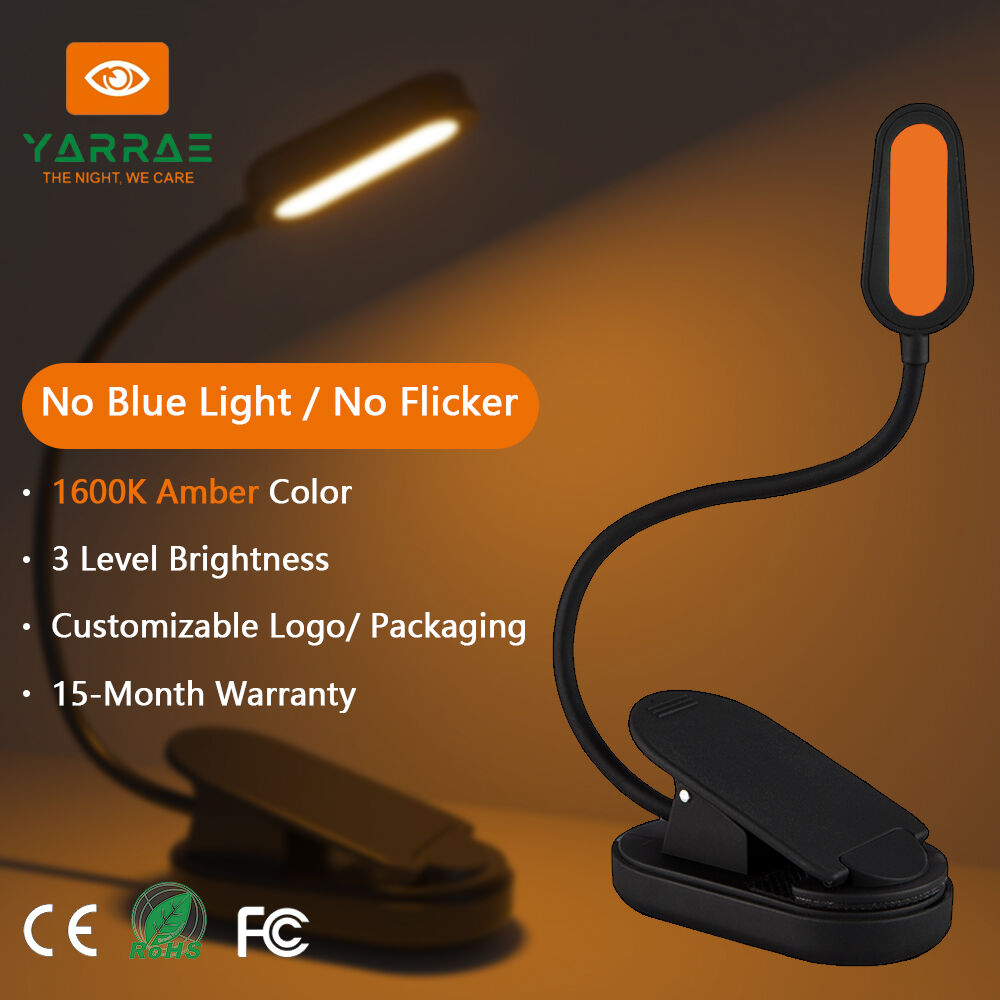
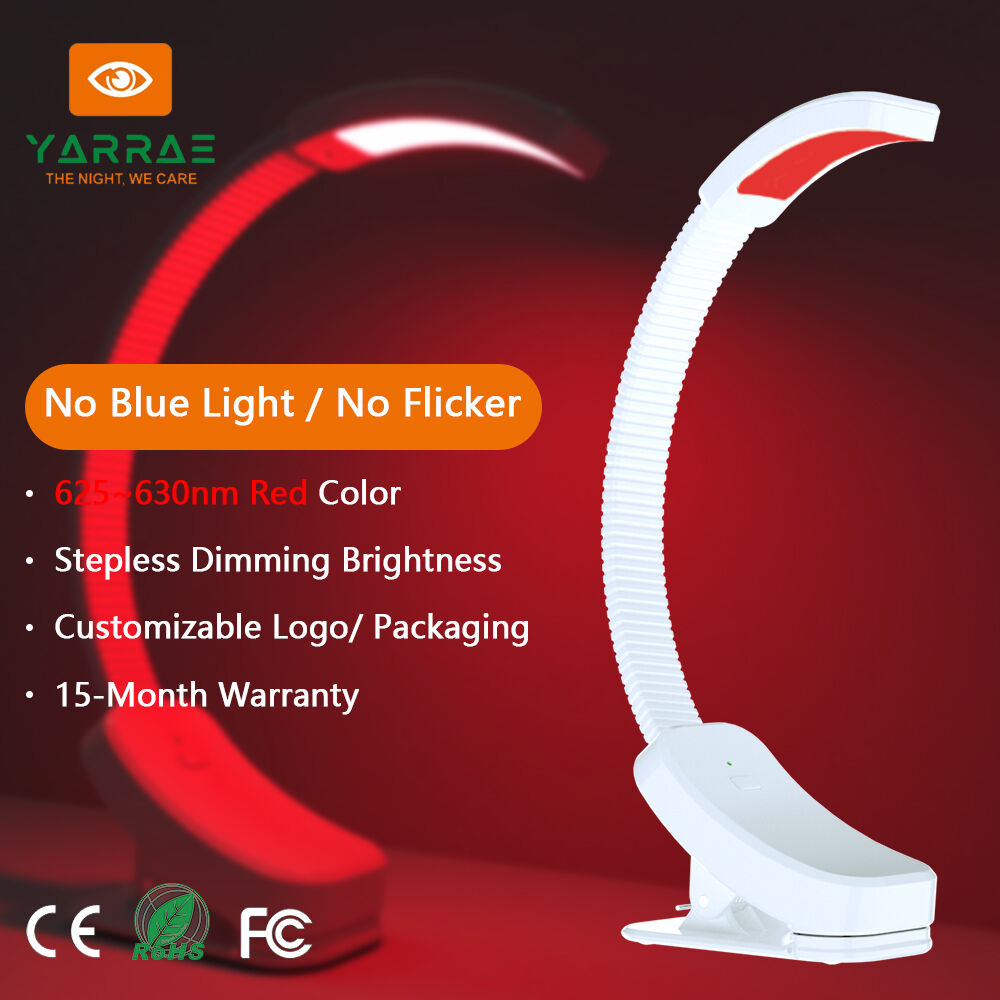
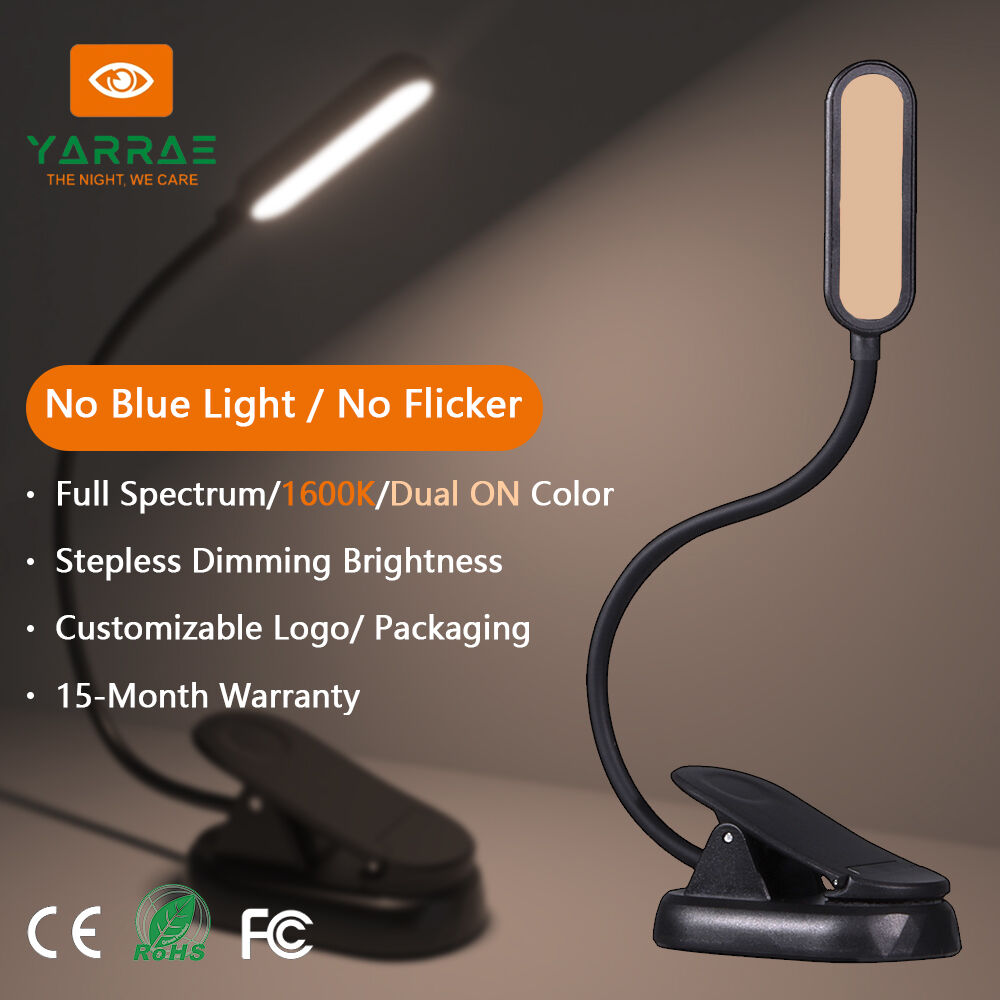
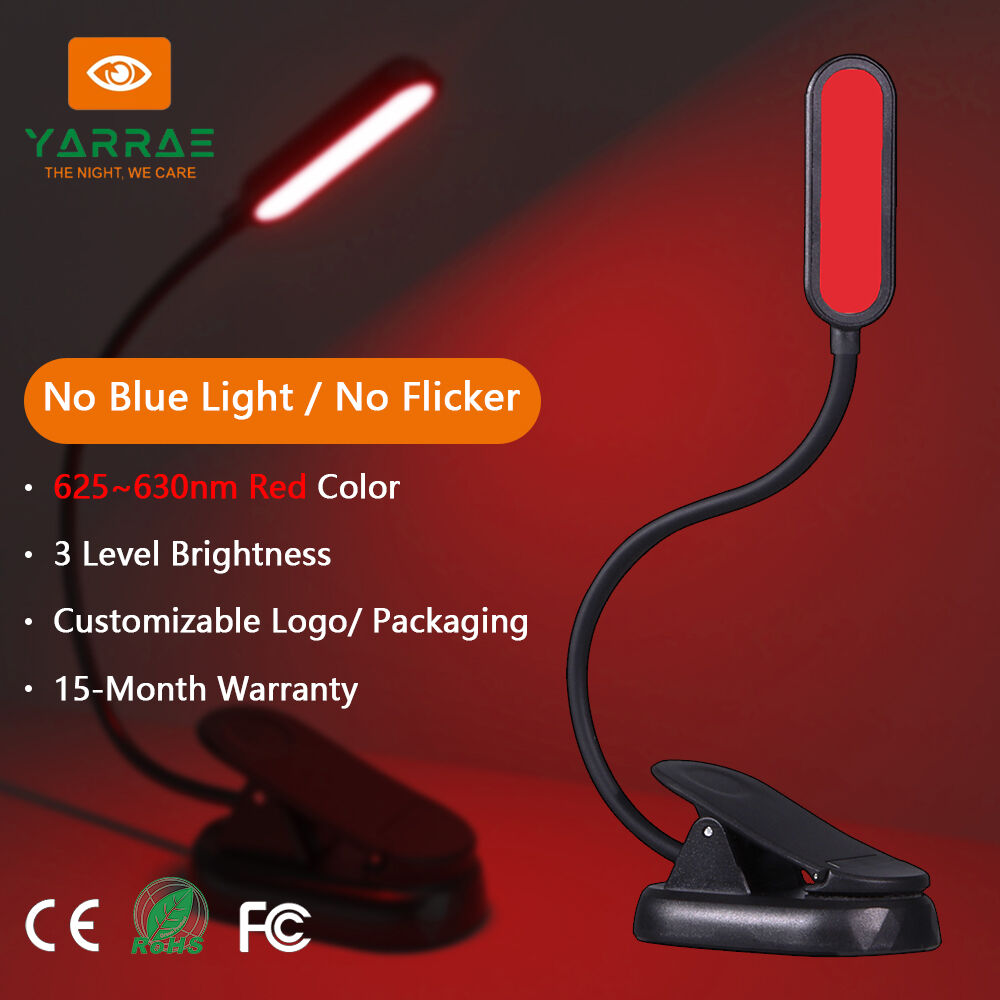
led lighting oem factory
A led lighting oem factory serves as a specialized manufacturing facility that designs, produces, and supplies LED lighting solutions under private label arrangements for businesses worldwide. These factories operate as original equipment manufacturers, creating customized LED products that meet specific client requirements while allowing brands to market these solutions under their own names. The primary function of a led lighting oem factory encompasses comprehensive product development, from initial concept design through final assembly and quality testing. Modern led lighting oem factory facilities integrate advanced technological features including automated production lines, precision molding equipment, and sophisticated quality control systems. These factories utilize cutting-edge LED chip technology, incorporating high-efficiency drivers, thermal management systems, and smart control capabilities into their products. The manufacturing process involves multiple stages including PCB assembly, heat sink fabrication, optical lens formation, and housing construction. Advanced led lighting oem factory operations employ surface mount technology for component placement, ensuring consistent quality and reliability across all products. Applications for led lighting oem factory services span numerous industries including residential lighting, commercial illumination, industrial applications, automotive lighting, and specialty fixtures. These factories produce diverse product categories such as LED bulbs, strip lights, panel lights, street lamps, flood lights, and architectural lighting solutions. The technological infrastructure of a modern led lighting oem factory includes automated testing equipment for photometric analysis, thermal testing chambers, and aging facilities that ensure product longevity. Quality management systems implement strict protocols for incoming material inspection, in-process monitoring, and final product validation. Many led lighting oem factory operations maintain certifications including ISO 9001, UL listing, CE marking, and RoHS compliance, ensuring products meet international safety and performance standards. The factory environment typically features cleanroom conditions for sensitive assembly processes, environmental testing capabilities, and comprehensive packaging facilities that prepare products for global distribution.

 EN
EN