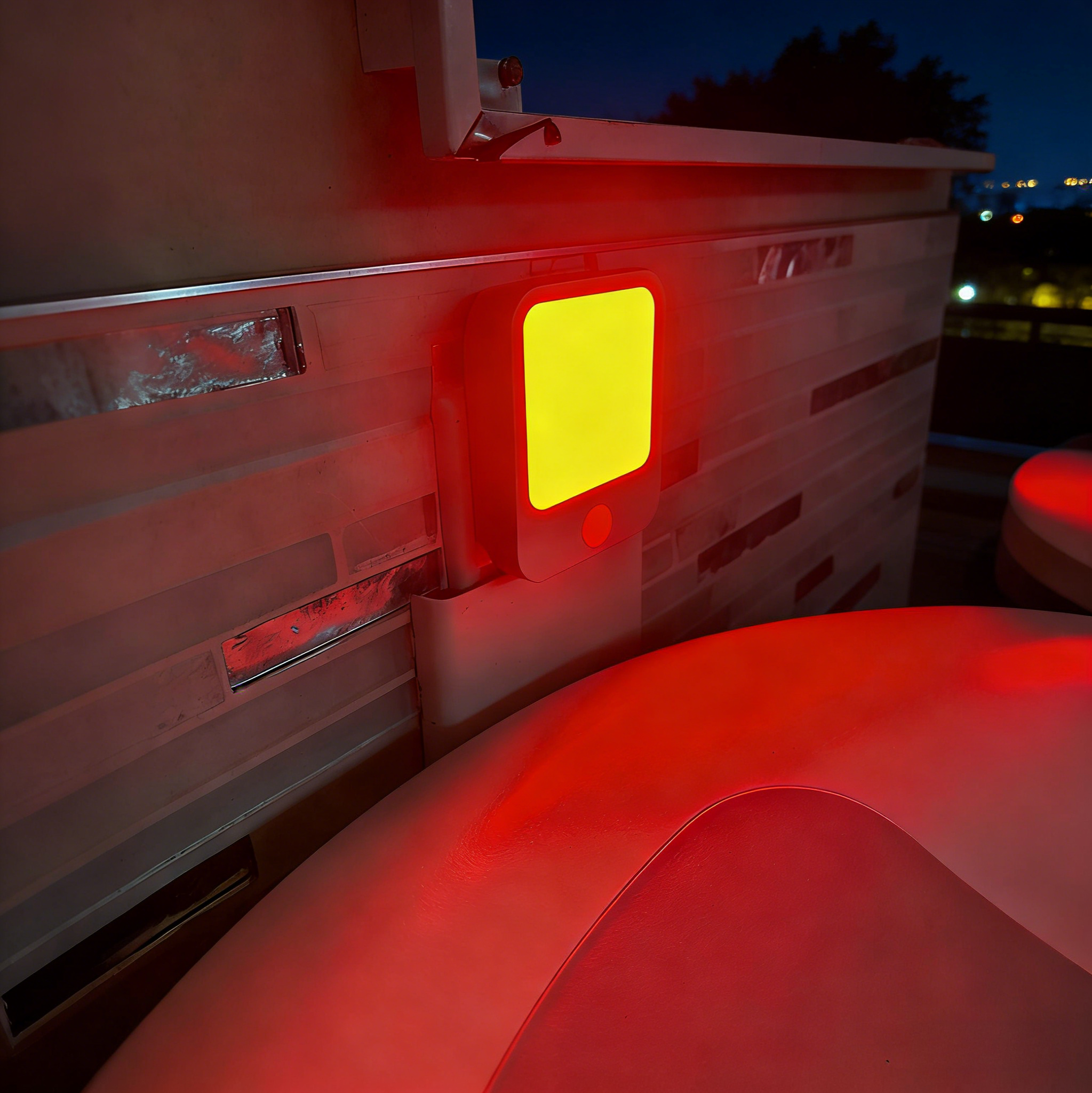
Comprehensive Safety and Durability Design
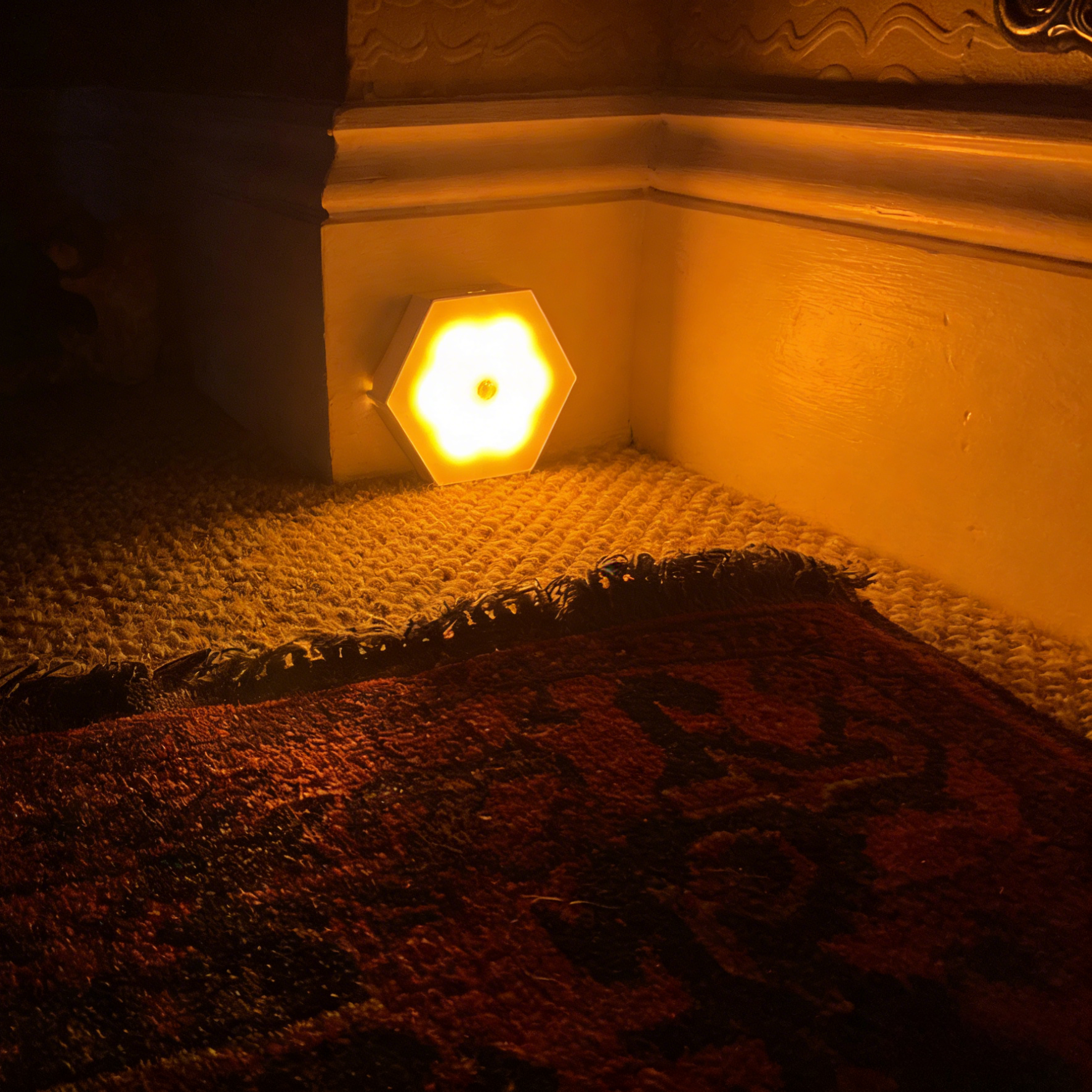
Safety considerations form the cornerstone of baby night light engineering, with manufacturers implementing multiple layers of protection to ensure these devices pose no risk to curious children while providing reliable long-term performance. The construction materials undergo rigorous testing for toxicity, with many models featuring BPA-free plastics, lead-free components, and non-toxic finishes that meet or exceed international safety standards for children's products. Heat management systems prevent surface temperatures from rising above safe levels, even during extended operation periods, eliminating burn risks that could occur if children touch or handle the device. Electrical safety features include low-voltage operation, surge protection, and short-circuit prevention mechanisms that provide multiple fail-safes against potential hazards. The physical design incorporates rounded edges, stable weighted bases, and secure component assembly that prevents small parts from becoming loose and creating choking hazards. Impact resistance testing ensures these devices can withstand typical childhood accidents such as drops, throws, or collisions without breaking into dangerous fragments or exposing internal components. Water resistance capabilities protect against spills, humidity, and cleaning procedures, maintaining safe operation in the moisture-rich environments common in nurseries and children's bedrooms. Cord management features eliminate strangulation risks through retractable designs, magnetic attachments, or completely cordless operation, addressing one of the most significant safety concerns associated with electrical devices in children's spaces. Automatic shut-off functions prevent overheating and conserve energy while providing backup safety measures if other systems fail. The durability aspects extend beyond safety to include long-term reliability, with quality components rated for thousands of hours of continuous operation and robust construction that maintains performance despite daily handling by children. Quality assurance processes include extensive testing protocols that simulate years of typical use, ensuring that safety features remain effective throughout the product's operational lifetime. Child-resistant battery compartments prevent access to power sources while maintaining easy access for parents during routine maintenance, balancing convenience with security in thoughtful design implementations that prioritize child welfare above all other considerations.

 EN
EN