
 EN
EN



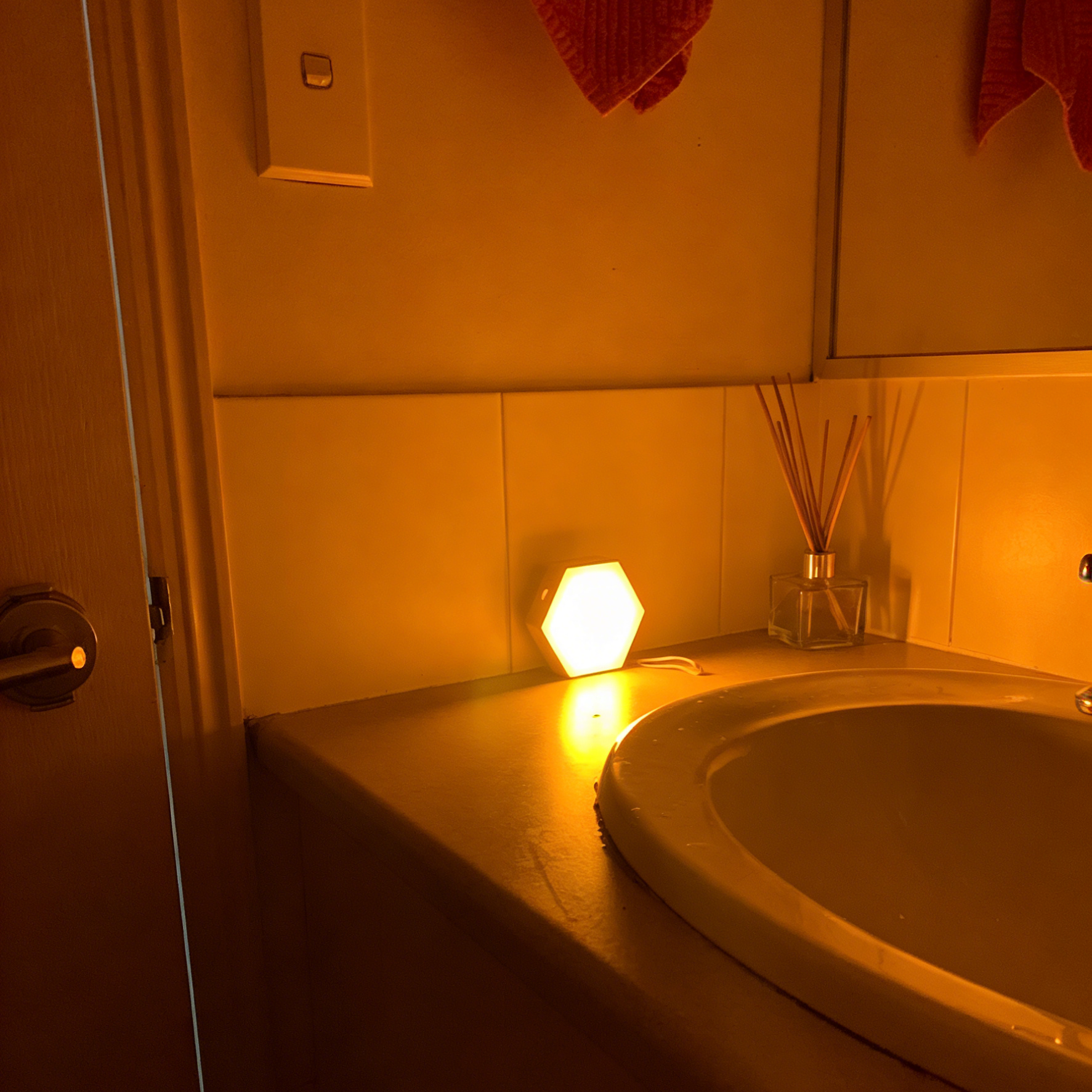
Color temperature options represent one of the most critical specifications in custom table lamp production, directly influencing how lighting affects user comfort, productivity, and overall ambiance. Professional manufacturers must understand that color temperature, measured in Kelvin (K), determines whether a lamp produces warm, neutral, or cool light tones that significantly impact the end-user experience in residential and commercial settings.
The selection of appropriate color temperature options during the manufacturing process affects everything from circadian rhythm support to task-specific performance, making it essential for custom lamp producers to offer versatile temperature ranges that meet diverse client requirements. Understanding which color temperature options deliver maximum value requires examining specific applications, user preferences, and the technical capabilities that enable seamless temperature adjustment in modern lighting solutions.
Essential Color Temperature Ranges for Custom Applications
Warm Light Spectrum Implementation
Warm color temperature options, typically ranging from 2700K to 3000K, remain fundamental in custom table lamp production due to their widespread appeal in residential and hospitality environments. These warmer temperatures create cozy, relaxing atmospheres that complement evening routines and intimate settings, making them particularly valuable for bedroom, living room, and restaurant applications where comfort takes priority over task performance.
Manufacturing custom table lamps with reliable warm color temperature options requires careful LED selection and thermal management to maintain consistent output over extended periods. Professional producers recognize that warm light temperatures must deliver sufficient brightness levels while preserving the characteristic amber-tinted quality that users expect from this spectrum range.
The technical implementation of warm color temperature options involves selecting LED chips with appropriate phosphor coatings that convert blue light wavelengths into the desired warm spectrum. Quality control during production ensures that batch-to-batch consistency maintains the specified Kelvin rating, preventing color variation that could compromise the intended lighting atmosphere across multiple lamp units.
Neutral White Balance Considerations
Neutral color temperature options, spanning approximately 3500K to 4000K, provide versatile lighting solutions that work effectively across diverse applications without the extreme warmth or coolness of other spectrum ranges. This middle-ground approach makes neutral temperatures particularly valuable for custom table lamps intended for multi-purpose environments where lighting needs vary throughout the day.
Custom manufacturers implementing neutral color temperature options must balance the technical requirements for consistent color rendering with the practical demands of various user scenarios. These temperatures offer improved color accuracy compared to warmer options while maintaining sufficient visual comfort for extended use, making them suitable for office environments, study areas, and transitional spaces.
The production process for neutral color temperature options requires precise control over LED binning and driver specifications to ensure that the final output maintains the intended balance between warm and cool characteristics. Quality assurance testing verifies that neutral temperatures provide adequate illumination for both relaxation and productivity tasks without causing eye strain or discomfort during prolonged exposure.
Cool Light Applications and Technical Requirements
High-Performance Cool Temperature Integration
Cool color temperature options, typically ranging from 5000K to 6500K, serve specific applications where enhanced alertness and improved task performance take priority over atmospheric comfort. Custom table lamp production incorporating these temperatures must address the unique technical challenges associated with maintaining consistent cool light output while managing potential blue light exposure concerns.
Professional manufacturing of cool color temperature options requires advanced LED technology capable of delivering high-efficiency cool light without excessive heat generation that could affect lamp longevity or user safety. The selection of appropriate LED packages and thermal management systems ensures that cool temperatures maintain their intended spectrum characteristics throughout the lamp's operational lifetime.
Cool color temperature options prove particularly valuable in custom table lamps designed for office environments, medical facilities, and detailed work applications where accurate color perception and enhanced concentration support productivity goals. The implementation process must consider potential user sensitivity to blue light content while maintaining the performance benefits that make cool temperatures desirable for specific applications.
Circadian Rhythm Support Features
Modern custom table lamp production increasingly incorporates color temperature options that support natural circadian rhythm regulation, recognizing that lighting plays a crucial role in maintaining healthy sleep-wake cycles. These applications require precise control over both temperature range and timing to deliver appropriate light spectra that align with biological needs throughout the day.
The technical implementation of circadian-supporting color temperature options involves sophisticated control systems that can gradually adjust from warmer evening temperatures to cooler daytime spectra based on programmed schedules or user preferences. Custom manufacturers must integrate reliable dimming and color-changing capabilities that maintain consistent performance across the entire temperature range.
Quality circadian rhythm support requires color temperature options that span the full useful spectrum while providing smooth transitions between different settings. The manufacturing process must ensure that electronic components can handle frequent temperature adjustments without degradation, maintaining precise color output throughout the lamp's service life.
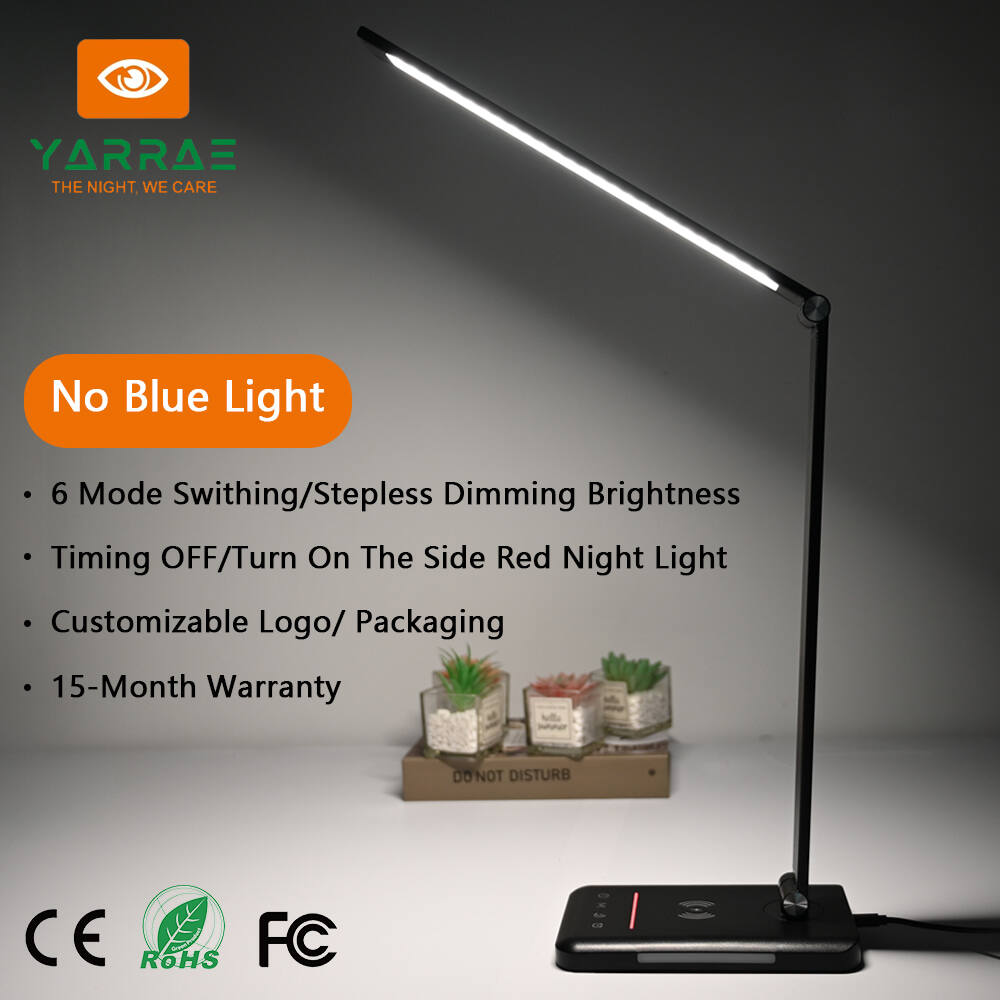
Variable Temperature Control Systems
Advanced Dimming Integration Methods
Variable color temperature options represent the pinnacle of custom table lamp functionality, enabling users to adjust both brightness and color characteristics according to immediate needs and preferences. The integration of variable temperature control requires sophisticated electronic systems that can manage multiple LED channels while maintaining consistent performance across all adjustment ranges.
Custom manufacturers implementing variable color temperature options must address the complex interaction between dimming levels and color consistency, ensuring that temperature adjustments remain accurate regardless of brightness settings. This technical challenge requires precise driver design and LED selection that maintains color quality throughout the entire adjustment spectrum.
The production of variable color temperature options involves extensive testing to verify that control systems respond accurately to user inputs while preventing color drift or inconsistency during adjustment processes. Quality control procedures must validate performance across all possible temperature and brightness combinations to ensure reliable operation in real-world applications.
Smart Control Interface Development
Modern color temperature options increasingly incorporate smart control capabilities that enable remote adjustment through smartphone applications or voice control systems. Custom table lamp production must consider the integration requirements for wireless connectivity while maintaining the core lighting performance that defines quality temperature control systems.
The development of smart-enabled color temperature options requires careful consideration of user interface design, ensuring that temperature adjustments remain intuitive and responsive while providing access to advanced features like preset modes and automated scheduling. Manufacturing processes must accommodate additional electronic components without compromising lamp aesthetics or reliability.
Smart color temperature options enable features like automatic adjustment based on time of day or ambient light conditions, requiring sensors and processing capability that can make intelligent decisions about appropriate temperature settings. The production process must ensure that these advanced features enhance rather than complicate the basic functionality that users expect from quality table lamps.
Application-Specific Temperature Selection Strategies
Hospitality and Commercial Requirements
Commercial applications for custom table lamps require carefully selected color temperature options that support specific business objectives while maintaining guest or user comfort throughout extended periods. Hotels, restaurants, and office environments each present unique requirements that influence the optimal temperature range selection during the production planning process.
Hospitality environments typically favor warmer color temperature options that create welcoming atmospheres while providing adequate task lighting for reading and work activities. Custom manufacturers must balance these competing requirements, often implementing variable temperature systems that enable property managers to adjust lighting characteristics based on time of day or specific event needs.
Commercial color temperature options must also consider maintenance requirements and operational costs, as properties with multiple custom table lamps benefit from consistent temperature specifications that simplify replacement and servicing procedures. The production process should prioritize long-term reliability and standardized specifications that support efficient facility management.
Residential Customization Priorities
Residential applications for custom table lamps present different color temperature requirements compared to commercial environments, with individual user preferences playing a larger role in determining optimal temperature selections. Home environments benefit from flexible color temperature options that can adapt to various activities and personal comfort preferences throughout different times of day.
Custom residential table lamp production often emphasizes variable color temperature options that enable homeowners to create specific moods or support different activities without requiring multiple fixtures. This flexibility proves particularly valuable in multipurpose rooms where lighting needs change based on whether the space is used for relaxation, work, or entertainment activities.
The manufacturing approach for residential color temperature options should prioritize user-friendly controls and reliable performance over extended periods, recognizing that homeowners expect consistent operation without frequent adjustment or maintenance requirements. Quality production processes ensure that temperature controls remain responsive and accurate throughout years of regular use.
FAQ
What color temperature range provides the most versatility in custom table lamp applications?
Variable color temperature options spanning 2700K to 6500K offer maximum versatility for custom table lamp applications, enabling users to adjust from warm, relaxing light for evening use to cool, energizing light for daytime tasks. This full-spectrum approach accommodates diverse user needs and application requirements without requiring multiple fixtures.
How do color temperature options affect LED lifespan and reliability in custom table lamps?
Well-implemented color temperature options using quality LED technology typically maintain consistent performance for 25,000 to 50,000 hours of operation. The key factors affecting lifespan include proper thermal management, quality driver electronics, and LED selection that matches the intended temperature range without excessive stress on the semiconductor components.
Can color temperature options be retrofit into existing custom table lamp designs?
Retrofitting color temperature options into existing designs depends on the available space for additional electronics and the lamp's current power supply capacity. Simple temperature control requires replacing the LED module and driver, while variable temperature systems need additional control circuits and may require significant modifications to the lamp's internal structure.
What factors determine the optimal color temperature selection for specific industries?
Industry-specific color temperature selection considers task requirements, user comfort needs, and operational schedules. Healthcare environments often prefer neutral to cool temperatures for accuracy, hospitality sectors favor warm temperatures for ambiance, while office applications benefit from variable options that support both productivity and comfort throughout the workday.
Table of Contents
- Essential Color Temperature Ranges for Custom Applications
- Cool Light Applications and Technical Requirements
- Variable Temperature Control Systems
- Application-Specific Temperature Selection Strategies
-
FAQ
- What color temperature range provides the most versatility in custom table lamp applications?
- How do color temperature options affect LED lifespan and reliability in custom table lamps?
- Can color temperature options be retrofit into existing custom table lamp designs?
- What factors determine the optimal color temperature selection for specific industries?