
 EN
EN



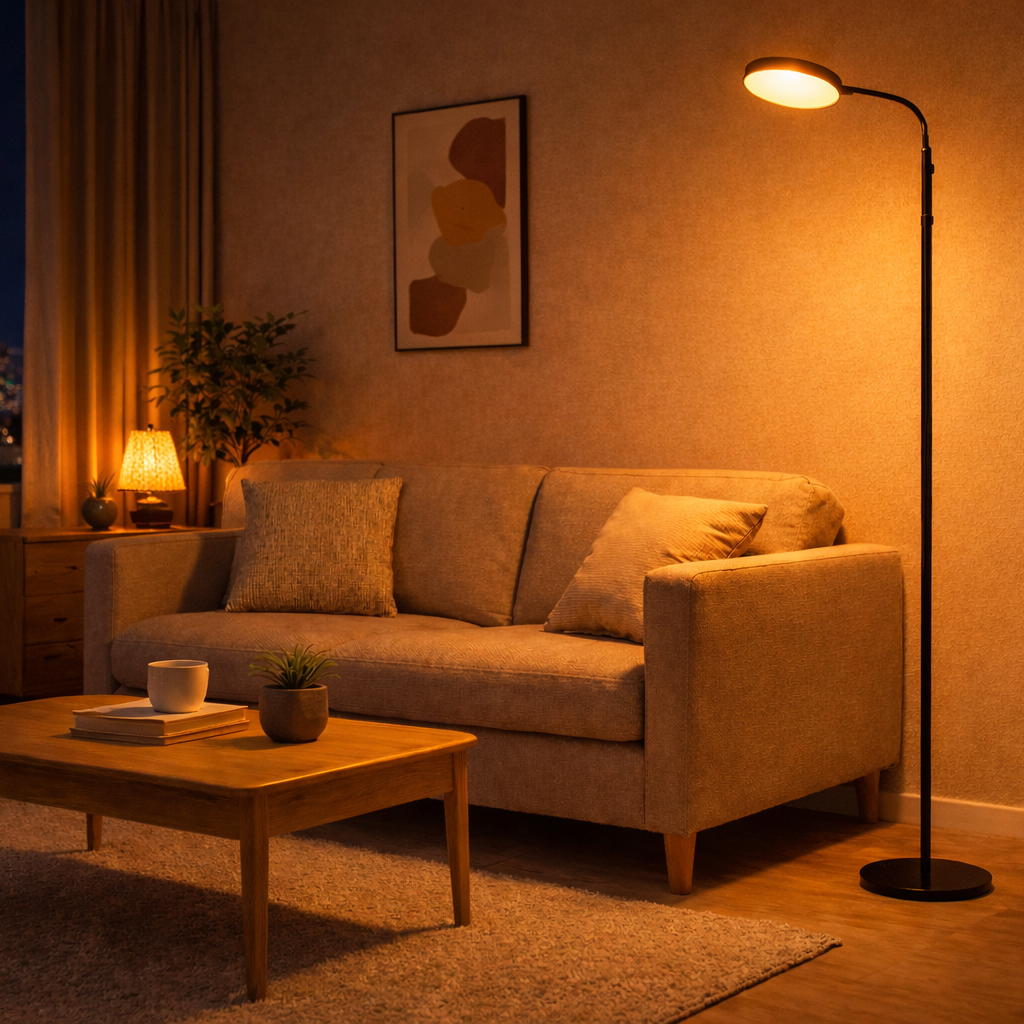
Full spectrum light represents a comprehensive approach to illumination that closely mimics natural sunlight by providing a complete range of wavelengths across the visible light spectrum. Unlike conventional lighting solutions that may emphasize certain color temperatures while neglecting others, full spectrum light delivers balanced wavelengths from violet to red, creating an optimal lighting environment that supports both visual comfort and biological well-being. This technology has gained significant attention in professional and residential applications where lighting quality directly impacts productivity, health, and overall user experience.
Understanding full spectrum light becomes essential when considering the profound effects that lighting quality has on human physiology and performance. Traditional lighting technologies often produce uneven spectral distributions that can lead to eye strain, circadian rhythm disruption, and reduced color perception accuracy. Full spectrum light addresses these limitations by providing wavelengths that support natural biological processes while delivering superior visual clarity and comfort across various applications and environments.
The Science Behind Full Spectrum Light Technology
Spectral Distribution and Wavelength Coverage
Full spectrum light technology operates by delivering electromagnetic radiation across wavelengths ranging from approximately 380 to 750 nanometers, covering the entire visible light spectrum that human eyes can perceive. This comprehensive wavelength coverage ensures that all colors appear natural and vibrant, while supporting the complex photoreceptor systems in human eyes that have evolved to function optimally under natural sunlight conditions. The spectral distribution in quality full spectrum light sources maintains relatively even energy output across different wavelengths, avoiding the pronounced peaks and valleys characteristic of conventional fluorescent or basic LED lighting systems.
Advanced full spectrum light systems utilize sophisticated phosphor combinations and LED chip technologies to achieve smooth spectral curves that closely approximate the continuous spectrum of natural daylight. This technical approach ensures that blue, green, and red wavelengths receive adequate representation while incorporating subtle variations in violet and orange regions that contribute to overall spectral completeness. The resulting light output provides superior color rendering capabilities and supports visual tasks that require accurate color discrimination and enhanced contrast perception.
Biological Photoreceptor Response
Human eyes contain multiple types of photoreceptors that respond differently to various wavelengths within the full spectrum light range, making comprehensive spectral coverage essential for optimal visual function. Rod cells primarily handle low-light vision and respond most strongly to blue-green wavelengths around 498 nanometers, while cone cells provide color vision through three distinct types that peak at approximately 420, 534, and 564 nanometers respectively. Full spectrum light ensures that all photoreceptor types receive appropriate stimulation, supporting both conscious visual perception and unconscious biological processes that depend on light exposure.
Recent research has identified additional photoreceptor cells called intrinsically photosensitive retinal ganglion cells that play crucial roles in circadian rhythm regulation and respond most strongly to blue light wavelengths around 480 nanometers. These specialized cells require consistent exposure to full spectrum light patterns that vary throughout the day to maintain healthy sleep-wake cycles and hormone production. Quality full spectrum light systems consider these biological requirements when designing spectral output characteristics and intensity modulation capabilities.
Health Benefits and Physiological Impacts
Circadian Rhythm Support and Sleep Quality
Full spectrum light plays a fundamental role in maintaining healthy circadian rhythms by providing the spectral cues that human biological systems have evolved to recognize as natural daylight patterns. Exposure to full spectrum light during appropriate times helps regulate melatonin production, cortisol release, and body temperature fluctuations that collectively control sleep-wake cycles and overall physiological timing. Studies have demonstrated that individuals using full spectrum light systems experience improved sleep onset, deeper sleep phases, and more consistent sleep schedules compared to those relying on conventional lighting technologies.
The timing and intensity of full spectrum light exposure significantly influence circadian rhythm entrainment, with morning exposure to bright full spectrum light helping to establish proper phase relationships between internal biological clocks and external environmental cycles. Evening exposure to warmer portions of the full spectrum, while avoiding excessive blue light content, supports natural melatonin production and sleep preparation processes. This temporal modulation of spectral content represents a key advantage of sophisticated full spectrum light systems over static lighting solutions that cannot adapt to changing biological needs throughout the day.
Visual Comfort and Eye Strain Reduction
Full spectrum light significantly reduces eye strain and visual fatigue by providing balanced illumination that supports natural accommodation and focusing mechanisms within human eyes. Unlike lighting systems that emphasize specific wavelengths while neglecting others, full spectrum light ensures that all visual processing systems receive appropriate stimulation without overstimulation of particular photoreceptor types. This balanced approach minimizes the compensatory mechanisms that eyes must employ when working under spectrally deficient lighting, resulting in reduced tension in ciliary muscles and decreased overall visual system stress.
The superior color rendering capabilities of full spectrum light also contribute to visual comfort by eliminating the subtle color distortions that can cause subconscious visual stress and difficulty with color-dependent tasks. When objects appear in their natural colors under full spectrum light, visual processing systems can operate more efficiently without expending additional neural resources to compensate for chromatic inaccuracies. This efficiency improvement becomes particularly important during extended periods of visual work, where cumulative eye strain can significantly impact productivity and comfort levels.
Applications and Implementation Strategies
Professional and Educational Environments
Professional environments benefit significantly from full spectrum light implementation, particularly in offices, educational facilities, and healthcare settings where visual performance and occupant well-being directly impact productivity and outcomes. Full spectrum light systems in office environments have been shown to improve concentration levels, reduce afternoon drowsiness, and enhance overall job satisfaction among workers who spend significant portions of their day under artificial lighting. The consistent spectral quality helps maintain alertness throughout standard working hours while supporting natural energy patterns that align with biological expectations.
Educational applications of full spectrum light demonstrate particular value in classrooms and learning environments where visual attention and cognitive performance are critical factors in student success. Research indicates that students working under full spectrum light systems show improved reading comprehension, enhanced color discrimination abilities, and reduced behavioral disruptions compared to those in conventional lighting environments. The technology proves especially beneficial in windowless classrooms or facilities with limited natural light access, where artificial lighting must serve as the primary illumination source for extended periods.
Residential and Personal Use Scenarios
Residential applications of full spectrum light technology focus primarily on areas where occupants spend considerable time engaged in visually demanding activities or where lighting quality affects daily routines and comfort levels. Kitchen and dining areas benefit from full spectrum light through improved food appearance and color accuracy during meal preparation and consumption, while home offices and study areas see enhanced productivity and reduced eye strain during computer work or reading tasks. The technology becomes particularly valuable in homes with limited natural light exposure due to architectural constraints or geographic location factors.
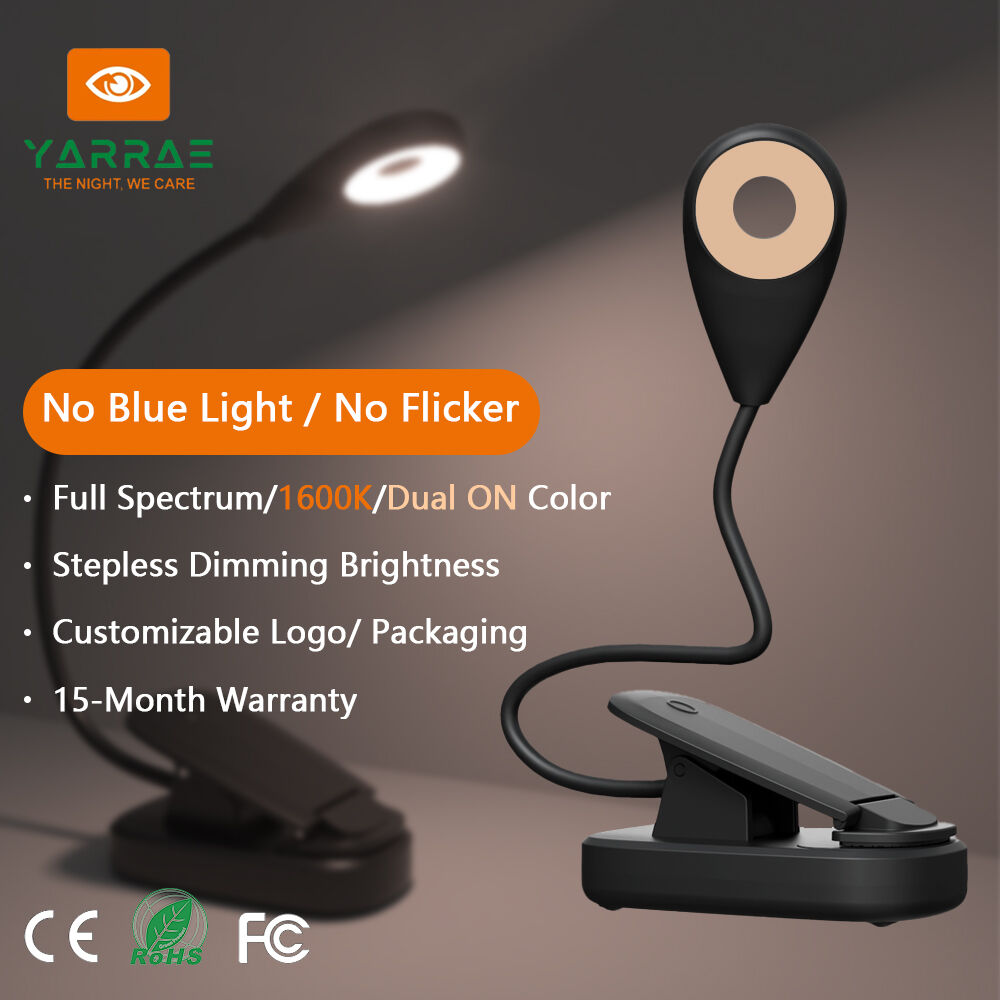
Personal lighting devices utilizing full spectrum light technology offer portable solutions for individuals who require high-quality illumination in various settings or during travel situations. These applications include reading lights, desk lamps, and task-specific lighting tools that deliver full spectrum benefits without requiring permanent installation or extensive electrical modifications. The compact nature of modern full spectrum light sources enables integration into personal lighting devices while maintaining spectral quality and energy efficiency standards appropriate for extended daily use.
Technical Considerations and Selection Criteria
Color Rendering Index and Spectral Metrics
Evaluating full spectrum light quality requires understanding several technical metrics that quantify spectral performance and color rendering capabilities beyond basic luminous output measurements. The Color Rendering Index (CRI) provides a standardized method for assessing how accurately light sources reproduce colors compared to natural daylight, with high-quality full spectrum light systems typically achieving CRI values of 90 or higher across multiple color samples. However, CRI alone may not fully capture the benefits of full spectrum light technology, as this metric focuses primarily on color accuracy rather than spectral completeness or biological effects.
Advanced spectral metrics such as the Spectral Similarity Index (SSI) and melanopic ratios provide more comprehensive assessments of full spectrum light quality by evaluating spectral distribution patterns and their potential impacts on human circadian systems. These newer measurement approaches recognize that full spectrum light effectiveness depends not only on color rendering accuracy but also on appropriate representation of wavelengths that influence biological processes and visual comfort. Selection of full spectrum light systems should consider multiple spectral quality metrics to ensure optimal performance across both visual and physiological requirements.
Energy Efficiency and Longevity Factors
Modern full spectrum light technologies achieve impressive energy efficiency levels while maintaining spectral quality, making them economically viable alternatives to conventional lighting solutions over long-term operational periods. LED-based full spectrum light systems typically consume 60-80% less energy than equivalent halogen or incandescent sources while providing superior spectral coverage and longer operational lifespans. The initial investment in quality full spectrum light technology often results in significant energy cost savings and reduced maintenance requirements compared to traditional lighting approaches that require frequent bulb replacements and higher ongoing electrical consumption.
Longevity considerations for full spectrum light systems extend beyond simple operational hours to include spectral stability over time and gradual degradation patterns that may affect light quality even when total light output remains adequate. Quality full spectrum light products maintain consistent spectral characteristics throughout their rated lifespans, ensuring that color rendering and biological benefits remain stable rather than shifting toward particular wavelengths as aging occurs. This spectral stability represents a crucial factor in applications where consistent full spectrum light quality is essential for ongoing health benefits and visual performance requirements.
FAQ
How does full spectrum light differ from regular LED lighting?
Full spectrum light provides a complete range of wavelengths across the visible spectrum similar to natural sunlight, while regular LED lighting often emphasizes specific wavelengths and may lack representation in certain spectral regions. Regular LEDs typically produce light with pronounced peaks in blue and yellow regions while showing deficiencies in red and violet wavelengths, leading to poor color rendering and potential circadian rhythm disruption. Full spectrum light systems utilize advanced phosphor combinations and multiple LED chips to create smooth, continuous spectral distributions that support both visual tasks and biological processes more effectively than conventional LED products.
Can full spectrum light help with seasonal affective disorder?
Full spectrum light can potentially help manage seasonal affective disorder symptoms by providing the broad-spectrum illumination that supports healthy circadian rhythm regulation and mood-related neurotransmitter production. The comprehensive wavelength coverage in full spectrum light systems more closely approximates natural sunlight exposure, which becomes limited during winter months in many geographic regions. However, individuals considering full spectrum light therapy for seasonal affective disorder should consult with healthcare professionals to determine appropriate light intensities, exposure durations, and timing protocols that align with their specific needs and medical history.
What color temperature should I look for in full spectrum lighting?
Full spectrum light systems are available in various color temperatures ranging from warm 3000K to cool 6500K options, with the optimal choice depending on intended applications and personal preferences rather than spectral completeness alone. Unlike conventional lighting where color temperature primarily affects the blue-to-red ratio, full spectrum light maintains comprehensive wavelength coverage across different color temperatures while adjusting the overall warmth or coolness of the light appearance. Many users prefer 4000K to 5000K color temperatures for general applications as these provide balanced warmth and alertness support, though tunable systems offer the flexibility to adjust color temperature throughout the day while maintaining full spectrum characteristics.
Is full spectrum lighting more expensive than traditional options?
Full spectrum lighting typically requires higher initial investment costs compared to basic fluorescent or standard LED options, but the total cost of ownership often favors full spectrum systems when considering energy efficiency, longevity, and health benefits over extended periods. Quality full spectrum light products may cost 20-50% more than equivalent conventional lighting solutions initially, but their superior energy efficiency and longer operational lifespans frequently result in lower overall costs within 2-3 years of operation. Additionally, the potential health and productivity benefits associated with full spectrum light exposure may provide indirect economic value that justifies the incremental investment for many users and organizations prioritizing lighting quality.