
 EN


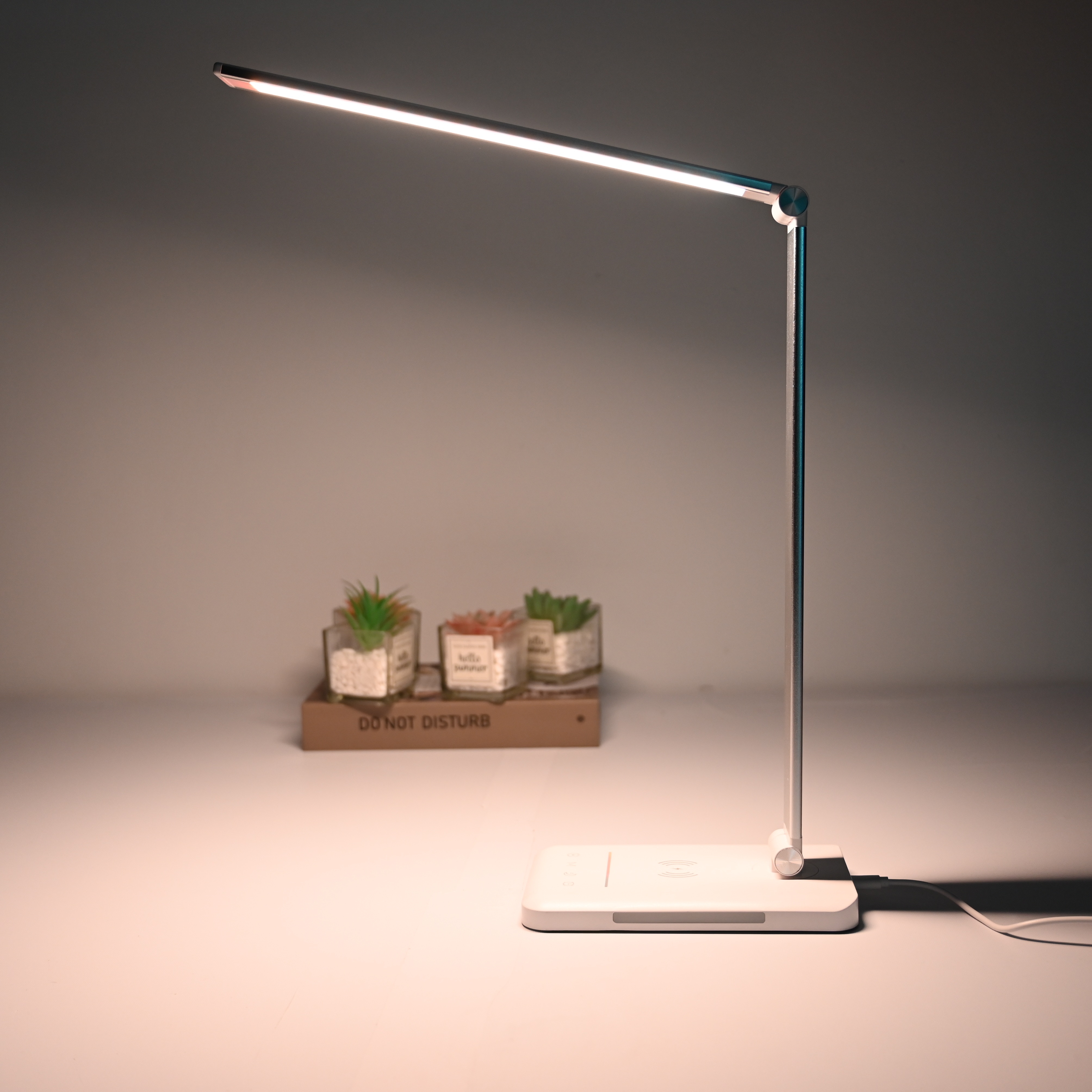
The relationship between full spectrum light and circadian rhythm balance has become increasingly important in modern wellness discussions. Many people spend their days under artificial lighting that fails to replicate the natural light spectrum our bodies evolved to respond to. Full spectrum light mimics the complete range of wavelengths present in natural sunlight, and scientific evidence suggests it plays a meaningful role in supporting the body's internal clock. Understanding whether full spectrum light truly supports natural circadian rhythm balance requires examining both the biological mechanisms at work and practical implementation.
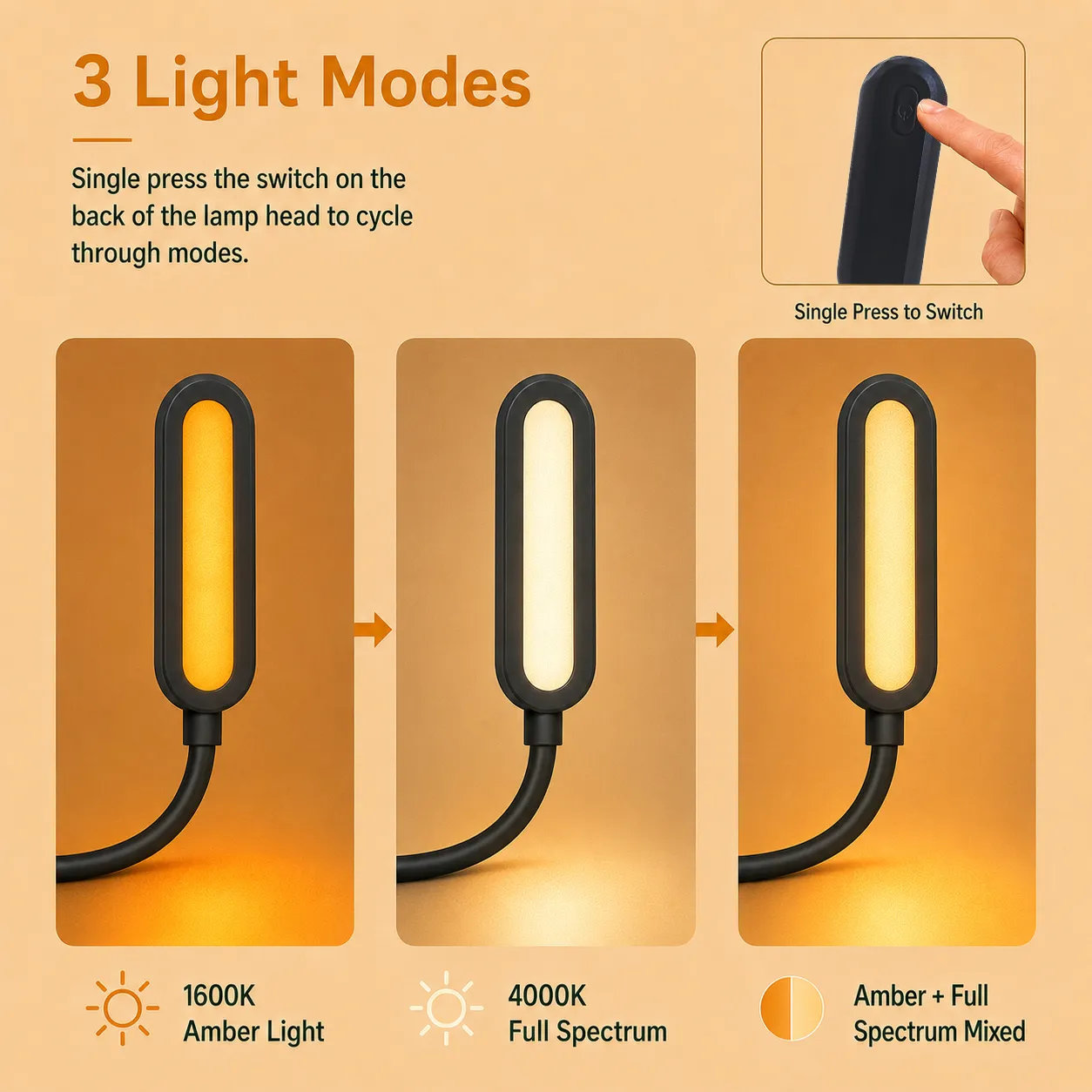
Full spectrum light provides wavelengths across the visible spectrum, including blue light that is particularly important for circadian regulation. When your eyes receive full spectrum light exposure during daytime hours, it sends signals to your brain that influence melatonin production, cortisol levels, and overall sleep-wake timing. The question of whether full spectrum light genuinely supports circadian rhythm balance cannot be answered with a simple yes or no—instead, the answer depends on timing, intensity, duration, and individual factors that determine how effectively full spectrum light influences your internal clock.
How Full Spectrum Light Influences Circadian Regulation
The Role of Blue Wavelengths in Circadian Signaling
Full spectrum light contains significant blue wavelengths, which are the most powerful stimulators of circadian rhythm adjustment. Photoreceptors in your retina called intrinsically photosensitive retinal ganglion cells detect blue light specifically and communicate directly with the suprachiasmatic nucleus, your brain's master circadian clock. This direct pathway means that full spectrum light can influence your circadian rhythm more effectively than narrow-spectrum artificial lighting. The presence of blue wavelengths in full spectrum light acts as a powerful zeitgeber—a time-giver signal that helps synchronize your internal clock to the external environment.
Research has demonstrated that exposure to full spectrum light containing adequate blue wavelengths promotes greater alertness during daytime hours and supports melatonin suppression when you need it most. Full spectrum light during morning and afternoon hours sends a clear biological signal that it is time to be awake, energized, and ready for activity. This circadian alignment through full spectrum light exposure can create cascading benefits for sleep quality, hormone regulation, and overall wellness, provided the timing and intensity align with your natural sleep-wake schedule.
Spectral Completeness and Circadian Response
The completeness of the spectrum matters significantly for circadian rhythm support. While blue wavelengths are critical, full spectrum light that includes the complete visible range—from red through violet—provides a more biologically accurate signal than incomplete artificial sources. Full spectrum light that covers wavelengths from 380 to 700 nanometers more closely mimics natural sunlight, which is what your circadian system evolved to recognize. This spectral completeness helps your body distinguish between daytime and nighttime conditions, strengthening circadian alignment over time.
Full spectrum light sources with consistent color temperature throughout the day support more stable circadian responses than variable or narrow-spectrum alternatives. When you use full spectrum light consistently, your circadian rhythm becomes more reliable in its timing, sleep onset occurs more naturally, and wake times become more predictable. The quality of full spectrum light matters as much as its presence—poor-quality sources may provide some wavelengths while missing others, reducing their effectiveness in supporting true circadian balance.
Practical Implementation of Full Spectrum Light for Circadian Support
Timing and Intensity Requirements
To effectively support your circadian rhythm, full spectrum light exposure must occur at strategically important times. Early morning exposure to full spectrum light provides the strongest circadian reset signal, helping establish a consistent wake time and promoting earlier melatonin onset at night. A minimum of 20 to 30 minutes of full spectrum light exposure within the first hour of waking can produce measurable effects on circadian timing. Higher intensity full spectrum light—typically 10,000 lux or higher—creates faster and more pronounced circadian responses than lower intensity alternatives.
Full spectrum light exposure during afternoon hours also supports circadian rhythm maintenance, though morning exposure remains the most powerful tool for circadian adjustment. Evening exposure to full spectrum light should be limited or eliminated after 6 to 8 PM, as continued circadian stimulation from full spectrum light can delay sleep onset and reduce sleep quality. This timing consideration is crucial because full spectrum light's ability to support circadian rhythm depends not just on receiving the right light, but receiving it at the right times.
Individual Factors Affecting Full Spectrum Light Response
Circadian rhythm sensitivity to full spectrum light varies among individuals based on genetic, age-related, and lifestyle factors. Some people show dramatic circadian improvements from full spectrum light exposure within days, while others require weeks of consistent exposure to notice significant changes. Your baseline circadian rhythm stability, existing sleep habits, and environmental light exposure throughout your day all influence how much your circadian system responds to full spectrum light intervention. People with significant circadian misalignment may benefit more noticeably from full spectrum light than those whose rhythms are already well-aligned.
Age affects how strongly full spectrum light influences your circadian rhythm—younger individuals often show more responsive circadian shifts, while older adults may require higher intensity or longer duration full spectrum light exposure. Seasonal factors also matter; during winter months when natural full spectrum light exposure decreases, artificial full spectrum light becomes more valuable for maintaining circadian stability. Understanding your personal circadian sensitivity helps determine whether full spectrum light will produce the circadian benefits you seek.
Limitations and Realistic Expectations for Circadian Rhythm Support
What Full Spectrum Light Cannot Do Alone
While full spectrum light supports circadian rhythm regulation, it cannot completely override all other lifestyle factors that influence your internal clock. Sleep schedule consistency, meal timing, exercise patterns, and stress levels all affect circadian rhythm alongside full spectrum light exposure. Full spectrum light works best when combined with behavioral strategies that reinforce circadian alignment—irregular sleep schedules, late evening blue light from screens, or misaligned meal timing can partially counteract full spectrum light benefits. Expecting full spectrum light alone to fix significant circadian disruption may lead to disappointment when combined with other misaligned lifestyle factors.
Full spectrum light provides a powerful tool for circadian support, but maintaining the benefits requires consistency and environmental cooperation. If you use full spectrum light for circadian rhythm support in the morning but then spend the entire day under dim, narrow-spectrum artificial lighting, your circadian system receives mixed signals. The most effective circadian rhythm support using full spectrum light requires integration into a broader daily routine that respects your natural light-dark cycle.
Conditions Where Full Spectrum Light Shows Greatest Benefit
Full spectrum light demonstrates the strongest circadian rhythm benefits for shift workers, frequent travelers experiencing jet lag, and individuals with delayed sleep phase syndrome. People working night shifts can use full spectrum light strategically to anchor their circadian rhythm during sleep-wake transitions. Seasonal affective disorder sufferers often experience significant improvements in circadian regulation and mood from full spectrum light therapy, particularly during winter months. Older adults seeking to strengthen weakened circadian rhythms frequently show measurable improvements from consistent full spectrum light exposure combined with behavioral adjustments.
Full spectrum light also benefits individuals recovering from circadian disruption caused by irregular schedules, extended illness, or other health conditions. Students, professionals managing demanding schedules, and anyone experiencing persistent sleep difficulties may find that full spectrum light provides tangible support for circadian rebalancing when used appropriately.
FAQ
How quickly does full spectrum light affect circadian rhythm?
Full spectrum light can influence circadian timing within a single exposure, but meaningful circadian rhythm shifts typically develop over several days to two weeks of consistent use. Some individuals report improved sleep quality and alertness within three to five days, while others require longer adjustment periods. The speed of circadian adaptation to full spectrum light depends on your baseline circadian misalignment, the intensity of the full spectrum light source, and your consistency in using it at optimal times.
Can full spectrum light improve sleep quality indirectly?
Yes, full spectrum light supports sleep quality by strengthening circadian rhythm regulation, which naturally promotes better sleep onset and continuity. When your circadian rhythm aligns properly through full spectrum light exposure during daytime hours, your body produces melatonin more reliably at appropriate evening times. This circadian strengthening creates conditions for deeper, more refreshing sleep without requiring additional interventions. Full spectrum light essentially optimizes your biological clock's ability to regulate sleep naturally.
Is evening full spectrum light exposure harmful to sleep?
Evening full spectrum light exposure can suppress melatonin production and delay sleep onset by keeping your circadian rhythm in an alert state. Full spectrum light after 6 to 8 PM should be minimized or eliminated to protect sleep quality, as evening circadian stimulation contradicts your body's natural evening wind-down. If evening light exposure is unavoidable, using full spectrum light with lower intensity or reduced blue wavelengths helps minimize circadian disruption compared to standard full spectrum light sources.