
 EN



Eye fatigue has become a significant challenge in modern professional workspaces where employees spend hours staring at screens and artificial lighting. Many organizations are exploring solutions to combat this widespread issue, and full spectrum light has emerged as a promising remedy. But does full spectrum light actually reduce eye fatigue, or is it simply another workplace wellness trend? The answer lies in understanding how full spectrum light mimics natural daylight and influences human physiology. Research increasingly supports the idea that full spectrum light can meaningfully decrease eye strain and improve visual comfort, particularly in enclosed office environments where workers lack access to adequate natural sunlight.
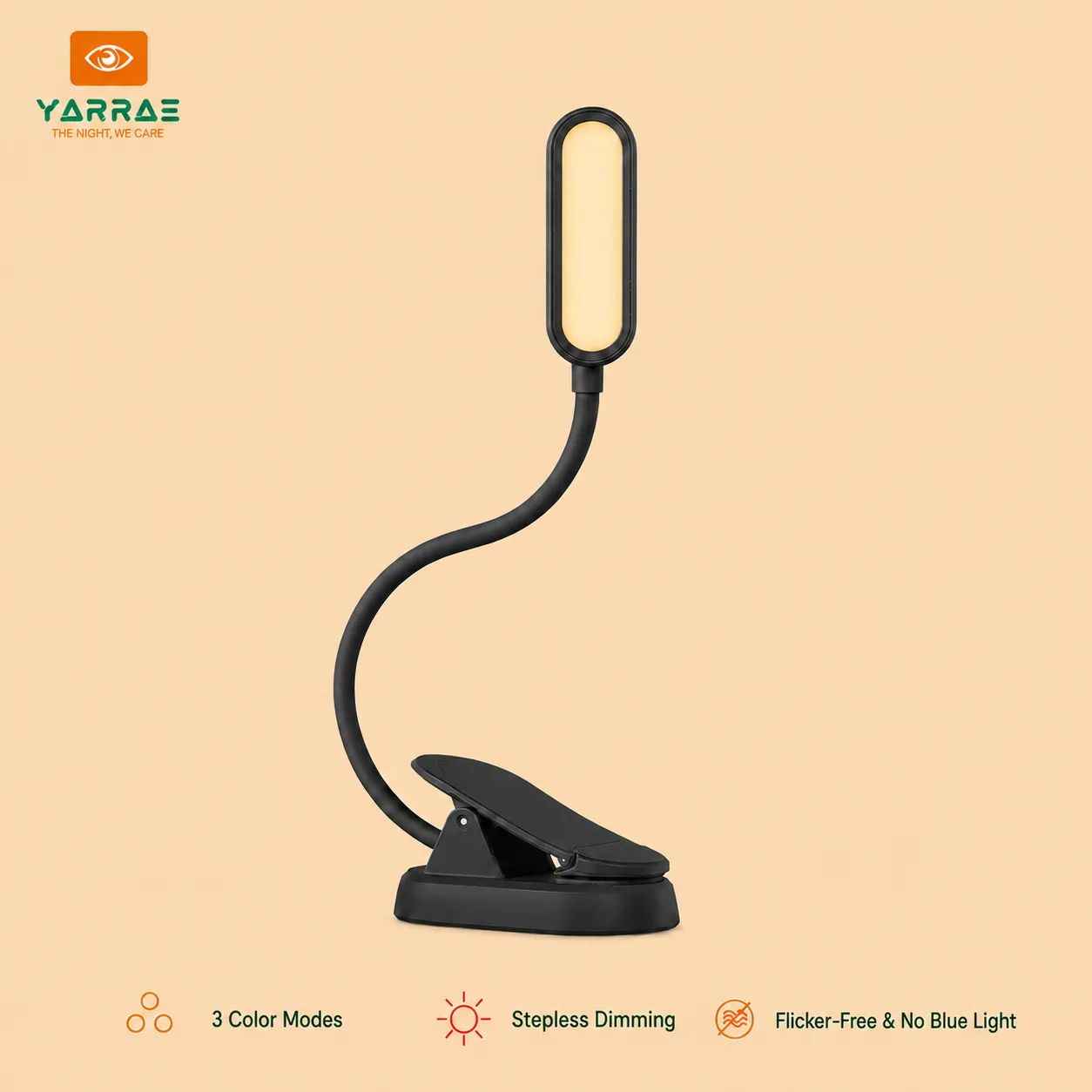
Professional workspaces face unique lighting challenges that conventional artificial lighting cannot adequately address. Standard fluorescent and incandescent bulbs emit light across a limited spectrum, which can trigger eye discomfort, headaches, and reduced productivity. Full spectrum light technology addresses these limitations by delivering a balanced mix of wavelengths that closely resembles natural sunlight. When employees work under full spectrum light, their eyes experience less strain because the lighting environment supports natural visual processes. This technology has gained particular attention in design studios, tech companies, and healthcare facilities where visual precision is essential.
The Science Behind Full Spectrum Light and Eye Health
How Full Spectrum Light Mimics Natural Daylight
Full spectrum light is engineered to produce wavelengths across the visible light spectrum, ranging from ultraviolet to infrared frequencies. This composition closely mirrors the distribution found in natural daylight, which our eyes evolved to process most efficiently. Unlike traditional office lighting that concentrates energy in limited wavelength ranges, full spectrum light provides balanced illumination that reduces the contrast between lit work surfaces and darker peripheral areas. When your eyes work under full spectrum light, the ciliary muscles—responsible for focusing—experience less strain because the lighting environment doesn't force excessive accommodation adjustments. This physiological alignment makes full spectrum light particularly effective for reducing eye fatigue during prolonged work sessions.
The Role of Color Temperature and Blue Light
Full spectrum light typically includes color temperatures ranging from warm tones (around 3000K) to cooler tones (around 6000K), allowing workers to adjust lighting to their specific needs. The blue light component in full spectrum light plays a crucial regulatory role by influencing circadian rhythms and alertness levels. However, the balanced nature of full spectrum light means blue wavelengths are present alongside other colors, preventing the eye irritation that can result from excessive blue light exposure alone. Professional environments that implement full spectrum light systems often report improved employee focus and reduced complaints about eye discomfort. The spectral quality of full spectrum light allows eyes to maintain their natural photopic and scotopic vision capabilities, reducing the fatigue associated with single-spectrum artificial lighting.
Practical Benefits of Full Spectrum Light in Professional Settings
Productivity and Visual Comfort Improvements
Organizations that have transitioned to full spectrum light in their workspaces consistently report measurable improvements in employee comfort and output. When workers operate under full spectrum light, they experience fewer headaches, less eye strain, and improved visual clarity—particularly when performing detailed tasks or working with digital displays. The reduction in eye fatigue directly correlates with sustained productivity, as employees can maintain focus for longer periods without experiencing vision-related fatigue. Full spectrum light also supports better color perception, which is essential in industries like graphic design, quality control, and product development. Companies implementing full spectrum light systems have documented decreased sick leave related to eye strain and improved employee satisfaction scores.
Impact on Circadian Rhythms and Sleep Quality
Full spectrum light exposure during working hours helps maintain healthy circadian rhythms by signaling proper timing to the body's internal clock. This regulatory effect of full spectrum light encourages employees to maintain natural sleep-wake cycles, reducing the insomnia and fatigue associated with poor lighting environments. When professionals spend their day under suboptimal artificial lighting, their circadian systems become disrupted, leading to compensatory eye strain and fatigue. Full spectrum light prevents this disruption by providing the spectral information their bodies expect during daylight hours. The cumulative effect of proper full spectrum light exposure is improved sleep quality at night, which reduces daytime eye fatigue and enhances overall visual performance.
Implementation Considerations for Full Spectrum Light Systems
Choosing the Right Full Spectrum Light Solutions
Not all lighting marketed as full spectrum light delivers equivalent benefits, making informed selection essential for workplace implementation. True full spectrum light systems should provide color rendering index (CRI) ratings of at least 95, ensuring accurate color reproduction and reduced eye strain. When evaluating full spectrum light products, professionals should verify that the light source covers wavelengths from 380 to 780 nanometers—the full visible spectrum. Adjustable full spectrum light fixtures that allow workers to control intensity and color temperature are particularly effective, as different tasks and individuals benefit from varying light parameters. LED-based full spectrum light solutions offer additional advantages including energy efficiency, longer lifespan, and reduced heat generation compared to older fluorescent technologies.
Positioning and Coverage Strategy
Effective implementation of full spectrum light requires strategic placement to ensure uniform coverage across work areas. Overhead full spectrum light installations should be positioned to minimize shadows and glare while maintaining consistent illumination levels across all workstations. Task-specific full spectrum light fixtures placed near individual desks allow employees to customize their immediate lighting environment while benefiting from the broader full spectrum light infrastructure. The distance between full spectrum light sources and work surfaces significantly influences eye comfort—typically, optimal distances range from 18 to 24 inches for desk lamps and 8 to 10 feet for ceiling-mounted systems. Organizations implementing comprehensive full spectrum light upgrades often combine ambient overhead lighting with adjustable desk lamps to maximize both eye comfort and energy efficiency.
FAQ
Does full spectrum light actually reduce eye strain compared to standard office lighting?
Yes, research and workplace implementation data consistently demonstrate that full spectrum light reduces eye strain more effectively than conventional office lighting. The balanced spectral distribution of full spectrum light allows eyes to process visual information with less muscular effort, directly decreasing fatigue associated with prolonged screen time. Employees working under full spectrum light report fewer headaches, improved visual comfort, and sustained focus throughout their workday. However, individual responses to full spectrum light can vary based on personal sensitivity, existing vision conditions, and specific workspace configurations.
How much does it cost to upgrade a workspace to full spectrum light?
The investment required for full spectrum light upgrades depends on workspace size, existing infrastructure, and whether you implement ambient ceiling fixtures, task lighting, or hybrid solutions. Basic full spectrum light desk lamps range from affordable price points, while comprehensive full spectrum light system upgrades for large offices require significant investment. However, organizations that calculate total cost of ownership—including reduced healthcare costs, decreased absenteeism, and productivity gains—often find that full spectrum light upgrades deliver positive return on investment within 2–3 years.
Is full spectrum light safe for extended daily exposure?
Yes, full spectrum light is designed to replicate natural daylight and is safe for extended daily exposure in professional environments. Unlike intense blue light devices or poorly designed artificial lighting, properly engineered full spectrum light poses no risk of photochemical damage or circadian disruption. In fact, consistent exposure to full spectrum light supports healthy circadian function and reduces eye fatigue compared to time spent under conventional artificial lighting. Individuals with specific eye conditions should consult their optometrist to ensure full spectrum light settings are optimized for their particular vision profile.