
 EN


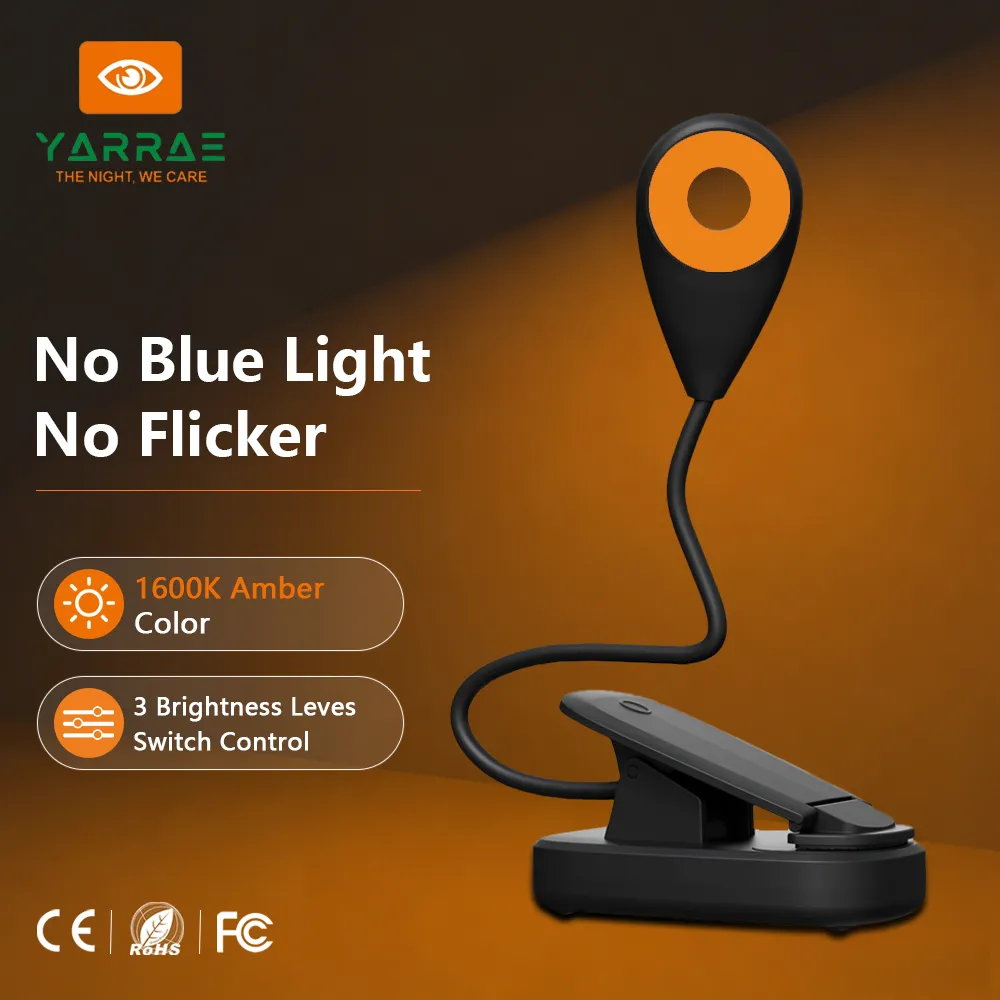
Blue light exposure, particularly in the evening hours, has become a significant concern for parents and caregivers managing children's health and sleep patterns. The question of whether no blue light designs truly deliver effectiveness for children and sensitive users deserves a thorough examination based on scientific research and practical application. Understanding the mechanisms behind no blue light technology helps families make informed decisions about lighting choices that support healthy development and sleep quality for young users who are increasingly exposed to digital screens and artificial lighting throughout their daily routines.
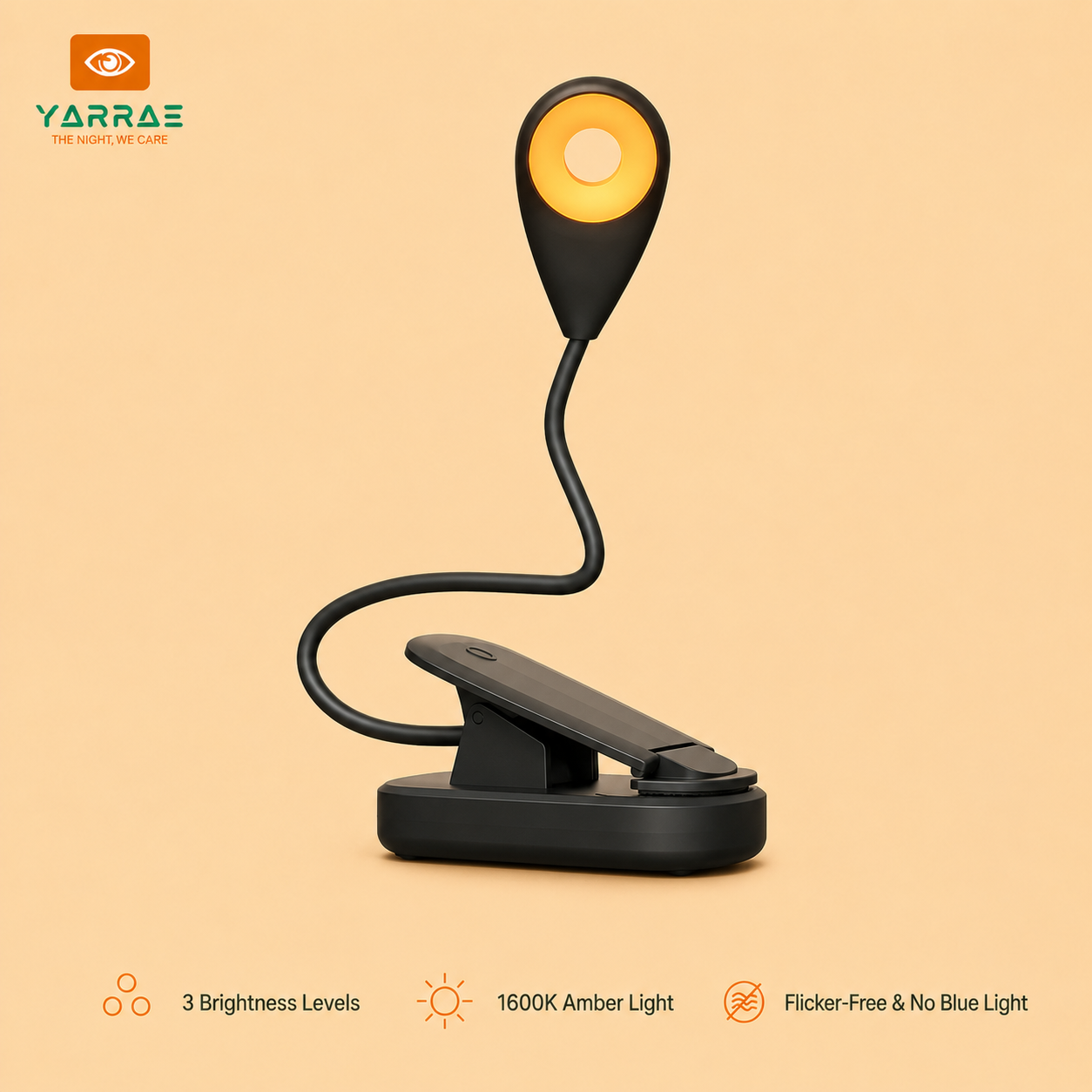
The effectiveness of no blue light designs hinges on understanding how this specific light wavelength interacts with the human circadian rhythm and photoreceptor cells in the retina. When children and sensitive users encounter conventional blue-enriched lighting, especially after sunset, their bodies receive conflicting biological signals that suppress melatonin production, making sleep onset more difficult. Research consistently demonstrates that no blue light solutions create measurable improvements in sleep latency, sleep quality, and daytime alertness for populations that benefit most from circadian rhythm protection, including developing children whose sleep patterns are still establishing and consolidating.
How Blue Light Disrupts Sleep in Children and Sensitive Users
Circadian Rhythm Interference and Melatonin Suppression
The human circadian system relies on light cues to regulate daily biological rhythms, and blue light wavelengths between 460 and 480 nanometers trigger the strongest suppression of melatonin, the hormone responsible for initiating sleep. Children's circadian systems are still developing, making them particularly susceptible to disruption from inappropriate light exposure during critical evening hours. When no blue light alternatives are implemented, melatonin production proceeds on a natural schedule, allowing children to experience deeper sleep onset and more restorative rest cycles. This biological mechanism explains why no blue light designs prove effective across diverse age groups and why sensitive users report consistent improvements in sleep quality when evening exposure to blue wavelengths is minimized.
Photoreceptor Sensitivity in Developing Eyes
Children's eyes contain developing photoreceptor cells and crystalline lenses that transmit more blue light to the retina compared to adult eyes, amplifying the impact of blue light exposure on their visual system and circadian biology. The sensitivity of intrinsically photosensitive retinal ganglion cells to blue light is heightened in younger populations, making no blue light designs particularly valuable for protecting eye health and supporting proper circadian entrainment. Sensitive users with conditions including light sensitivity, migraines, or photophobia experience exacerbated discomfort from conventional blue-enriched lighting, and the implementation of no blue light systems produces measurable relief and improved tolerance for evening light exposure.
Demonstrated Benefits of No Blue Light Technology
Improved Sleep Quality and Sleep Duration
Clinical research demonstrates that no blue light lighting interventions reduce sleep onset latency by an average of 15 to 30 minutes in children and sensitive adults, with total sleep duration increasing by 45 to 90 minutes per night when blue light is eliminated from evening environments. The quality of sleep improves significantly, with users reporting fewer nighttime awakenings, reduced sleep fragmentation, and enhanced restorative sleep stages. Children who transition to no blue light evening lighting show improved daytime attention, reduced behavioral dysregulation, and better academic performance, reflecting the fundamental importance of quality sleep for cognitive development and emotional regulation. Parents implementing no blue light solutions consistently report sustained improvements in bedtime compliance and overall family sleep satisfaction.
Reduced Eye Strain and Visual Comfort
Digital screen use among children has escalated dramatically, and the combination of screen time and blue light exposure creates cumulative eye strain, accommodative stress, and accelerated myopia progression in sensitive users. No blue light design specifications eliminate the wavelengths most associated with photopic stress, allowing the visual system to relax and recover during evening activity periods. Children using no blue light lighting report reduced eye fatigue, decreased need for extended rest periods, and improved visual comfort during reading, homework, and pre-sleep activities. The protective effect is particularly pronounced in populations with pre-existing visual sensitivity or refractive errors, where conventional lighting creates compounding discomfort.
Enhanced Daytime Energy and Alertness
Superior nighttime sleep quality directly translates to enhanced daytime alertness and sustained cognitive performance in children and sensitive users whose sleep had previously been disrupted by evening blue light exposure. Students report improved concentration during school hours, better retention of learned material, and reduced daytime somnolence when no blue light interventions support restorative sleep schedules. The improvement in alertness cascades into better emotional regulation, reduced irritability, and improved social interactions among children, making no blue light a practical tool for supporting overall developmental and behavioral outcomes beyond simple sleep metrics.
Practical Implementation of No Blue Light Solutions
Optimal Timing and Light Color Specifications
Effectiveness of no blue light designs depends on strategic implementation timing, with evening exposure beginning two to three hours before intended sleep time delivering maximum circadian benefit for children and sensitive users. Amber and warm red light wavelengths exceeding 570 nanometers provide sufficient illumination while preserving melatonin production and supporting the natural progression toward sleep. Lighting environments that implement no blue light specifications during evening hours maintain consistent biological effectiveness, while morning and midday lighting can include natural blue wavelengths without circadian disruption. Sensitive users benefit from lighting systems specifically calibrated to exclude blue wavelengths entirely, with color temperatures typically below 2700 Kelvin and ideally positioned at 1600 Kelvin for maximum melatonin protection.
Integration with Sleep Hygiene Practices
No blue light lighting proves most effective when integrated into comprehensive sleep hygiene routines that include consistent sleep schedules, reduced screen exposure, and environmental temperature control for children and sensitive users. The synergistic effect of no blue light design combined with other evidence-based sleep practices produces superior outcomes compared to lighting interventions alone, with families experiencing more robust and sustained sleep improvements. Parents implementing no blue light solutions alongside reduced evening screen time and consistent bedtime routines report the highest success rates in establishing healthy sleep patterns and maintaining improvements across seasons and developmental stages. This integrated approach positions no blue light technology not as a standalone solution but as a critical component within a comprehensive framework supporting children's biological health and sleep quality.
FAQ
Can no blue light lighting completely replace professional sleep interventions for children with severe sleep disorders?
No blue light design provides significant benefit for children and sensitive users with typical sleep disruptions, but severe sleep disorders including insomnia, sleep apnea, or circadian rhythm disorders require comprehensive professional evaluation and multifaceted treatment plans. Children with diagnosed sleep disorders should implement no blue light solutions as one component of care while continuing appropriate medical supervision and evidence-based behavioral or pharmaceutical interventions recommended by sleep specialists.
Are no blue light effects equally effective for all age groups of children?
No blue light effectiveness increases with age, proving particularly powerful for older children and adolescents whose circadian systems are susceptible to evening light disruption during peak developmental sensitivity to environmental timing cues. Younger children benefit from no blue light environments, though their shorter evening schedules may produce less dramatic differences than the substantial improvements observed in school-age children and teenagers managing academic demands and later bedtimes.
How long does it take to observe measurable benefits from implementing no blue light lighting for children?
Children and sensitive users typically report noticeable improvements in sleep onset and quality within three to seven days of implementing consistent no blue light lighting, with optimal circadian adaptation and maximum benefits typically established within two to four weeks of sustained use in the evening environment.
Table of Contents
- How Blue Light Disrupts Sleep in Children and Sensitive Users
- Demonstrated Benefits of No Blue Light Technology
- Practical Implementation of No Blue Light Solutions
-
FAQ
- Can no blue light lighting completely replace professional sleep interventions for children with severe sleep disorders?
- Are no blue light effects equally effective for all age groups of children?
- How long does it take to observe measurable benefits from implementing no blue light lighting for children?