
 EN


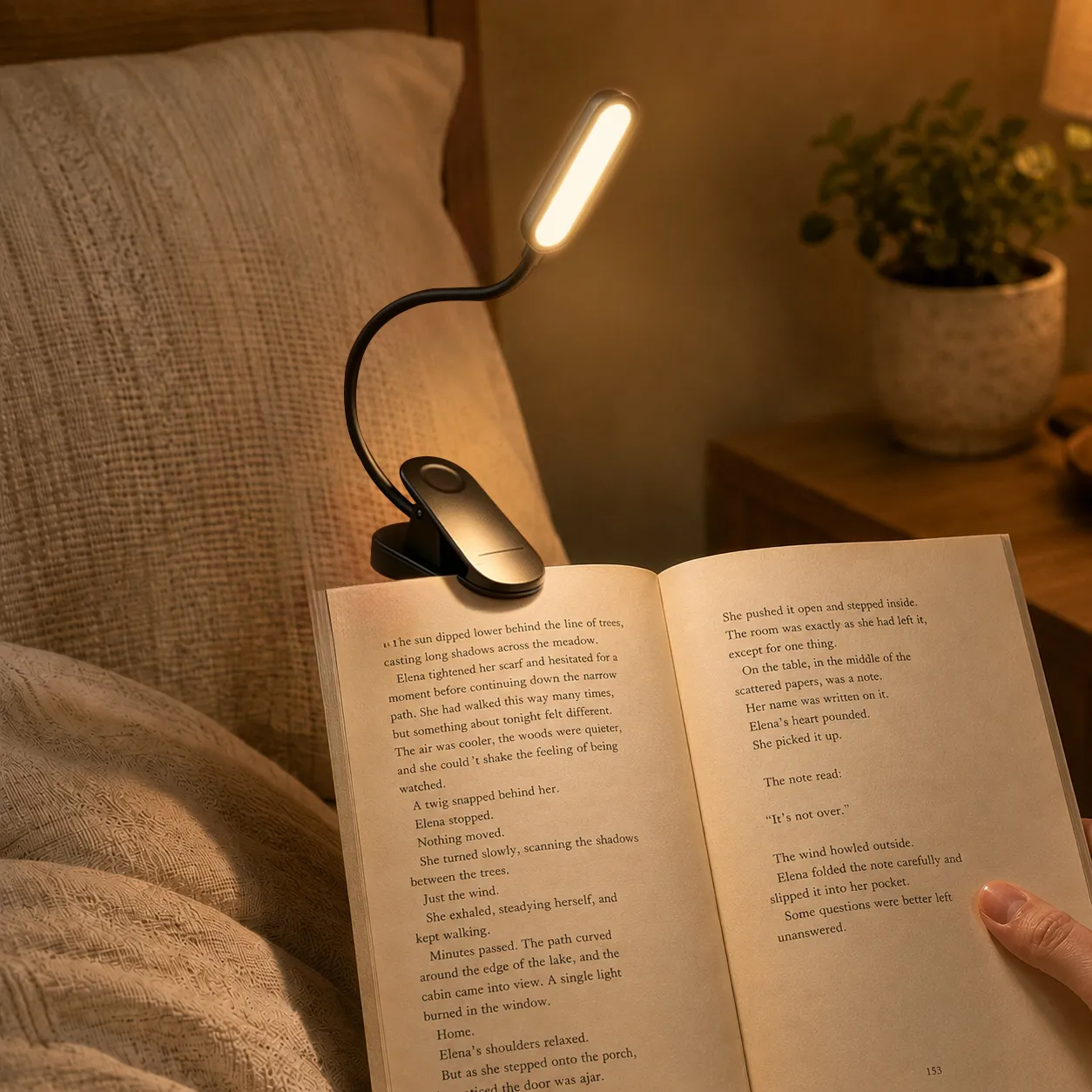
Full spectrum light represents one of the most significant advances in modern illumination technology, fundamentally changing how we perceive visual environments and interact with color. Unlike conventional artificial lighting that relies on limited wavelengths, full spectrum light closely mimics the natural distribution of sunlight, delivering wavelengths across the entire visible spectrum. This comprehensive approach to lighting profoundly impacts both visual comfort and color accuracy, making it essential for professionals who depend on precise visual perception and anyone seeking to reduce eye strain during extended work sessions.
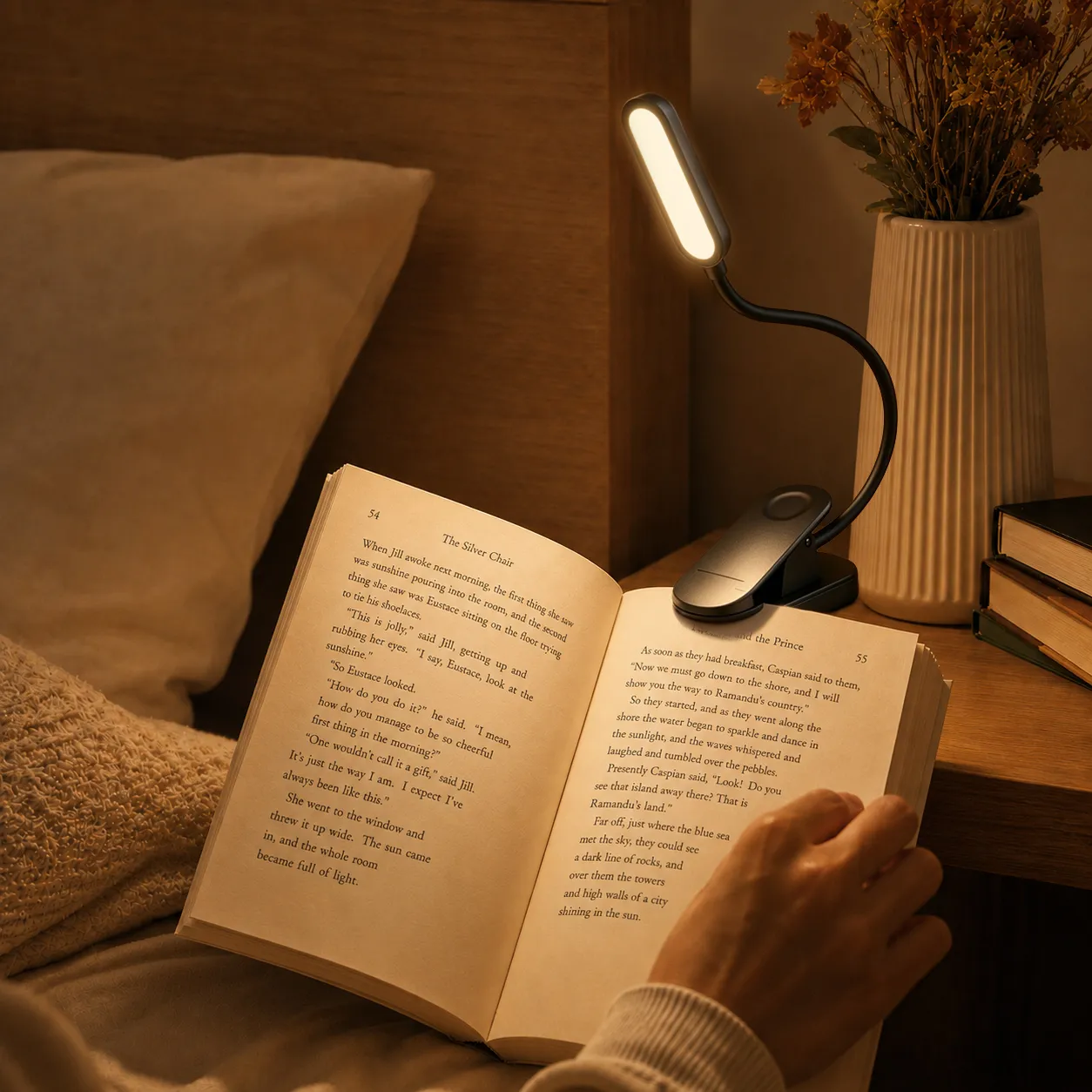
The relationship between full spectrum light and eye strain represents a critical consideration in workspace design and lighting selection. Traditional fluorescent and incandescent bulbs emit discontinuous spectra with pronounced peaks in specific color ranges, creating an incomplete representation of color and requiring the eye to work harder for accurate visual interpretation. Full spectrum light addresses this challenge by providing a balanced, continuous distribution of wavelengths that allows the eye to process color information more naturally and efficiently, significantly reducing fatigue and discomfort during visual tasks.
Understanding Full Spectrum Light and Its Spectral Composition
What Defines True Full Spectrum Light
Full spectrum light is characterized by its continuous emission across the visible spectrum, typically measured by a metric known as Color Rendering Index (CRI). A high-quality full spectrum light source achieves a CRI rating of 95 or higher, meaning it renders colors with minimal distortion compared to a reference light source like daylight. This continuous spectral distribution distinguishes full spectrum light from standard artificial lighting, which often contains significant gaps or irregular peaks in certain wavelength ranges, leading to color misrepresentation and visual strain.
The science behind full spectrum light involves understanding how different wavelengths—from violet at 380 nanometers to red at 700 nanometers—contribute to human visual perception. Full spectrum light includes adequate amounts of blue wavelengths, which improve alertness and visual acuity, while simultaneously providing balanced red and green components for natural color perception. This balanced approach ensures that full spectrum light supports both physiological vision processes and psychological comfort, creating an illumination environment that feels natural and reduces the cognitive load on the visual system.
Comparing Full Spectrum Light to Standard Artificial Lighting
Standard fluorescent and incandescent lighting produces what is often called incomplete or limited-spectrum light. Incandescent bulbs emit most of their energy in the infrared region, with visible light skewed heavily toward red and yellow wavelengths, resulting in poor representation of blue and green colors. Full spectrum light rectifies this by ensuring every region of the visible spectrum receives appropriate energy distribution. When you compare side-by-side environments, full spectrum light allows objects to display their true colors, while standard lighting causes colors to appear washed out, distorted, or shifted toward warm or cool tones depending on the source.
The difference in visual comfort becomes immediately apparent when workers transition from standard lighting to full spectrum light environments. Full spectrum light reduces the eye's compensatory efforts, as the visual system does not need to continuously adjust and interpret incomplete color information. This reduction in visual processing demand translates directly into lower eye strain, reduced headaches, and improved focus during extended work periods. Full spectrum light essentially allows the eye to function in its most efficient state, similar to how it operates under natural daylight conditions.
How Full Spectrum Light Enhances Visual Comfort
Reducing Eye Strain and Fatigue
Eye strain occurs when the visual system must work harder than normal to process incomplete or distorted visual information. Full spectrum light significantly reduces this burden by providing the complete range of wavelengths the eye evolved to process. The human eye contains different types of cone and rod cells that are sensitive to different wavelength ranges, and full spectrum light stimulates all these photoreceptors appropriately, reducing compensatory strain. Additionally, full spectrum light typically includes appropriate levels of blue wavelengths, which enhance pupil response and visual acuity without causing the harshness associated with excessive blue light exposure from poorly designed LED sources.
The reduction in eye strain associated with full spectrum light manifests in multiple measurable ways. Workers report less discomfort during long visual tasks, fewer episodes of blurred vision, and reduced symptoms of digital eye strain when working under full spectrum light compared to standard artificial lighting. Full spectrum light also supports the eye's natural focus mechanisms more effectively, as the complete spectral information allows the visual system to maintain better contrast perception and depth cues. This biomechanical efficiency means that full spectrum light enables sustained visual performance without the cumulative fatigue that develops under inadequate lighting conditions.
Supporting Circadian Rhythm and Natural Alertness
Full spectrum light contains significant blue wavelength content, which plays a crucial role in regulating the human circadian rhythm through stimulation of intrinsically photosensitive retinal ganglion cells (ipRGCs). These specialized cells respond most strongly to blue light in the 460–480 nanometer range, signaling to the brain's suprachiasmatic nucleus to maintain appropriate wake-sleep cycles. Full spectrum light, by including balanced blue wavelengths as part of its continuous spectrum, naturally supports these biological processes without the health concerns associated with excessive or poorly-timed blue light exposure. This physiological alignment means that full spectrum light not only improves visual comfort but also enhances overall alertness, mood, and cognitive performance.
The circadian support provided by full spectrum light becomes particularly important in indoor work environments where workers have limited exposure to natural daylight. By mimicking the spectral distribution of natural light, full spectrum light helps maintain healthy circadian alignment even in entirely artificial environments. This biological resonance contributes significantly to overall visual comfort, as the visual system does not experience the sensory confusion that results from working under spectrally incomplete lighting. Full spectrum light creates a more natural visual and biological environment, reducing the accumulated stress that develops from extended exposure to artificial lighting conditions.
Color Accuracy and Professional Applications of Full Spectrum Light
Critical Importance of Full Spectrum Light in Color-Sensitive Work
Color accuracy is non-negotiable in numerous professional and creative fields where precise color perception determines output quality and professional standards. Designers, photographers, color graders, textile workers, print professionals, and medical diagnosticians all depend on accurate color perception to perform their work correctly. Full spectrum light provides the essential foundation for this accuracy by ensuring that colors are rendered with minimal distortion and maximum fidelity to their true appearance under natural daylight conditions. When professionals work under full spectrum light, they can make accurate color judgments without the distorting effects of spectrally limited artificial lighting.
The relationship between full spectrum light and color accuracy involves understanding that human color perception is fundamentally dependent on the wavelength composition of incident light. Full spectrum light ensures that all colors present in the visual scene receive equal opportunity for accurate representation, preventing the color shifts and misrepresentations that occur under standard lighting. Full spectrum light with high CRI ratings (typically 95 or higher) brings the color rendering performance of artificial lighting as close as technically possible to natural daylight, enabling professionals to work with confidence that their color-based decisions will translate accurately to other viewing environments.
Practical Applications and Industry Standards
Photography and videography studios maintain strict lighting standards that mandate full spectrum light sources because color accuracy in these environments directly impacts the marketability and quality of final products. Full spectrum light allows photographers and cinematographers to make accurate exposure decisions and color balance choices that will appear correct when viewed in other lighting environments. Similarly, graphic design and digital illustration professionals rely on full spectrum light to ensure that the colors they specify will reproduce accurately in print or other media. Full spectrum light has become an industry standard precisely because professionals across these fields have recognized that no level of post-processing can compensate for the color distortions introduced by spectrally incomplete lighting.
Retail environments also increasingly adopt full spectrum light as a business decision, recognizing that products appear more appealing and true to their actual colors under this lighting type. Full spectrum light allows customers to make accurate color-based purchasing decisions, reducing returns and increasing satisfaction. Medical and diagnostic environments utilize full spectrum light to ensure accurate assessment of skin tones, tissue coloration, and other visual indicators critical to clinical decision-making. The convergence of these diverse professional applications demonstrates that full spectrum light represents not just an aesthetic preference but a fundamental requirement for any environment where color accuracy impacts outcomes or decisions.
FAQ
Does Full Spectrum Light Really Reduce Eye Strain Compared to Standard Lighting?
Yes, full spectrum light objectively reduces eye strain compared to standard artificial lighting in multiple measurable ways. Research demonstrates that workers exposed to full spectrum light report significantly lower levels of eye discomfort, fewer headaches, and improved visual performance during sustained tasks. This occurs because full spectrum light provides the complete range of wavelengths the human eye evolved to process, eliminating the compensatory strain that develops when the visual system must interpret incomplete color information under spectrally limited artificial lighting. The reduction is most pronounced during extended work sessions where cumulative fatigue becomes significant.
How Does Full Spectrum Light Affect Color Accuracy in Creative Professional Work?
Full spectrum light is essential for accurate color work because it renders all colors with minimal distortion across the visible spectrum. When professionals work under full spectrum light with high CRI ratings (95 or higher), the colors they perceive and work with match closely with how those colors appear in natural daylight or other standard viewing conditions. This alignment prevents expensive color errors, reduces rework, and ensures that creative professionals can make confident color-based decisions. Full spectrum light essentially eliminates the variable of spectrally incomplete lighting, allowing professionals to focus entirely on design and creative choices rather than compensating for lighting-induced color distortions.
What Is the Difference Between Full Spectrum Light and Regular LED Lighting?
Regular LED lighting often concentrates energy in narrow wavelength bands, creating an incomplete spectrum that produces color shifts and eye strain. Full spectrum light, whether LED-based or from other sources, distributes energy across the entire visible spectrum with high CRI ratings to render colors accurately. The term 'full spectrum' specifically describes the spectral distribution and color rendering properties, not the technology used to produce light. Modern full spectrum light sources exist in various formats including specialized LED fixtures, and they represent a deliberate design commitment to providing complete spectral coverage rather than the cost-optimized incomplete spectra found in standard lighting solutions.