
 EN
EN


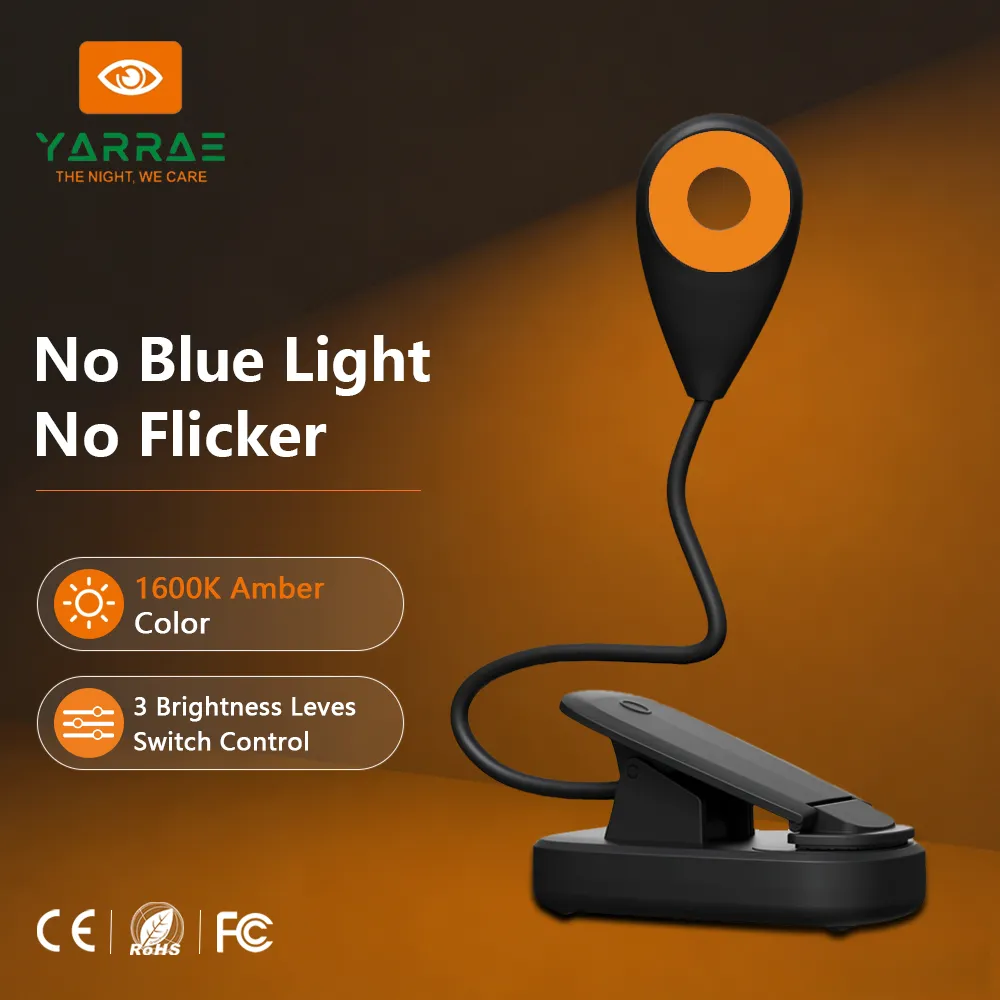
Parents and caregivers increasingly ask whether no blue light products can genuinely protect young eyes and support better sleep. The short answer is yes — no blue light designs are effective, but their real value depends on how, when, and where they are used. Understanding the science behind no blue light technology helps buyers make smarter decisions for children and for adults who are particularly sensitive to light exposure at night.
A no blue light lamp or night light eliminates the short-wavelength light that most disrupts melatonin production. Unlike standard LED bulbs, a no blue light source emits warm amber or soft warm-white tones that the human brain processes as 'sleep-safe' illumination. For children whose circadian rhythms are still developing, and for adults with conditions like photosensitivity or sleep disorders, using a no blue light environment in the evening can be genuinely transformative.
Why No Blue Light Matters for Children
The Developing Visual System and Light Sensitivity
Children's eyes transmit significantly more blue-wavelength light to the retina than adult eyes do. The lens of a young child is clearer and less capable of filtering high-energy visible light, which means no blue light design is far more than a marketing concept for this age group — it is a meaningful protective measure. When a bedroom or nursery uses a no blue light lamp during the evening routine, the child's brain receives far fewer stimulating signals, making it easier to transition into sleep naturally.
Research consistently shows that blue light exposure in the hours before bedtime delays melatonin onset and reduces total sleep duration in children. A no blue light night light placed in a nursery or child's room addresses this directly. Parents who switch to a no blue light setup often report that bedtime routines become less stressful and that children fall asleep faster. The practical benefit of no blue light for children is not theoretical — it is observable in daily household life.
Sensitive Users Beyond Children
Adults with migraines, anxiety disorders, or diagnosed photosensitivity also benefit substantially from a no blue light approach in their living spaces. Neurologically sensitive individuals process short-wavelength light more intensely, and exposure to standard lighting in the evening can trigger headaches or heightened alertness at exactly the wrong time of day. Choosing a no blue light product for bedside or bathroom use at night helps these users maintain a calmer physiological state. The warm glow of a no blue light lamp signals to the nervous system that it is safe to wind down.
How No Blue Light Technology Works in Practice
Spectral Design and Warm Light Output
A genuine no blue light lamp is engineered to emit light primarily in the amber and red spectral range, typically above 550 nanometers. At these wavelengths, the retinal photoreceptors responsible for suppressing melatonin are minimally activated. When a product claims to be no blue light, it should produce a warm, visibly amber or golden glow rather than a crisp white beam. Buyers should look for products that specify their color temperature in the 1800K to 2700K range, as this correlates strongly with authentic no blue light output.
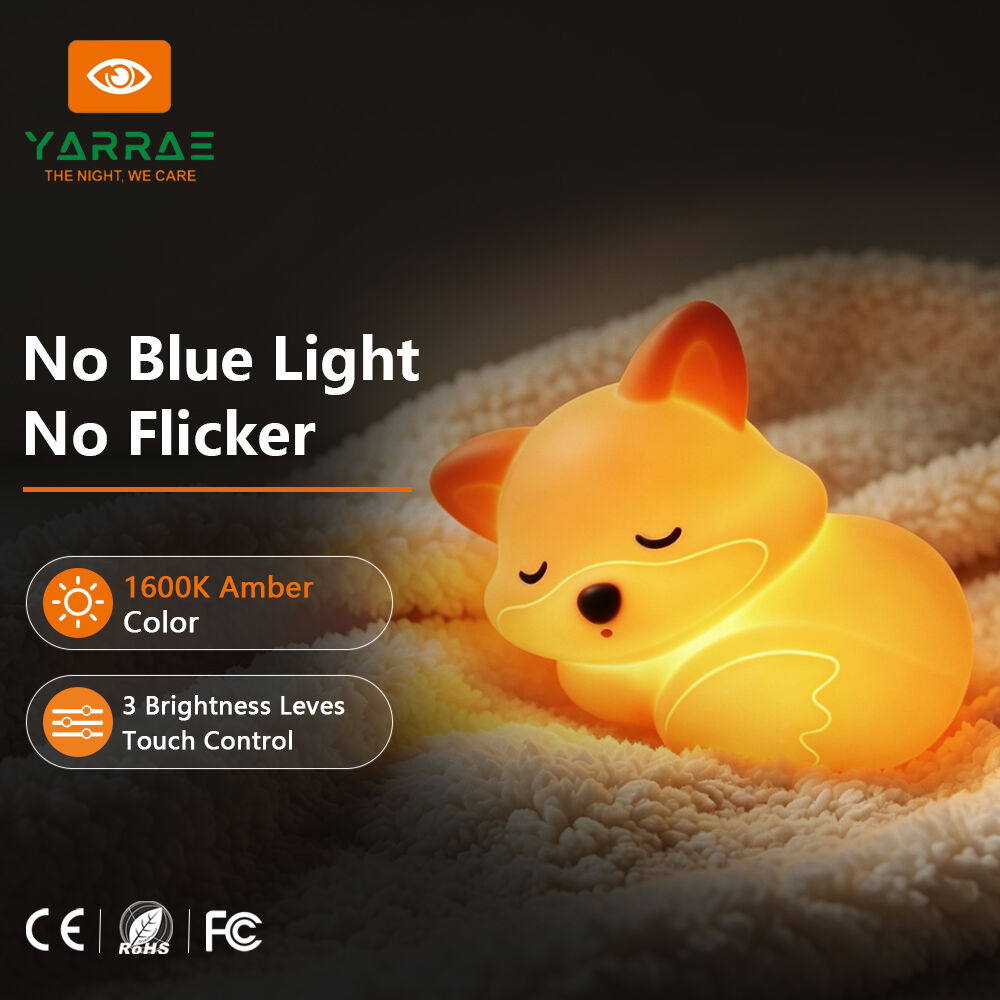
Soft silicone materials used in many children's night lights also contribute to a no blue light experience by diffusing the light source evenly, eliminating harsh bright spots that could still cause visual discomfort. A well-designed no blue light lamp combines spectral engineering with physical diffusion to create an environment that is genuinely gentle on developing eyes. Dimmable functionality further enhances the value of a no blue light lamp by allowing caregivers to match brightness levels to the specific needs of each situation — full dim for sleeping, slightly brighter for nighttime feeding or comfort checks.
Battery Life and Placement Flexibility
One practical advantage of modern no blue light lamps designed for children is their long battery life. A portable, rechargeable no blue light night light can be placed anywhere in the room without proximity to an outlet, which gives parents greater flexibility in creating an ideal sleeping environment. Whether placed on a shelf, a bedside table, or inside a cot area, a no blue light lamp with long battery life ensures uninterrupted warm illumination throughout the night. This portability also makes the no blue light lamp an excellent gift option for new parents or for families setting up a nursery.
Choosing the Right No Blue Light Design for Your Needs
Key Features to Prioritize
When selecting a no blue light product for a child or a sensitive user, several features matter beyond the basic spectral claim. First, a soft and durable material like food-grade silicone ensures the no blue light lamp is safe to touch and easy to clean. Children interact physically with their environment, and a no blue light lamp made from flexible, non-toxic silicone presents no safety risk if handled. Second, a dimmable no blue light lamp offers significantly more versatility than a fixed-brightness product. Being able to adjust the light level means the no blue light lamp can serve as a bedtime companion, a nighttime comfort source, and a gentle wake-up aid. Third, the aesthetic design of a no blue light lamp matters for children — a friendly animal shape or soft color makes the no blue light lamp feel like a reassuring presence rather than a clinical device.
Matching the Product to the Use Case
Not every no blue light solution is appropriate for every setting. A no blue light lamp designed specifically for children's rooms should be compact, tip-resistant, and free of small detachable parts. For sensitive adult users, a no blue light bedside lamp with touch or remote dimming is often more convenient. In both cases, the core principle remains the same: the no blue light environment reduces visual and neurological stimulation during the critical pre-sleep window. Investing in a quality no blue light product is a straightforward, low-cost intervention with measurable impact on sleep quality and overall wellbeing.
FAQ
Is a no blue light lamp completely safe for newborns?
Yes, a no blue light lamp emitting warm amber tones is considered one of the safest lighting choices for newborns. Because infants are especially sensitive to light stimulation, a no blue light environment supports their natural sleep cycles without disrupting melatonin production. Always choose a no blue light lamp made from non-toxic, baby-safe materials for added reassurance.
Can adults with sleep disorders benefit from no blue light designs?
Absolutely. Adults with insomnia, delayed sleep phase disorder, or general sleep difficulties often see meaningful improvement when they switch to a no blue light environment in the bedroom. Using a no blue light lamp for evening reading or as a nightlight reduces the stimulating effect of artificial lighting and helps the brain shift into a sleep-ready state more naturally.
How do I verify that a product is genuinely no blue light?
Look for products that specify a color temperature below 2700K and that visibly emit a warm amber or golden glow rather than a white or cool light. A genuine no blue light product will describe its spectral output and avoid using standard white LEDs. User reviews mentioning improved sleep quality and warm light appearance are also strong indicators that a no blue light lamp performs as claimed.