
 EN
EN


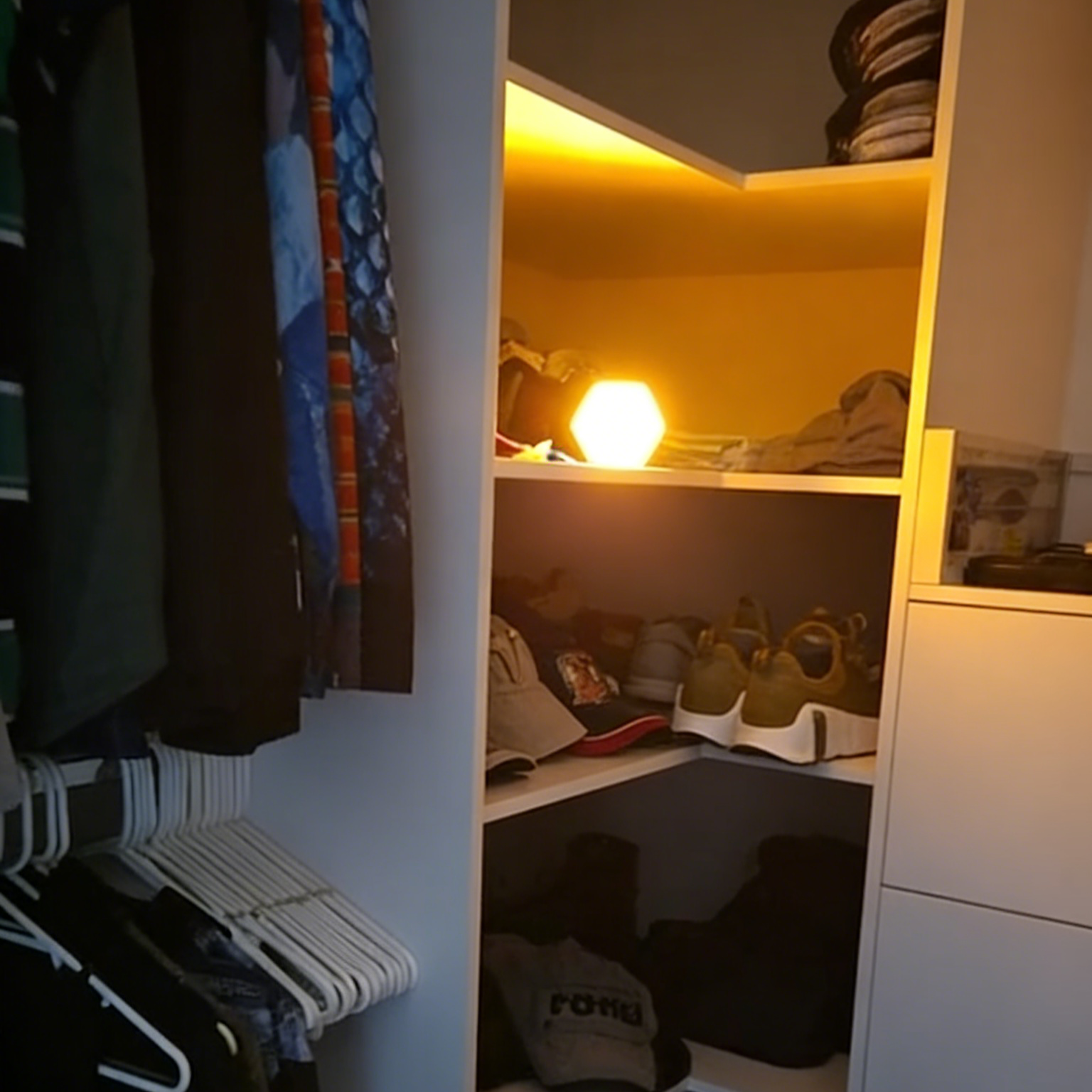
Choosing the right night light for a commercial or hospitality setting is far more demanding than selecting one for a private home. A night light used in a hotel corridor, apartment hallway, or commercial lobby must meet a complex set of requirements that balance aesthetics, safety, durability, and energy performance. Understanding these criteria helps property managers, interior designers, and procurement teams make confident purchasing decisions that serve both guests and residents effectively.
A well-designed night light does more than illuminate a dark space. In hospitality environments, a quality night light shapes the guest experience, reinforces the property's visual identity, and contributes to occupant safety throughout the night. Whether you are outfitting a boutique hotel, a serviced apartment block, or a multi-use commercial building, knowing exactly what qualifies a night light for these environments is the foundation of smart specification.
Key Design Criteria for a Commercial Night Light
Aesthetic Compatibility and Brand Alignment
In hotel rooms and serviced apartments, every detail contributes to the overall guest impression. A night light placed on a bedside table or mounted near a headboard must harmonize with the room's interior design language. Whether the property favors a modern minimalist style or a warm, classic atmosphere, the night light needs to feel like a deliberate design choice rather than an afterthought. Commercial buyers typically look for night light options that can be customized in finish, color temperature, and form factor to match brand standards.
For commercial lobbies and shared corridors, a night light must project a sense of professionalism and care. A sleek, well-proportioned night light communicates quality to guests and visitors without drawing excessive attention to itself. The form of the night light should support ambient lighting goals while remaining unobtrusive during daylight hours.
Appropriate Light Output and Color Temperature
The light output of a night light intended for hospitality or commercial spaces should be carefully calibrated. Too bright, and the night light disrupts sleep or creates visual discomfort in dark environments. Too dim, and it fails to provide the safety and orientation function it was installed to serve. A night light with adjustable brightness or a carefully chosen fixed lumen output in the range suitable for ambient nighttime use is generally preferred in hotel and apartment settings. Warm white color temperatures between 2700K and 3000K are widely favored in these contexts because they create a relaxing, inviting atmosphere without the harshness of cooler daylight tones.
Durability, Safety, and Compliance Standards
Build Quality for High-Frequency Use
A night light deployed in a hotel or apartment faces significantly more use cycles than one in a private residence. Guests and residents interact with these fixtures daily, and they must withstand repeated handling, cleaning, and the general wear of a high-turnover environment. A commercial-grade night light should feature robust materials, stable electrical components, and a construction standard that prevents premature failure. Procurement managers often evaluate the expected lifespan and replacement cycle of a night light before committing to large-volume purchases, since maintenance costs matter just as much as upfront pricing.
The internal components of a quality night light for commercial use should include reliable LED technology that provides a long operational life, typically measured in tens of thousands of hours. This reduces the frequency of replacements, minimizes maintenance disruption, and supports consistent lighting performance across all rooms or units in a property.
Safety Certifications and Electrical Compliance
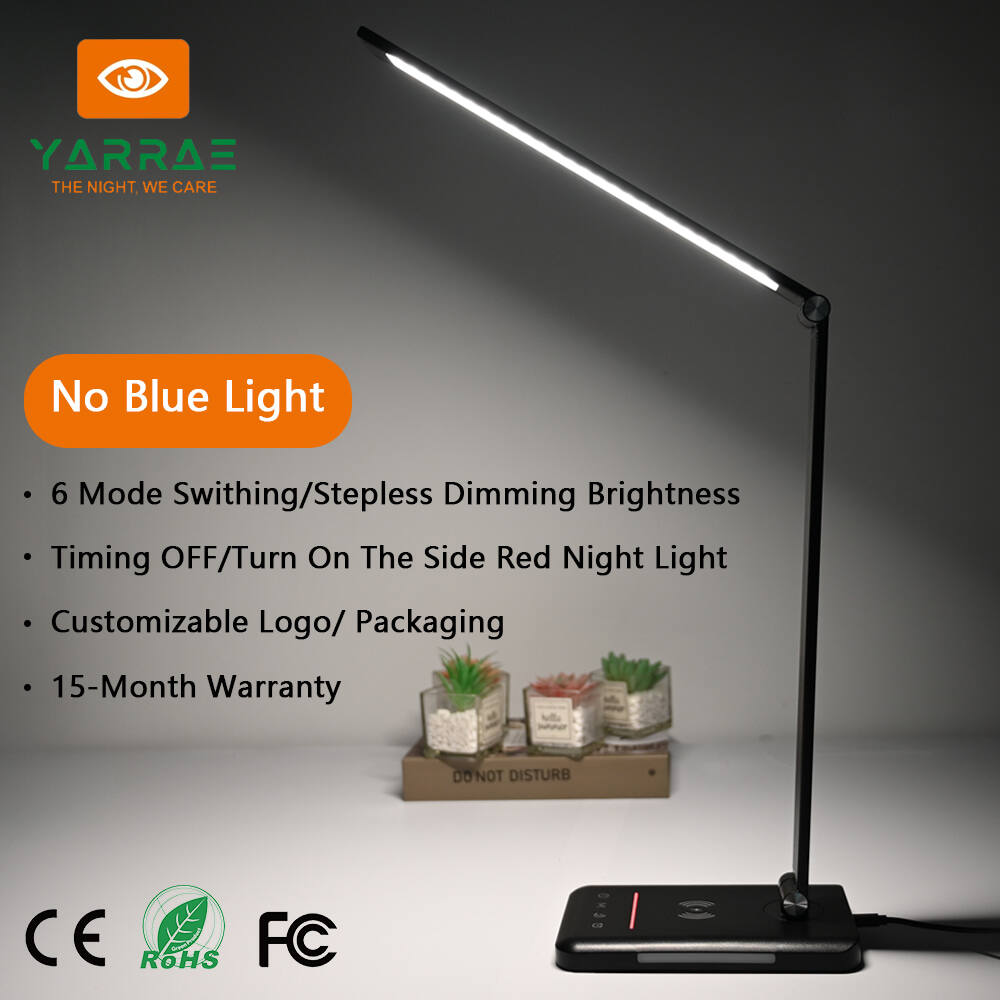
Any night light intended for use in hotels, apartments, or commercial buildings must meet the relevant electrical safety certifications applicable to the target market. Certifications such as CE, RoHS, and equivalent regional standards provide assurance that the night light has been tested for electrical safety, electromagnetic compatibility, and hazardous substance restrictions. Hotel procurement departments and building managers are required to verify compliance before installation, and reputable night light suppliers provide full certification documentation as a standard part of their offering. A night light that lacks verifiable certifications introduces liability risks that no commercial operator should accept.
Energy Efficiency and Long-Term Operational Value
LED Technology and Power Consumption
Energy efficiency is a significant factor when selecting a night light for large-scale commercial deployment. A hotel operating hundreds of rooms, or an apartment complex managing dozens of shared spaces, benefits enormously from a night light that draws minimal power while delivering consistent illumination. Modern LED-based night light designs consume a fraction of the energy used by older incandescent or halogen equivalents, which translates directly into measurable reductions in utility costs over time. For properties pursuing energy certifications or sustainability goals, specifying an efficient night light contributes meaningfully to overall building performance metrics.
The right night light for commercial contexts should also generate minimal heat output. Excessive heat from a poorly designed night light is both a safety consideration and a comfort issue, particularly in rooms where guests are sleeping nearby. LED night light solutions address this concern effectively through their inherently low thermal output compared to traditional lamp technologies.
Smart Features and Operational Convenience
Some commercial applications benefit from a night light that incorporates smart features such as motion sensing, automatic dimming, or scheduled on/off control. A motion-activated night light in a hotel corridor conserves energy when spaces are unoccupied while ensuring immediate illumination the moment a guest enters the area. These intelligent features enhance the practical value of a night light beyond simple ambient lighting. For property managers overseeing large portfolios, night light systems with consistent and simple operational logic reduce the training burden on housekeeping and maintenance staff, making the entire lighting operation more streamlined.
FAQ
What wattage is recommended for a hotel night light?
For hotel use, a night light with an LED power consumption between 3W and 8W is typically sufficient to provide adequate ambient illumination without disturbing guest sleep. The exact wattage depends on room size and the specific placement of the night light within the space.
Can a night light be customized for a hotel brand?
Yes, many commercial night light suppliers offer customization options including finish color, shade material, logo placement, and color temperature selection. Custom night light solutions allow hotel brands to maintain a consistent visual identity across all properties and room categories.
How often should a commercial night light be replaced?
A high-quality LED night light used in commercial settings typically has an operational lifespan of 25,000 to 50,000 hours. Under normal hotel or apartment usage patterns, this means a well-specified night light may not require replacement for several years, significantly reducing maintenance costs and operational disruption.