No Blue Light Technology: Advanced Eye Protection and Sleep Enhancement Solutions

Get a Free Quote

Our representative will contact you soon.
Email
Name
Tel
Company Name
Message
0/1000

no blue light

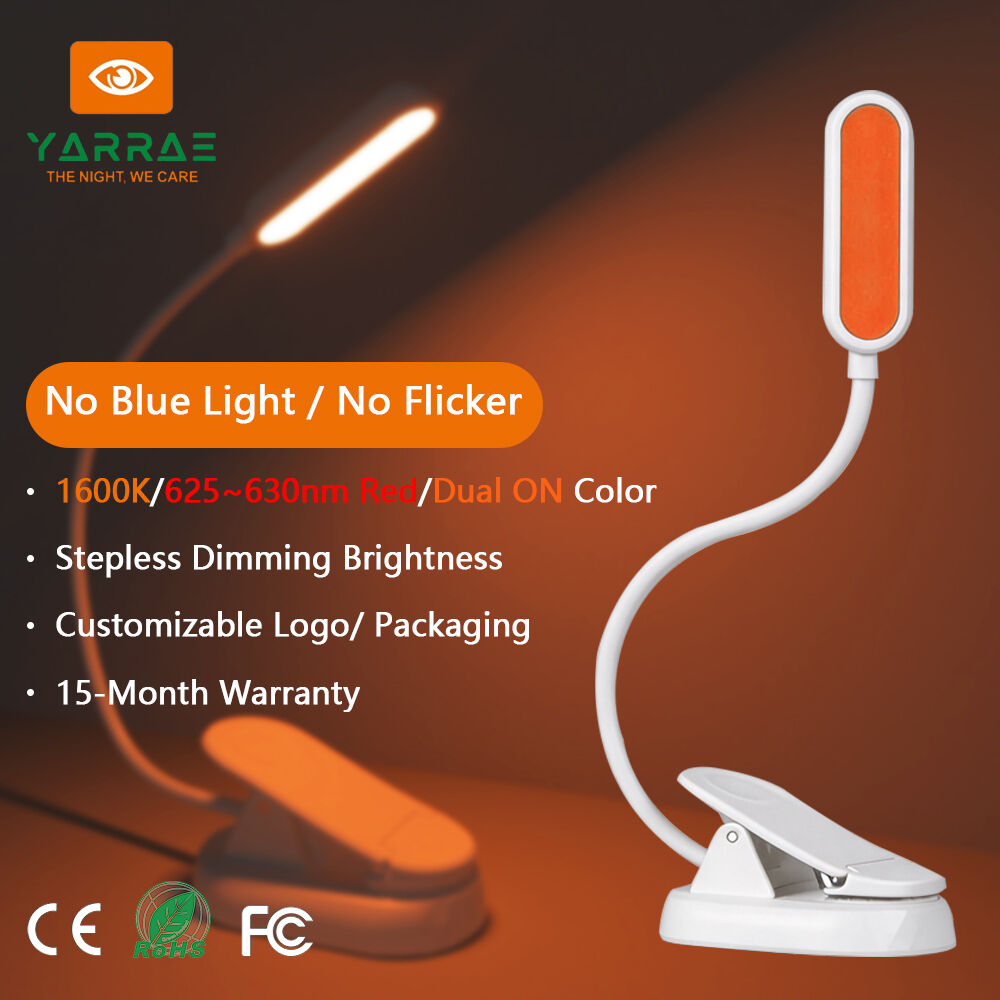
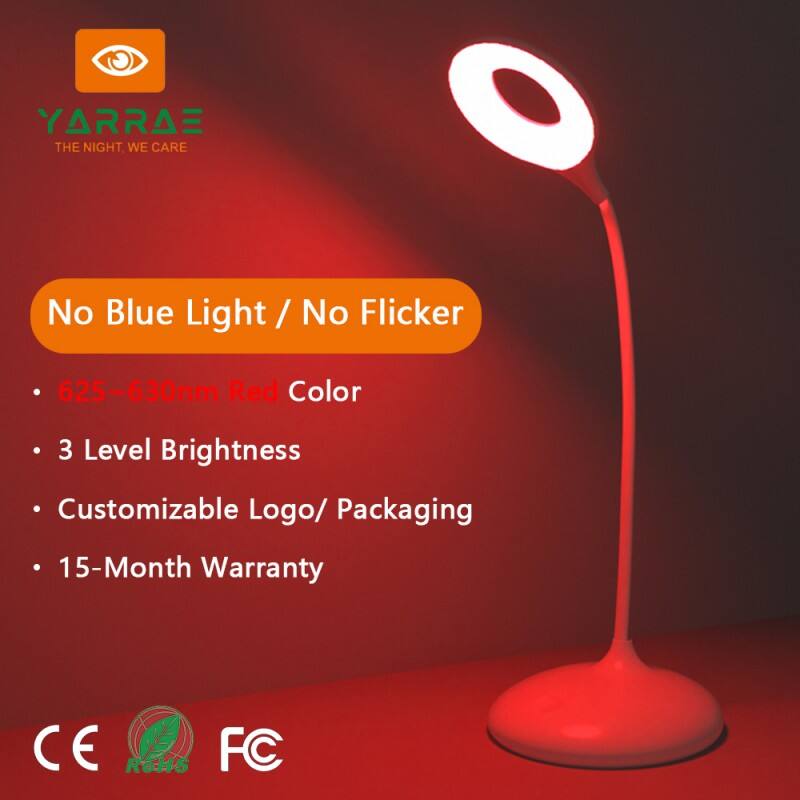
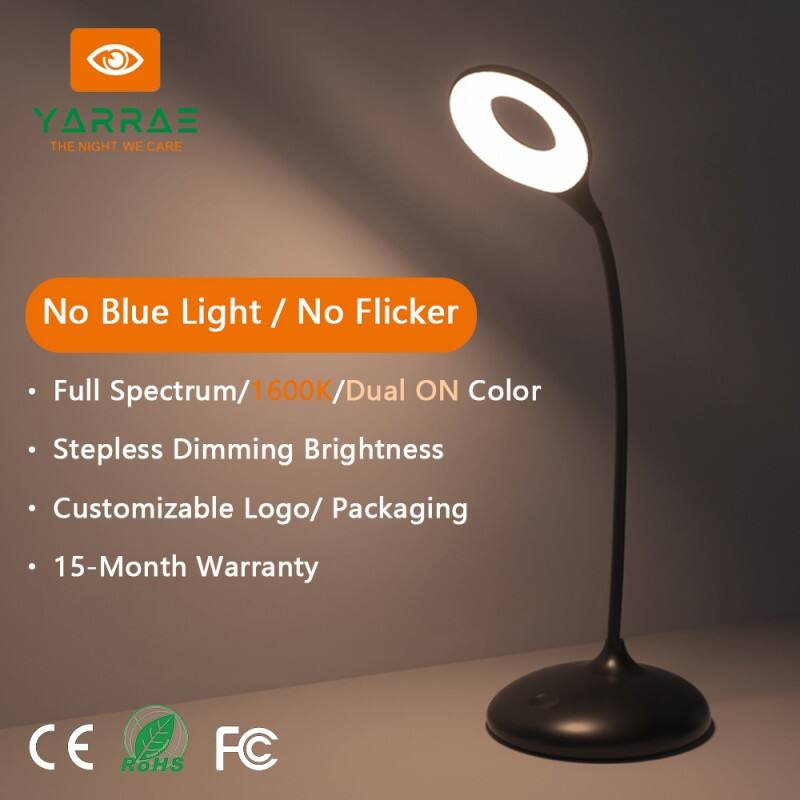
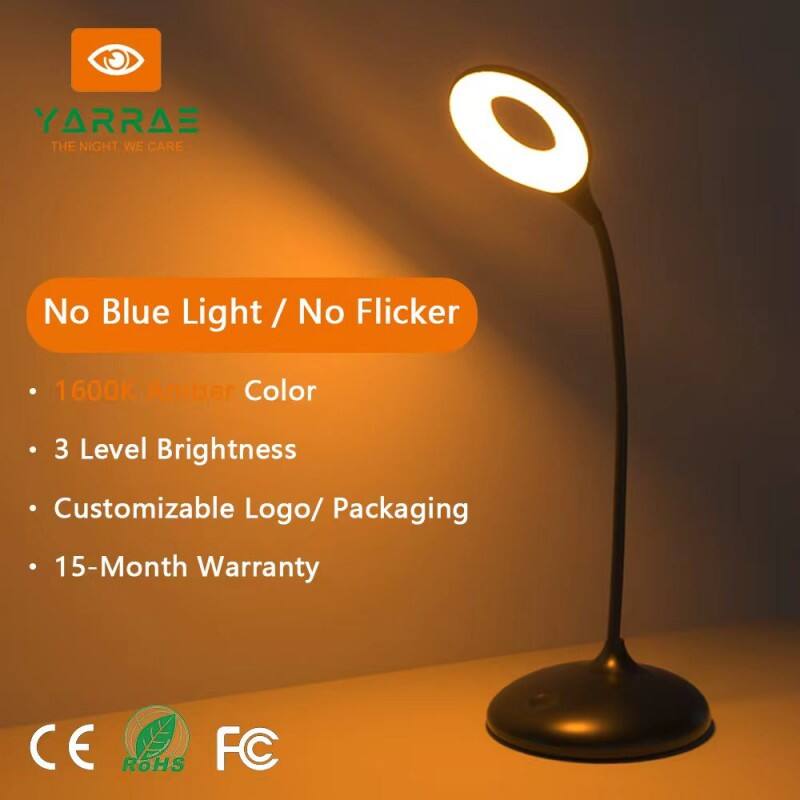
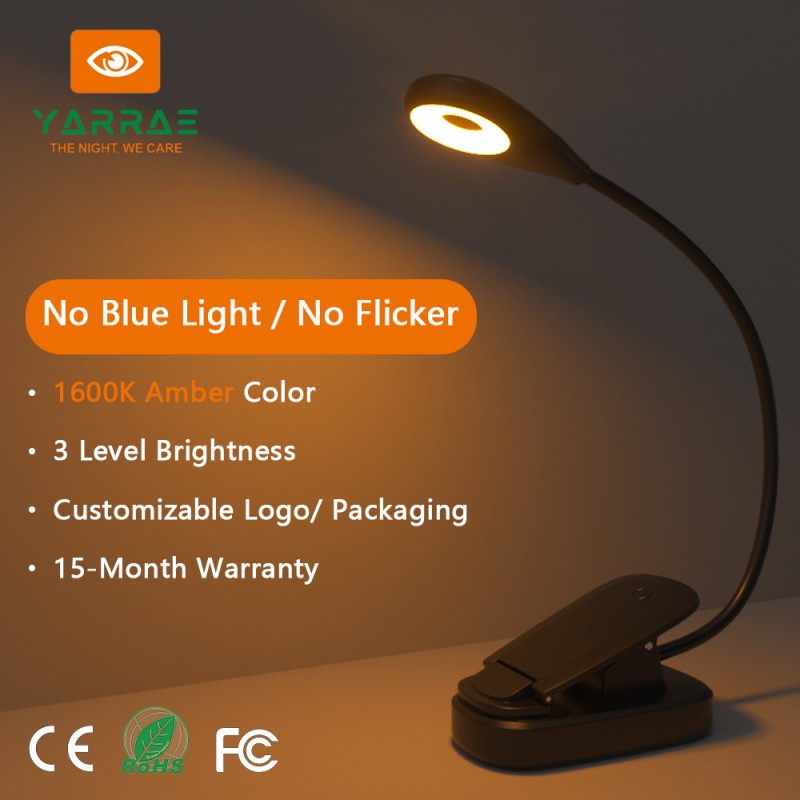
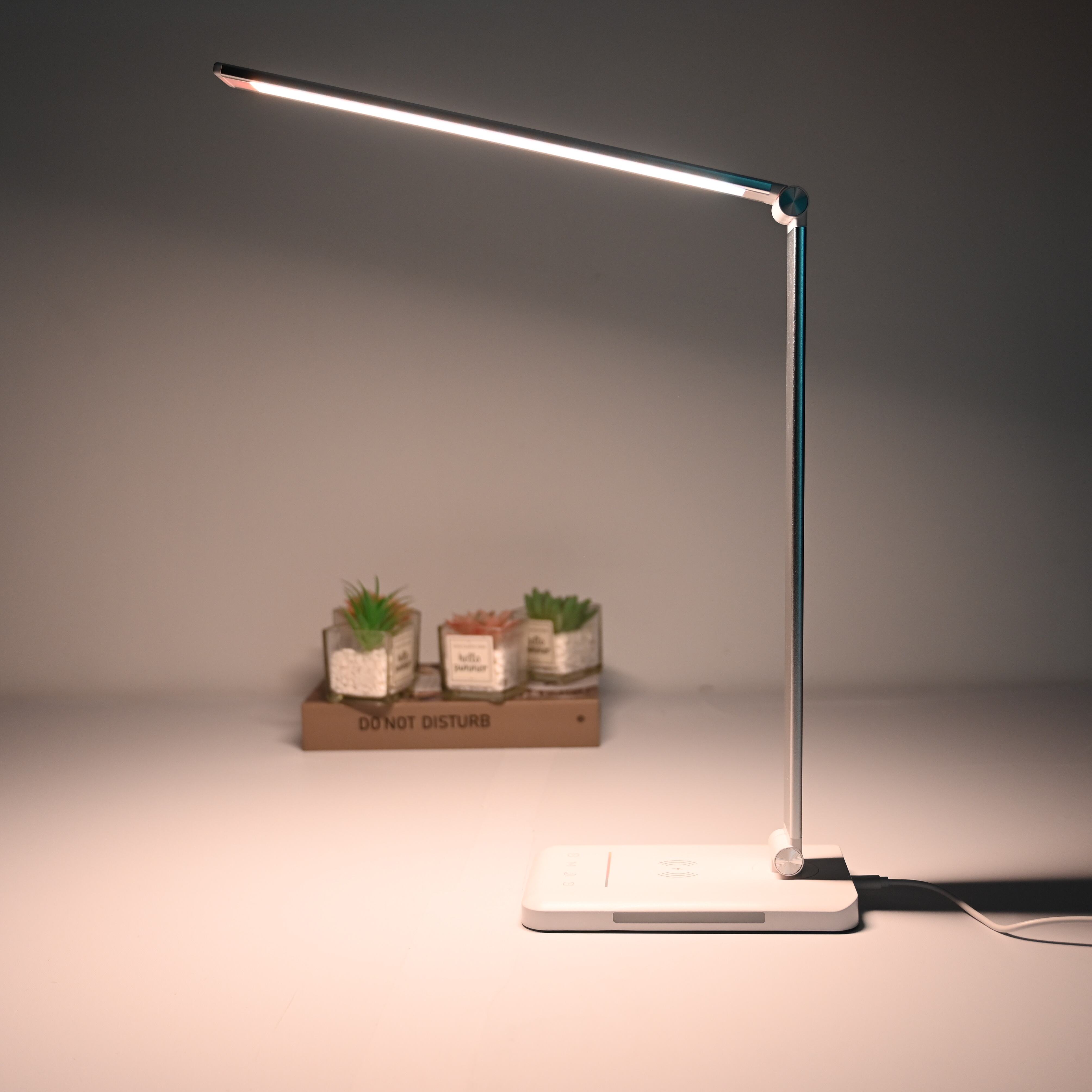
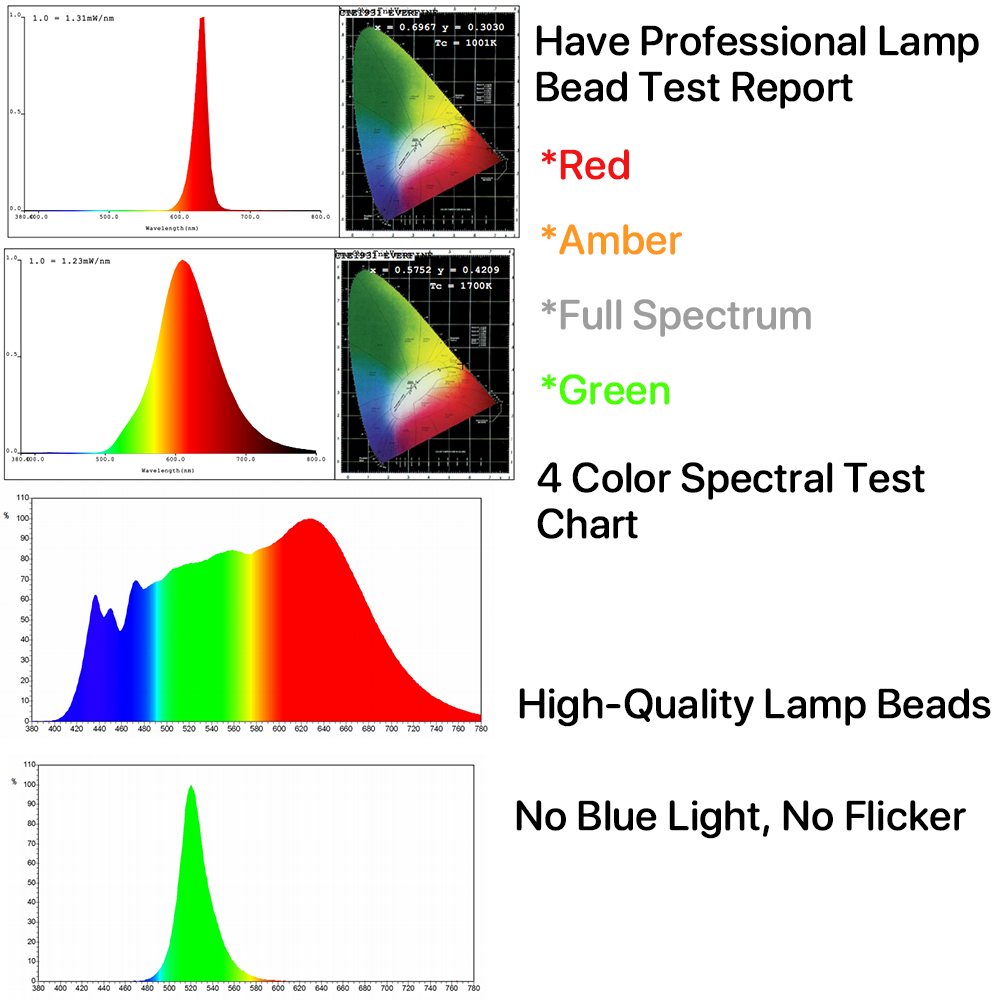
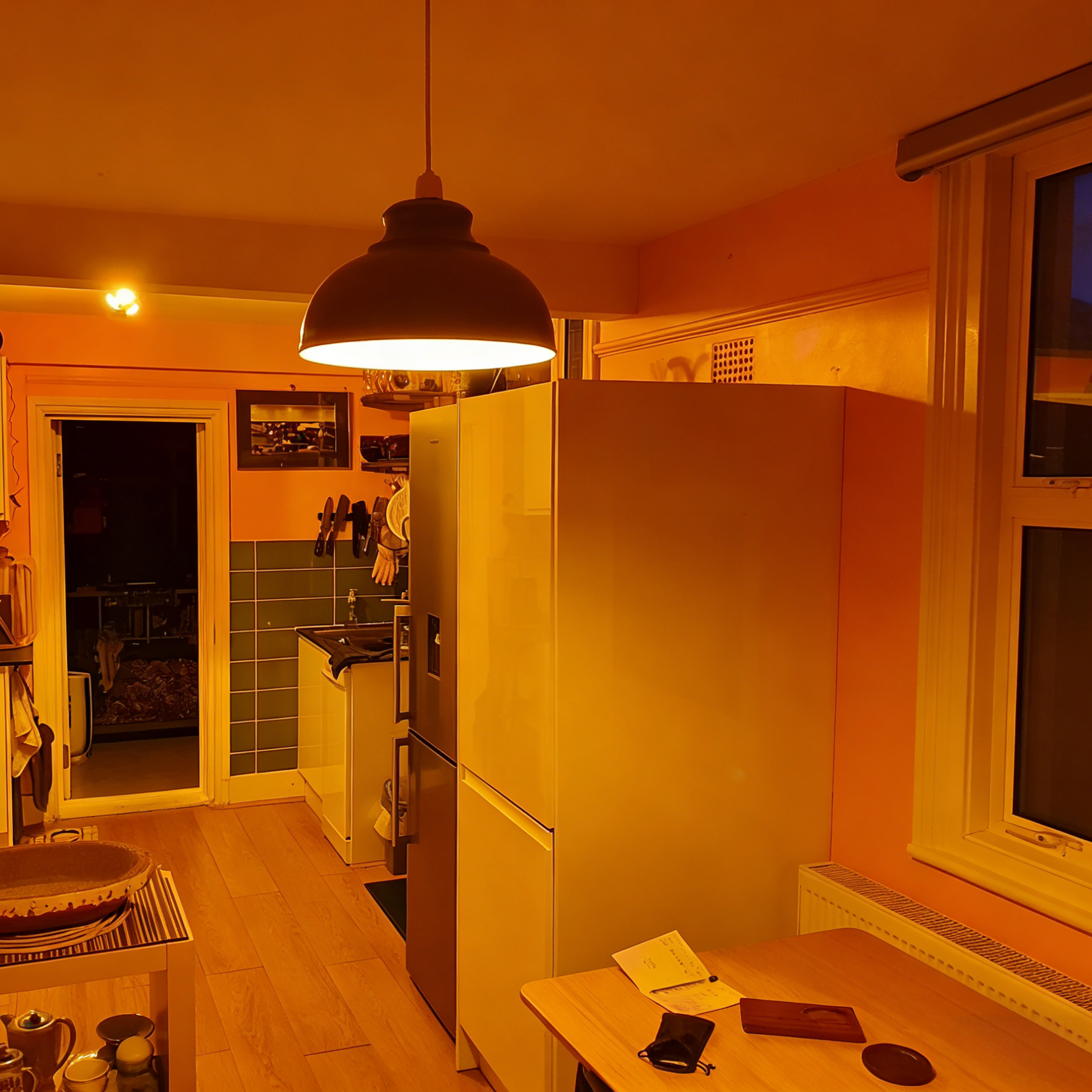
No blue light technology represents a revolutionary advancement in display and lighting systems designed to minimize exposure to harmful blue light wavelengths. This innovative technology specifically targets the 415-455 nanometer range of blue light spectrum, which research has shown can disrupt circadian rhythms and potentially cause digital eye strain. The no blue light approach incorporates specialized filtering mechanisms, advanced LED configurations, and intelligent software algorithms to create displays and lighting solutions that prioritize user wellness without compromising visual quality. The core functionality of no blue light systems involves selective wavelength filtering that removes or significantly reduces the most problematic blue light frequencies while preserving beneficial blue light that supports alertness and mood regulation during appropriate hours. Modern no blue light implementations utilize cutting-edge technologies including quantum dot filters, specialized phosphor coatings, and dynamic spectrum adjustment capabilities. These systems can automatically adapt their light output based on time of day, ambient lighting conditions, and user preferences. The technological foundation relies on precise optical engineering that maintains color accuracy while eliminating potentially disruptive wavelengths. Applications for no blue light technology span numerous industries and use cases, from computer monitors and smartphone displays to overhead lighting systems and television screens. Healthcare facilities increasingly adopt no blue light solutions to support patient recovery and staff wellness. Educational institutions implement these systems to reduce student eye fatigue during extended study sessions. Office environments benefit from no blue light technology by potentially improving employee productivity and reducing complaints of digital eye strain. The gaming industry has embraced this technology to enhance long-duration gaming experiences. Smart home systems integrate no blue light capabilities to create healthier living environments that support natural sleep cycles. Manufacturing facilities use specialized no blue light industrial displays to reduce worker fatigue during precision tasks. The technology continues evolving with emerging applications in automotive displays, wearable devices, and medical equipment.

New Product Recommendations

The advantages of no blue light technology deliver tangible benefits that directly impact daily life and long-term health outcomes. Users consistently report improved sleep quality when using no blue light devices during evening hours, as these systems help maintain natural melatonin production cycles that blue light exposure typically disrupts. This improvement in sleep patterns leads to better overall health, enhanced cognitive function, and increased daytime alertness. Eye comfort represents another significant advantage, with many users experiencing reduced symptoms of digital eye strain including dry eyes, headaches, and blurred vision after extended screen time. The technology allows for longer periods of comfortable device usage without the fatigue traditionally associated with conventional displays. Productivity benefits emerge as workers can maintain focus for extended periods without experiencing the visual discomfort that typically necessitates frequent breaks from screen-based tasks. No blue light technology also supports better circadian rhythm regulation, helping users maintain healthy sleep-wake cycles even in environments with extensive artificial lighting. The technology proves particularly valuable for shift workers and individuals who must use devices during nighttime hours for professional or personal reasons. Parents find no blue light devices especially beneficial for children, as younger eyes are more sensitive to blue light exposure and developing circadian rhythms require careful protection. The technology offers flexibility through adjustable settings that can be customized for different activities, times of day, and individual sensitivity levels. Energy efficiency represents an often overlooked advantage, as no blue light LED systems typically consume less power than traditional lighting while providing superior color rendering and visual comfort. The reduced need for additional filtering accessories or prescription blue light glasses makes no blue light technology a cost-effective solution for comprehensive eye protection. Professional environments benefit from reduced worker fatigue and potentially lower healthcare costs related to eye strain and sleep disorders. The technology integrates seamlessly into existing workflows and device ecosystems without requiring significant behavioral changes from users. Long-term benefits include potentially reduced risk of retinal damage and age-related eye conditions, though ongoing research continues to explore these protective effects. The improved visual comfort enables users to maintain better posture and reduces the unconscious squinting and forward head positioning that often accompanies eye strain.

Practical Tips

Why is Neck Light Popular Among Professionals and Hobby Users Alike?

06

Feb

Why is Neck Light Popular Among Professionals and Hobby Users Alike?

The modern professional and hobbyist landscape has witnessed a remarkable shift towards hands-free lighting solutions, with the neck light emerging as an indispensable tool across diverse industries and personal applications. This innovative lighting...
View More
How Does Factory Customization Improve Night Light Quality and Consistency?

17

Feb

How Does Factory Customization Improve Night Light Quality and Consistency?

Manufacturing excellence in the lighting industry increasingly depends on factory customization strategies that enable precise quality control and consistent product outcomes. Modern lighting manufacturers leverage advanced factory customization tech...
View More
How Do Healthy Light Bulbs Use Full Spectrum to Mimic Natural Daylight?

16

Mar

How Do Healthy Light Bulbs Use Full Spectrum to Mimic Natural Daylight?

Modern lighting technology has revolutionized how we understand and replicate the benefits of natural daylight indoors. Full spectrum light bulbs represent a breakthrough in illumination science, designed to closely mimic the complete range of light ...
View More
How Does Full Spectrum Light Support Natural Visual and Biological Rhythms?

20

Mar

How Does Full Spectrum Light Support Natural Visual and Biological Rhythms?

In our modern world, we spend countless hours indoors under artificial lighting that often fails to mimic the natural qualities of sunlight. This disconnect from natural illumination can significantly impact our visual comfort, circadian rhythms, and...
View More

Get a Free Quote

Our representative will contact you soon.
Email
Name
Tel
Company Name
Message
0/1000

no blue light

Advanced Spectrum Filtering Technology

Advanced Spectrum Filtering Technology

The cornerstone of effective no blue light systems lies in their sophisticated spectrum filtering technology that precisely targets harmful blue light wavelengths while preserving essential visual elements. This advanced filtering approach utilizes multiple layers of optical engineering to achieve optimal results without compromising color accuracy or brightness. The technology employs specialized coatings and filters that selectively block wavelengths in the 415-455 nanometer range, which represents the most problematic portion of the blue light spectrum for circadian rhythm disruption and potential retinal stress. Unlike simple blue light filters that can create color distortion or reduce overall display quality, advanced no blue light technology maintains true color representation through carefully calibrated spectral curves that preserve the visual integrity of images, videos, and text. The filtering process occurs at the hardware level, ensuring consistent performance across all applications and usage scenarios. Modern implementations feature dynamic filtering capabilities that automatically adjust throughout the day, providing stronger blue light reduction during evening hours while maintaining optimal visibility during daytime use. The technology incorporates feedback mechanisms that monitor ambient lighting conditions and user behavior patterns to optimize filtering intensity for maximum effectiveness. This intelligent approach ensures that users receive appropriate protection without unnecessary limitations on device functionality. The spectrum filtering technology also addresses individual variations in blue light sensitivity by offering customizable settings that accommodate different age groups, occupations, and personal preferences. Professional-grade no blue light systems include advanced calibration tools that allow precise adjustment of filtering parameters to meet specific requirements for color-critical work environments. The technology maintains excellent performance across various viewing distances and angles, ensuring consistent protection regardless of how devices are positioned or used. Research-backed filter designs incorporate the latest scientific understanding of blue light effects on human physiology, with continuous updates to filtering algorithms as new research emerges. The durability of these filtering systems ensures long-term effectiveness without degradation in performance or color accuracy over time.
Comprehensive Eye Strain Reduction

Comprehensive Eye Strain Reduction

No blue light technology delivers comprehensive eye strain reduction through multiple complementary mechanisms that address the root causes of digital eye fatigue. The primary mechanism involves eliminating the high-energy blue light wavelengths that force eye muscles to work harder to maintain focus, as blue light scatters more readily within the eye than longer wavelengths. This reduction in accommodation stress allows the ciliary muscles responsible for focusing to relax, preventing the tension that contributes to eye strain headaches and blurred vision. The technology also minimizes pupillary response fluctuations that occur when eyes constantly adjust to varying blue light intensities, creating a more stable visual environment that reduces fatigue. By maintaining consistent light quality without harsh blue peaks, no blue light systems enable more comfortable extended viewing sessions with reduced blinking frequency changes that can lead to dry eye symptoms. The eye strain reduction benefits extend beyond immediate comfort to include improved visual performance metrics such as contrast sensitivity and reaction times during prolonged screen use. Users typically experience less frequent eye rubbing, reduced tearing, and decreased sensitivity to bright lights after using no blue light technology. The technology addresses multiple types of eye strain simultaneously, including accommodative strain from constant focusing adjustments, vergence strain from eye teaming efforts, and photostress from excessive light exposure. Professional validation through clinical studies demonstrates measurable improvements in eye comfort scores and reduced complaints of asthenopia symptoms among no blue light technology users. The comprehensive approach includes considerations for ambient lighting interactions, ensuring that no blue light displays work harmoniously with room lighting to create optimal visual environments. Extended benefits include reduced need for artificial tears, decreased prescription changes related to digital eye strain, and improved overall eye health markers in regular users. The technology proves particularly effective for individuals who spend extensive time on computers, mobile devices, or in artificially lit environments where traditional lighting sources contribute to cumulative eye stress. Implementation of no blue light technology often results in improved work productivity as users can maintain comfortable vision for longer periods without requiring frequent rest breaks.
Sleep Quality Enhancement System

Sleep Quality Enhancement System

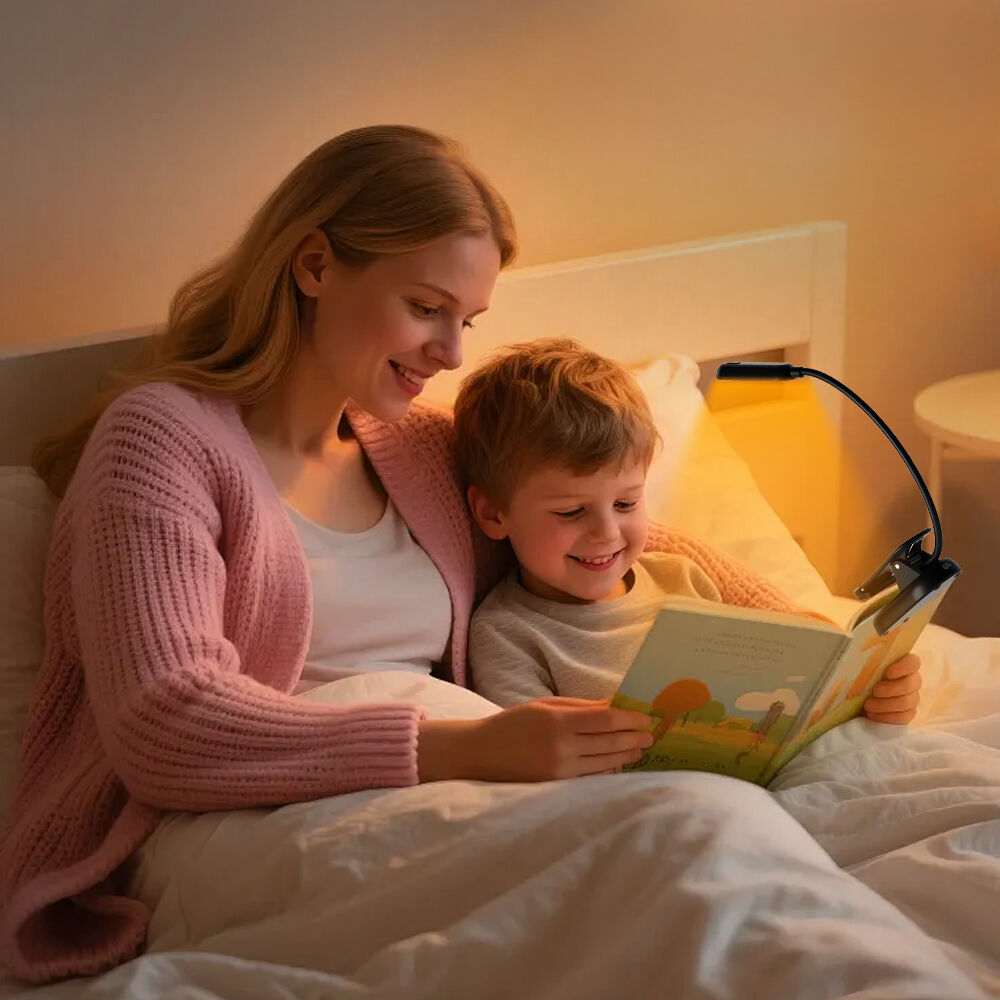
The sleep quality enhancement capabilities of no blue light technology represent one of its most significant health benefits, directly addressing the physiological mechanisms that regulate human circadian rhythms. Blue light exposure, particularly during evening hours, suppresses melatonin production in the pineal gland, disrupting the natural sleep-wake cycle that governs restorative sleep patterns. No blue light technology eliminates this disruption by removing the specific wavelengths most responsible for melatonin suppression, allowing the body to maintain its natural circadian rhythm even with continued device usage. The technology supports healthy sleep architecture by preserving the timing and intensity of natural melatonin release, which begins approximately two hours before intended bedtime. Users of no blue light systems consistently report faster sleep onset times, deeper sleep phases, and more refreshing sleep quality compared to using conventional displays during evening hours. The sleep enhancement effects compound over time, with regular users developing more stable sleep patterns and improved sleep efficiency ratings. Scientific research validates these benefits through polysomnographic studies showing improved REM sleep duration and reduced sleep fragmentation in participants using no blue light technology. The system accommodates different chronotypes and sleep schedules by offering customizable timing settings that align with individual circadian preferences and work requirements. Shift workers particularly benefit from the technology's ability to support sleep during unconventional hours by maintaining circadian rhythm integrity regardless of environmental lighting conditions. The sleep quality improvements extend beyond individual rest to include better cognitive performance, emotional regulation, and physical recovery processes that depend on adequate sleep. Families report improved household sleep patterns when no blue light technology is implemented across shared devices and lighting systems. The technology supports healthy sleep hygiene practices by reducing the sleep-disrupting effects of necessary evening device usage for work, communication, or entertainment. Long-term users often experience reduced dependence on sleep aids and improved natural wake times that align with their circadian preferences. The sleep enhancement system integrates with smart home technologies to coordinate lighting and device settings for optimal sleep preparation routines. Medical professionals increasingly recommend no blue light technology as a non-pharmaceutical intervention for sleep disorders related to modern lifestyle factors and occupational requirements involving evening screen time.

Get a Free Quote

Our representative will contact you soon.
Email
Name
Tel
Company Name
Message
0/1000