
 EN
EN


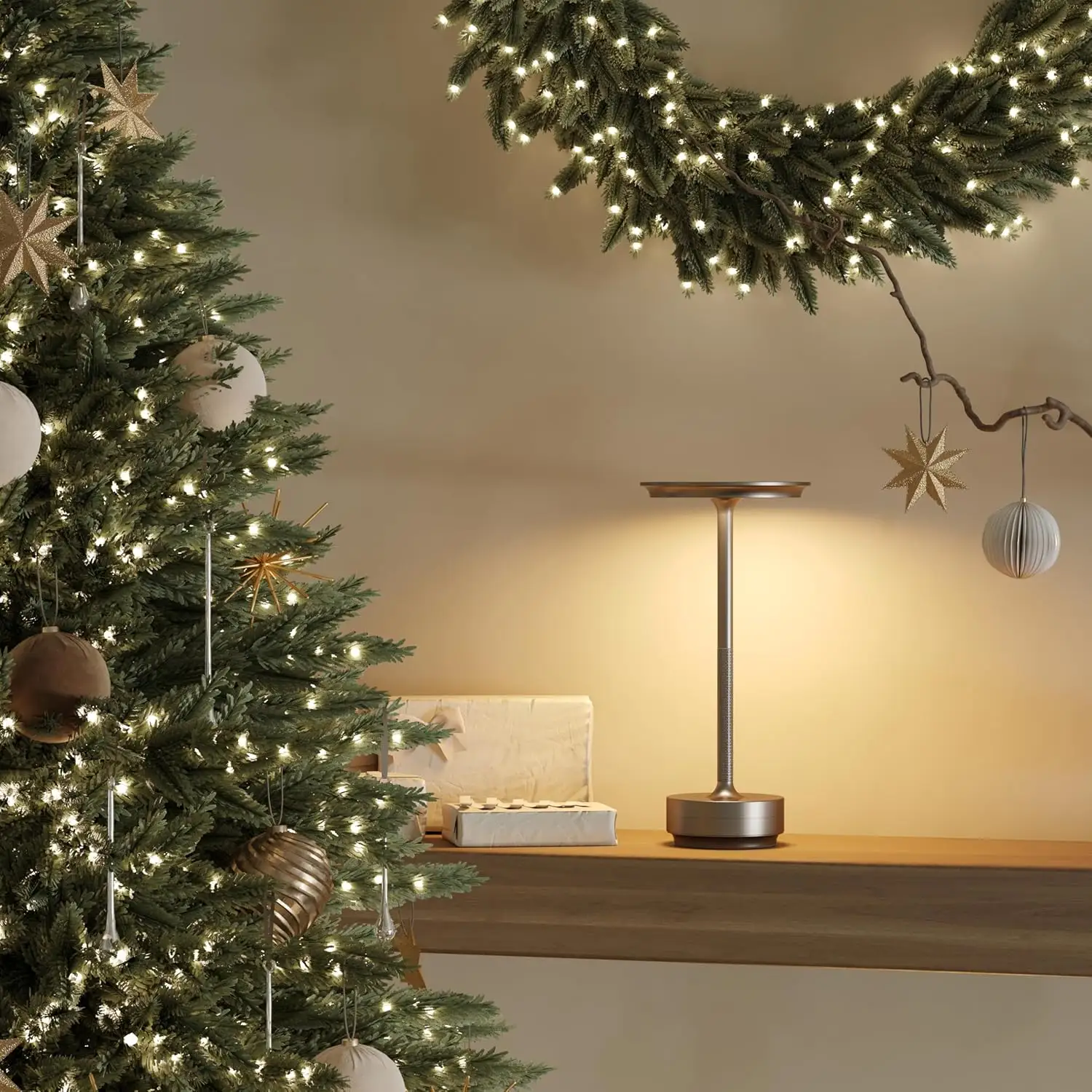
Å lese i lengre perioder stiller betydelige krav til øynene dine, og kvaliteten på lyset rundt deg spiller en sentral rolle for om disse timene føles behagelige eller utmattende. En godt valgt skrivebordslampe gjør langt mer enn bare å lyse opp en side. Den formger hele det visuelle miljøet, og reduserer kontrastutmattelse, flimmer og blending som samles opp under lengre leseøkter. Når folk opplever hodepine, uskarpe bilder eller tunge øyelokker etter lesing, er ofte en dårlig designet skrivebordslampe en bidragende faktor som går ubemerket.
Å forstå hvordan en bordlampe påvirker ditt visuelle system hjelper deg med å ta kloke valg når det gjelder belysning. Den riktige bordlampen gir jevn, diffus lysstyrke ved den riktige fargetemperaturen og lysstyrken, slik at pupillene dine holder seg avslappet og øyemusklene ikke overarbeider seg. I denne artikkelen forklares de viktigste mekanismene som gjør at en bordlampe reduserer øyestrain, og du får veiledning i hvordan du velger og plasserer en bordlampe som virkelig støtter lange leseperioder.
Lyskvalitet og hvordan en bordlampe påvirker visuell komfort
Rollen til fargetemperatur i en lesebordlampe
Fargetemperatur, målt i Kelvin, avgjør om en bordlampe emitterer varmt, nøytralt eller kaldt lys. For lesing anses en bordlampe med fargetemperatur mellom 2700 K og 4000 K som det mest behagelige lysspekteret. En bordlampe innstilt i det varme til nøytrale området etterligner naturlige dagslysforhold godt nok til å holde øynene avslappet uten å forårsake den overaktiviteten som er assosiert med svært kaldt, blåtonet lys. Når en bordlampe produserer lys som er for blått eller for skarpt, arbeider netthinnen hardere med å behandle scenen, noe som akselererer tretthet.
En fullspektral skrivebordslampe er spesielt effektiv fordi den etterligner den balanserte bølgelengdefordelingen i naturlig sollys. Med en fullspektral skrivebordslampe oppfatter øynene dine tekst med skarpere kontrast og mer nøyaktig tonaldybde, noe som betyr at ditt visuelle system kan lese med mindre innsats. Derfor gir det en målbar forskjell å investere i en skrivebordslampe som er utformet for å gi fullspektral lysutgang for alle som leser i én time eller mer om gangen.
Flikkerfri lysutgang og avslapping av øyemuskulaturen
Mange mennesker ser bort fra flimmer når de vurderer en skrivebordslampe, men usynlig flimmer er en av de mest konsekvente utløserne av øyestrain i forbindelse med lesing. En skrivebordslampe av lav kvalitet som flimrer, selv ved høy frekvens, tvinger øyemusklene til å gjøre mikrojusteringer kontinuerlig. Etter én time samler disse mikrojusteringene seg opp til ekte tretthet. En skrivebordslampe av høy kvalitet bruker avansert driverkrets for å levere flimmerfri lysutgang og holder lyset helt stabilt fra første til siste minutt. Når du bruker en flimmerfri skrivebordslampe, opprettholder øynene en jevnere fokus, og muskelspenningen bak øynene reduseres merkbart.
Lysstyrke, plassering og innstilling av skrivebordslampe for lesing
Valg av riktig lysstyrkenivå for din skrivebordslampe
Lysstyrke er en av de mest justerbare og viktigste variablene som en skrivebordslampe tilbyr. En skrivebordslampe som er for svak tvinger pupillene dine til å utvide seg overdreven mye, slik at de siliære musklene må anstrenges for å opprettholde fokus på små tekster. Omvendt skaper en skrivebordslampe som er for lys glans på sidens overflate, noe som fører til at man kneiper sammen øynene og opplever kontrastubehag. Den ideelle skrivebordslampen for lesing gir justerbar lysstyrke, slik at du kan tilpasse lysutgangen til omgivelsenes belysningsforhold. Ved lesing om dagen nær et vindu gir en skrivebordslampe med lavere lysstyrke beskyttelse mot overbelysting. Ved lesing om kvelden i et mørkt rom sikrer en skrivebordslampe med høyere innstilling at øynene dine aldri må slite med å oppnå tilstrekkelig kontrast.
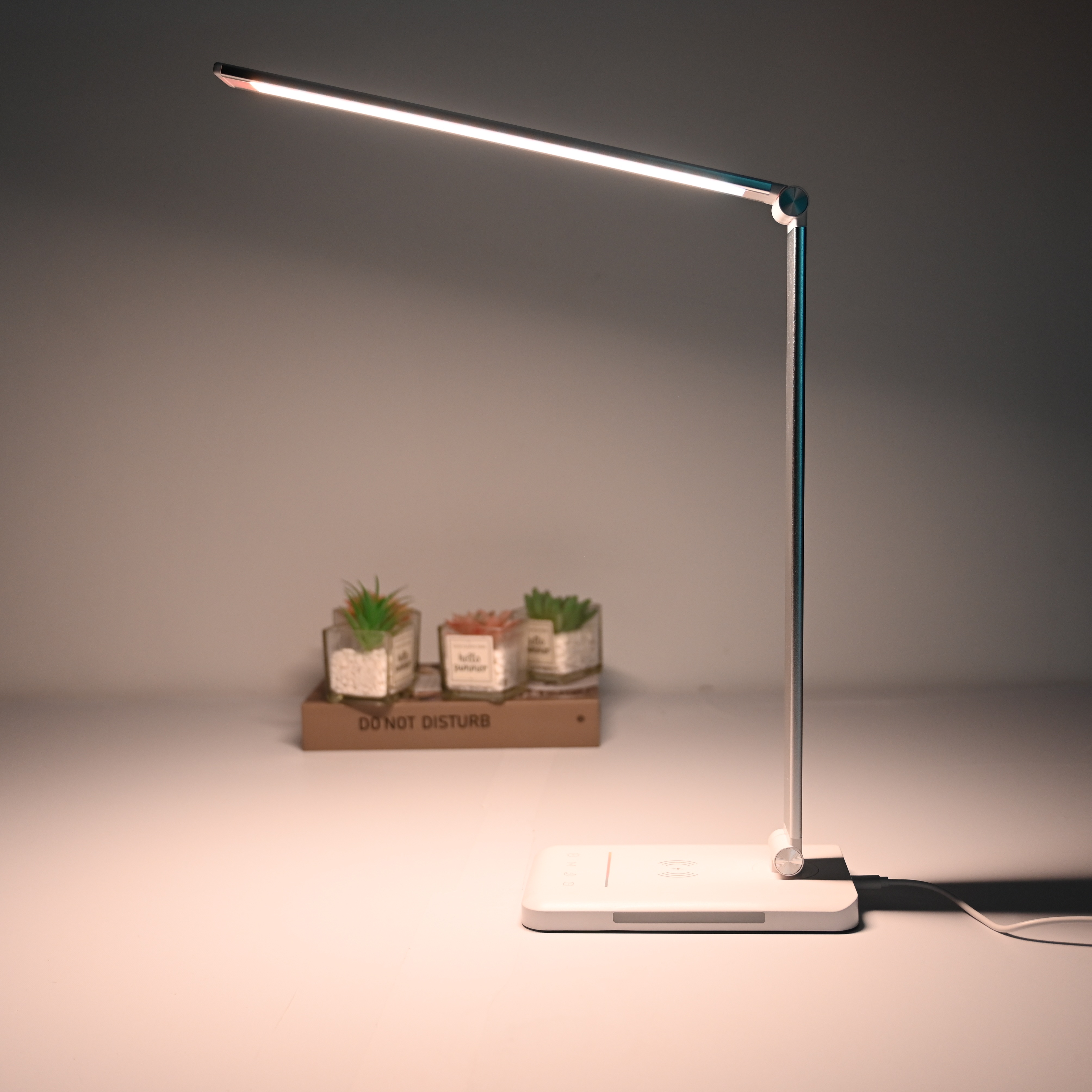
Justerbar lysstyrke er en funksjon som bør prioriteres i enhver skrivebordslampe som skal brukes til lesing. Når en skrivebordslampe tilbyr trinnløs eller flertrinns justering av lysstyrken, beholder du full kontroll over det visuelle miljøet uansett tid på døgnet. En skrivebordslampe uten justerbar lysstyrke tvinger øynene dine til å tilpasse seg gjentatte ganger når omgivelseslyset endrer seg, noe som er en unngåelig kilde til belastning.
Hvor du plasserer skrivebordslampen din er viktig
Å plassere en skrivebordslampe feil kan undergrave selv den beste lyskvaliteten. En bordlampe plassert rett foran deg på øyehøyde skaper den glans som reflekteres fra siden mot ansiktet ditt. Den riktige fremgangsmåten er å plassere en bordlampe til siden av din ikke-dominerende hånd, litt nedadrettet mot lesesiden. Denne plasseringen av bordlampen minimerer reflekterende glans og sikrer at lysstrålen dekker siden jevnt. For høyrehendte lesere reduserer en bordlampe plassert til venstre skyggen fra hånden over teksten. Riktig plassering av bordlampe er en enkel, kostnadsfri justering som betydelig forbedrer komforten under lange lesesessioner.
Fullspektrum-bordlamper og langvarig øyhelse
Hvorfor fullspektrum-utgang gjør en bordlampe mer effektiv
En fullspektral skrivebordslampe støtter øyehelsen utover enkel lysstyrke ved å gi et lyspektrum som det menneskelige synssystemet er biologisk tilpasset å behandle effektivt. Standardmodeller av LED-skrivebordslamper har ofte et smalt spektralt utslipp med en topp i blått spekter og mangler i røde og grønne bølgelengder. Disse manglene tvinger øyet til å kompensere, noe som bidrar til tretthet og redusert fargenøyaktighet. En fullspektral skrivebordslampe fyller ut disse manglene og produserer et kontinuerlig og balansert spektrum som gjør at øyet kan oppfatte dybde, kontrast og farger med minimal anstrengelse.
For personer som leser i flere timer daglig, enten for yrkesmessige, akademiske eller fritidsformål, er valg av en skrivebordlampe med fullspektrumfunksjonalitet en langsiktig investering i visuell helse. En fullspektrum-skrivebordlampe bidrar også til å opprettholde en sunn døgnrytme når den brukes på dagtid, siden dens lysutgang likner mer på det naturlige lyset kroppen forventer. Over uker og måneder med daglig bruk kan den riktige skrivebordlampen betydelig redusere den akkumulerte øyestrainen som oppstår ved suboptimale belysningsforhold.
Material og skjermdesign i en kvalitets-skrivebordlampe
Skyggen fra en bordlampe spiller en avgjørende rolle for hvordan lyset fordeler seg over leseområdet. En bordlampe med matt eller diffuserende skjerm spreder lyset mykt over et stort område, i stedet for å projisere en hard, konsentrert stråle. Denne diffusjonen fra skjermen på bordlampen unngår «hot spots» på siden og reduserer skarpe lysendringer som fører til at øyet må tilpasse seg kontinuerlig. En velutformet skjerm på bordlampe skjermer også pæren fra direkte syn, noe som eliminerer ubehag ved å se direkte mot en naken lyskilde ved en tilfeldighet under lesing.
Ofte stilte spørsmål
Hvilken fargetemperatur bør en bordlampe ha for lesing?
En bordlampe for lesing fungerer best i temperaturintervallet 2700 K til 4000 K. Denne fargetemperaturen gir varmt til nøytralt hvitt lys som er behagelig for lengre lesesessioner uten å føre til øyemtthet knyttet til ekstremt kalde eller ekstremt varme farger.
Hvor langt unna leseflaten bør en bordlampe plasseres?
En bordlampe er mest effektiv når den er plassert slik at lyskilden ligger ca. 40–50 cm over lesesiden. Ved denne høyden gir en bordlampe bred og jevn belysning uten å skape sterke skygger eller blending på siden.
Kan en bordlampe hjelpe hvis jeg allerede opplever øyeforstavelse ved lesing?
Ja. Å bytte til en høykvalitets bordlampe med fullspektrumlys, flikkerfri teknologi og justerbar lysstyrke kan redusere eksisterende symptomer på øyeforstavelse betydelig. Selv om en bordlampe ikke er en medisinsk behandling, forbedrer en bedre belysningsmiljø en av de vanligste miljømessige årsakene til øyeforstavelse knyttet til lesing.