×
×
Choosing a nighttime lamp is about more than appearance. Light color, minimum brightness, dimming method, battery runtime and control design all affect how practical and comfortable a lamp feels after dark.
A lamp for bedtime relaxation will not have the same requirements as a reading lamp, nursery light or hotel table lamp. This guide explains how to choose the right nighttime lighting solution for different applications.
Before comparing technical specifications, identify the main use of the lamp.
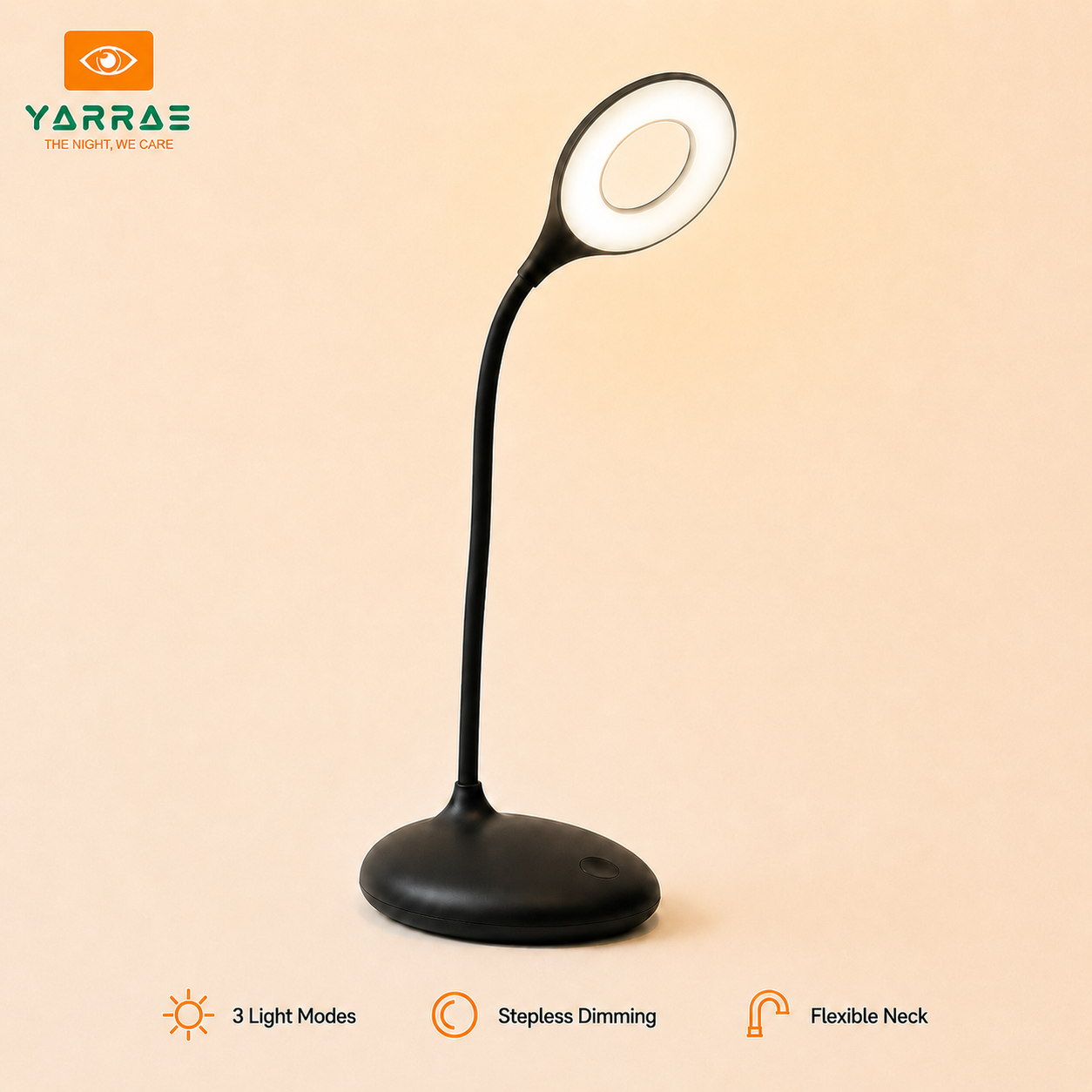
A bedside lamp should create a soft atmosphere without filling the room with harsh white light. Red or deep amber light, low minimum brightness, smooth dimming and a diffused light surface are usually the most important features.
Rechargeable designs are also useful because they reduce visible cables and allow flexible placement on bedside tables, shelves or side cabinets.
For getting out of bed or checking on a child, the lamp should provide enough visibility without making the whole room feel overly bright.
Low-level red or amber light is suitable for these situations. Tap, touch or remote control can also make the lamp easier to operate in the dark.
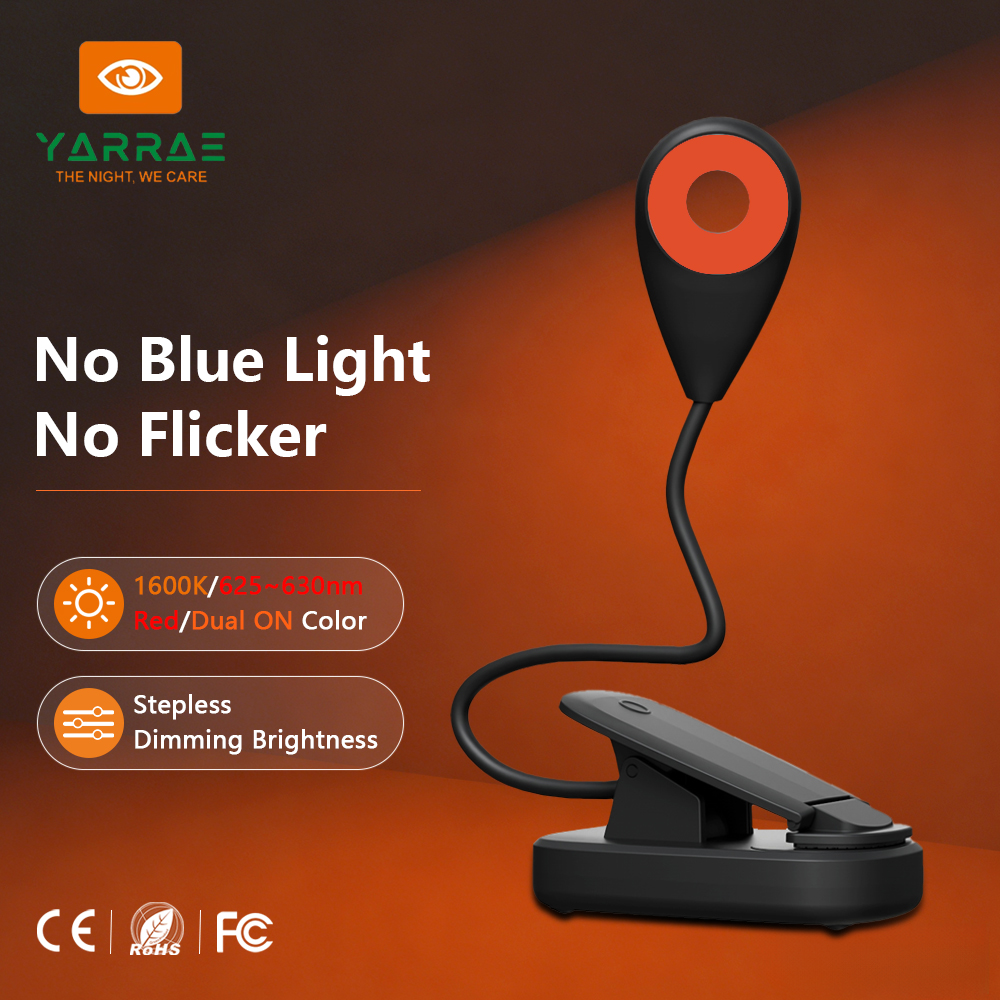
Reading requires clearer and more focused illumination. A good reading lamp should offer adjustable brightness, even light distribution, low glare and a flexible lamp head or neck.
A 1600K amber light can work well for relaxed bedtime reading, while a 4000K full-spectrum light is more suitable when clear detail and concentration are important.
In hotels, restaurants and modern homes, lighting is also part of the interior design. Rechargeable metal table lamps are popular because they combine portability with a clean, cable-free appearance.
Commercial buyers should consider not only light output but also surface finish, battery performance, charging method, product stability and customization options.
Our current lighting solutions include 625–630 nm red light, 1600K amber light and 4000K full-spectrum light. Each option serves a different purpose.
Red light creates a deep nighttime atmosphere and is suitable for:
A well-designed red-light product should produce a consistent red color across the entire illuminated surface. The diffuser should reduce visible LED points and avoid bright hotspots.
Because red light is often used at low brightness, the quality of the lowest dimming level is especially important.
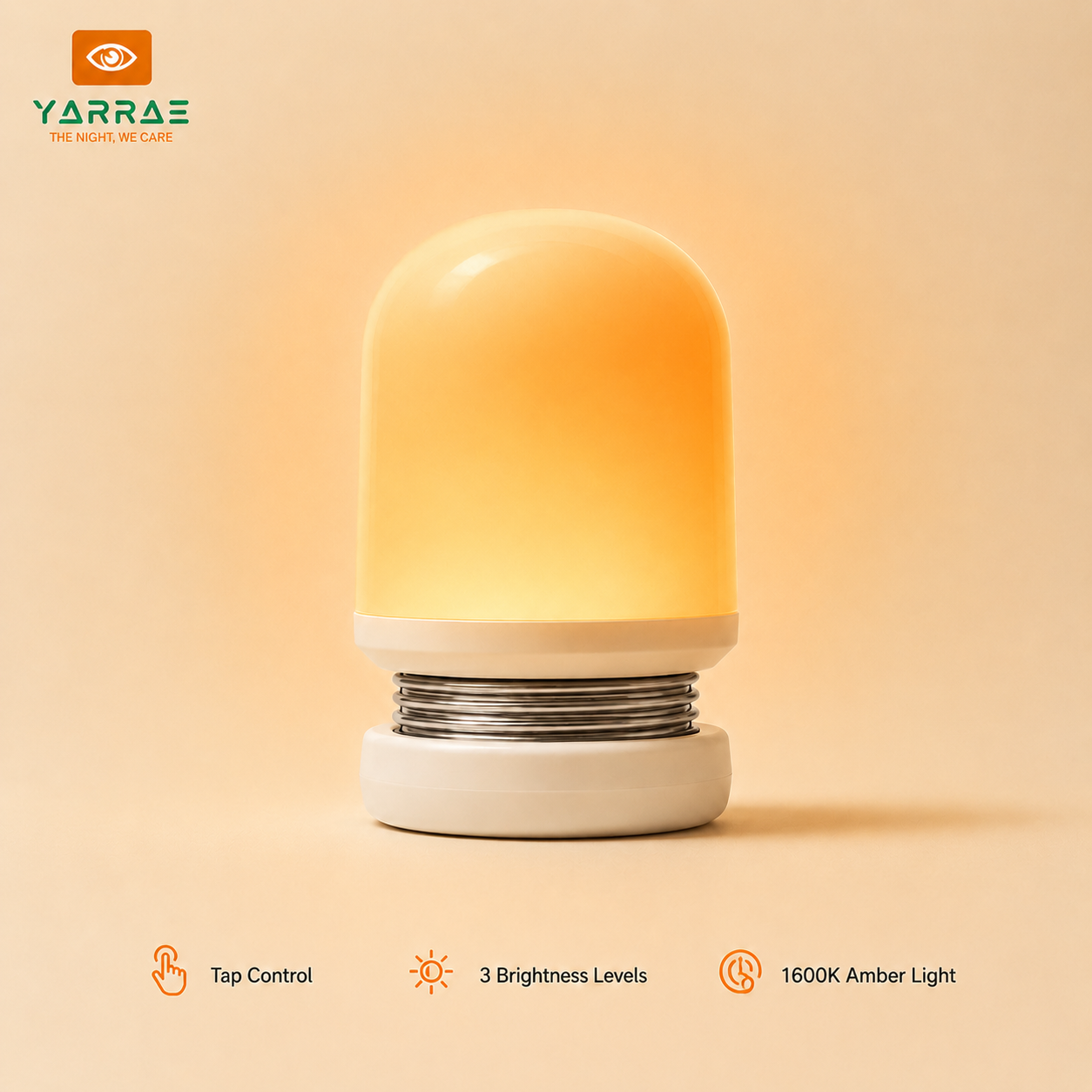
A 1600K amber lamp produces a deeper orange tone than standard 2700K or 3000K warm white lighting.
It is suitable for:
Compared with pure red light, amber light usually makes it easier to recognize objects and printed text. It still creates a much warmer atmosphere than ordinary white light, making it one of the most versatile options for nighttime use.
It can be applied to rechargeable table lamps, clip-on reading lights, sensor lights, portable night lamps and custom bulbs.
Warm white light is familiar and widely accepted. It works well for general bedroom, living-room and hotel lighting.
Its main advantage is versatility, although it is less distinctive than red or 1600K amber light.
A 4000K full-spectrum light is better suited to tasks that require clarity, such as:
It is usually more appropriate for task lighting than for a low-light bedtime atmosphere.
For multifunctional lamps, combining 4000K full-spectrum light with red or amber modes gives users greater flexibility throughout the day.
| Light Color | Recommended Applications | Main Benefit |
|---|---|---|
| 625–630 nm Red | Night waking, nursery care and ambient lighting | Deep low-light atmosphere |
| 1600K Amber | Bedside use, relaxation and bedtime reading | Warmth with better visibility |
| 2700K–3000K Warm White | General bedroom and home lighting | Broad everyday use |
| 4000K Full Spectrum | Reading, office and task lighting | Clear detail visibility |
For nighttime use, the lowest brightness level is often more important than the maximum output.
A good night lamp should provide:
Some products use stepped brightness settings such as 5%, 12.5%, 25%, 50% and 100%. Others use a simpler three-level system such as 25%, 50% and 100%.
A three-level system is suitable for simple portable lights, while a five-level system offers more flexibility between soft ambient lighting and brighter reading light.
Step dimming uses fixed brightness levels. It is simple, predictable and easy to operate, making it suitable for tap-controlled night lamps and basic bedside lights.
Stepless dimming allows continuous adjustment within a defined range, such as 10% to 100%. It is often controlled by pressing and holding a button or touch area.
Stepless dimming is useful when users need more precise control for reading, relaxation or different room sizes.
For multicolor lamps, buyers should confirm whether every light mode supports dimming.
Brightness percentage alone does not determine comfort. A lamp may still feel unpleasant if individual LED points are visible, the center is much brighter than the edges or the light shines directly into the user’s eyes.
A well-designed diffuser should create a clean, uniform illuminated surface.
Materials such as ABS and PC are commonly used in portable lamps because they offer low weight, impact resistance and flexible light-diffusion options. The final material should be selected according to the product structure, optical design and target market.
Battery capacity does not equal actual runtime.
Runtime also depends on:
Our current rechargeable products may use 1000 mAh, 1800 mAh or 2600 mAh batteries. Depending on the model and brightness level, operating ranges may include 7–28 hours, 4.5–18 hours or 4.5–50 hours.
These figures should always be stated by model because runtime at low brightness can be much longer than runtime at maximum output.
When comparing rechargeable lamps, buyers should check:
Different controls suit different products.
Touch control works well for table lamps and bedside lamps. It provides a clean appearance and fast brightness adjustment.
Tap control is useful for portable night lamps and nursery lights because the user does not need to find a small button in the dark.
Rear-mounted buttons are suitable for clip-on reading lights. A short press can change the light color, while a long press can adjust brightness.
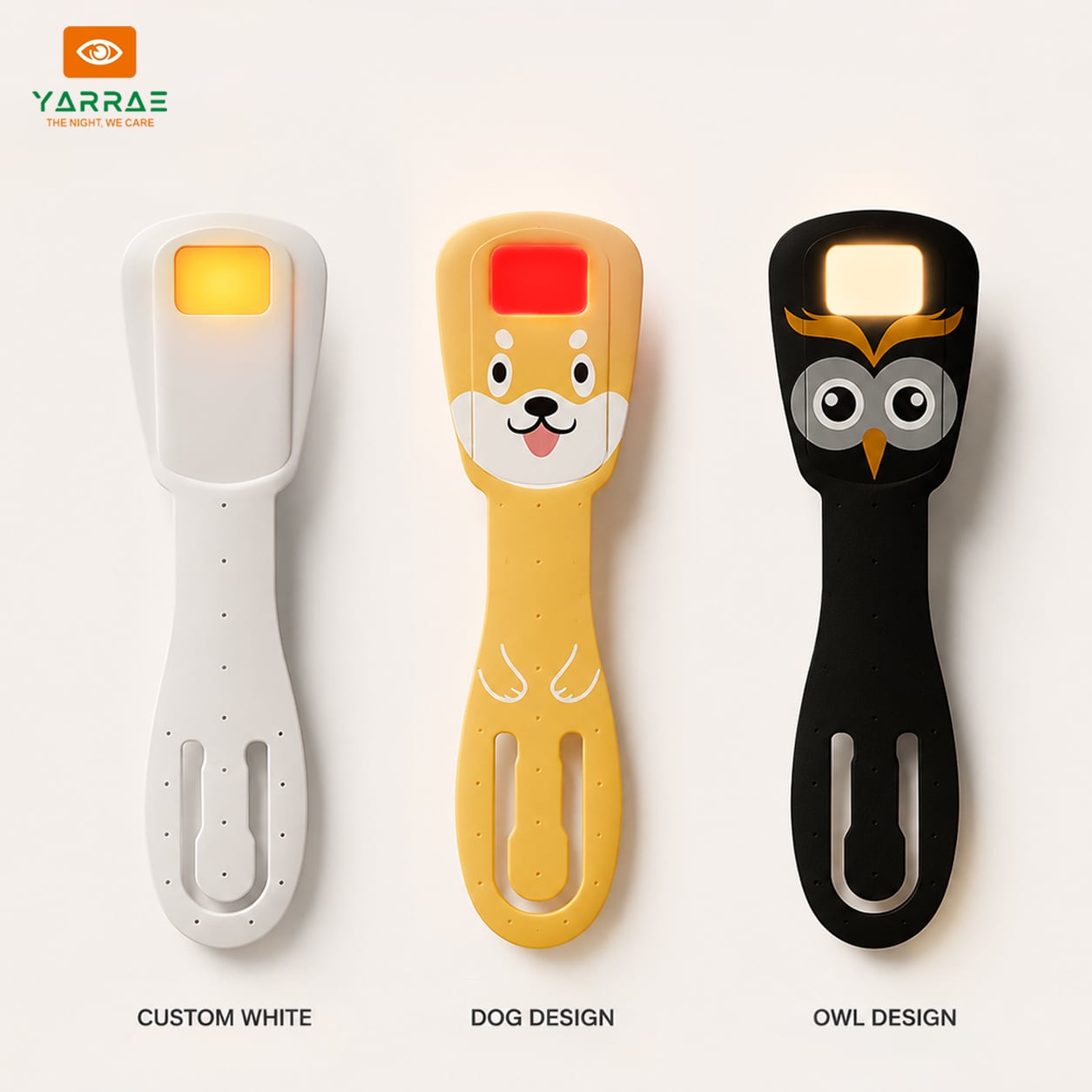
A multifunctional reading light may switch between 625–630 nm red, 1600K amber and red-and-amber mixed light.
Remote control is suitable for lamps with multiple light colors, brightness settings and timer functions, such as 30-, 60- and 120-minute timers.
Suitable for bedrooms, hotels, restaurants, living-room side tables and home offices. Metal housings can provide a more premium appearance.
Suitable for bedside use, nursery care, travel and nighttime walking. Compact ABS designs help reduce weight and improve durability.
Suitable for localized reading. Important features include a stable clip, flexible neck, adjustable brightness and even illumination.
Suitable for hallways, bathrooms, stairways, closets and bedside floor areas. Detection range and automatic shutoff time should match the installation environment.
These products combine lighting with interior styling and may use red, amber, mixed-color or multicolor modes.
For importers, distributors and private-label brands, product appearance is only one part of the decision.
Confirm:
For red-light products, confirm whether the actual wavelength meets the required 625–630 nm range. For amber products, confirm that the final tone is truly 1600K rather than ordinary warm white.
Check whether:
Evaluate housing material, diffuser quality, switch durability, charging-port stability, lamp-head flexibility and overall balance.
Customization may include:
Applicable certification requirements depend on the product design and target market. Depending on the project, these may include CE, RoHS, EMC, LVD, FCC, SAA and battery-related transport documentation.
There is no single best option. Red light is suitable for very low-light environments, while 1600K amber offers a warmer atmosphere with better object visibility. A 4000K full-spectrum light is better for reading and detailed tasks.
Red light creates a deeper nighttime atmosphere. Amber light is generally more versatile for bedside use because it makes objects and text easier to see.
Runtime depends on battery capacity, power and brightness. A lamp may run for several hours at maximum output and much longer at a low nighttime setting.
Step dimming uses fixed brightness levels. Stepless dimming allows continuous adjustment across a defined range.
The right nighttime lamp should match the actual application.
Our product range includes 625–630 nm red-light products, 1600K amber-light products, red-and-amber mixed-light solutions, 4000K full-spectrum lamps, rechargeable night lights, reading lamps, sensor lights and portable table lamps.
We also support OEM and ODM customization for brands, importers and distributors. Custom options may include LED specifications, housing colors, brightness programs, battery configurations, controls, branding and packaging.
Looking for a customized nighttime lighting solution? Contact us to discuss product requirements, sample testing and OEM/ODM options.
 Hot News
2026-07-10
2026-06-12
2026-06-03
2025-12-20
2025-12-15
2025-12-10
Shenzhen Yarrae Technology provides certified LED healthy lighting for global brands. 20+ years expertise, 15-month warranty, ≤1% defect rate, fast 15–20 day lead times. Trusted by BlockBluelight, Hooga & Bon Charge. Get a quote in 3 hours.
Bantian Street,Bulong Road, Hongshengyuan Building C, Third Floor,C304, Shenzhen, Guangdong, China
Copyright © 2026 Shenzhen Yarrae Technology Co., Ltd. Beijing All rights reserved. Privacy Policy

 EN
EN