
 EN
EN




The global reading light market is experiencing unprecedented growth as digital transformation, remote work culture, and evolving lifestyle preferences reshape how people consume content. Contemporary consumers demand portable, energy-efficient lighting solutions that enhance their reading experience across diverse environments, from home offices to outdoor spaces. Understanding the key trends driving this surge in reading light demand reveals both immediate market opportunities and long-term shifts in consumer behavior patterns.
Multiple converging factors are simultaneously influencing the reading light industry, creating a complex landscape of consumer needs and technological innovations. The pandemic-driven shift toward home-based activities, combined with increased screen time awareness and wellness-focused purchasing decisions, has fundamentally altered how individuals approach personal lighting solutions. These trends extend beyond simple product preferences to reflect deeper changes in work-life integration, health consciousness, and environmental responsibility that define modern consumer expectations.
Digital Lifestyle Integration and Remote Work Culture
Home Office Optimization Requirements
The transition to remote and hybrid work models has created sustained demand for specialized reading light solutions that support extended desk-based activities. Professional workers require adjustable, focused illumination that reduces eye strain during long document reviews, contract analysis, and detailed research tasks. Modern reading light designs must accommodate multiple device configurations, from laptops and tablets to physical documents, ensuring consistent lighting quality across varied work surfaces.
Contemporary home office setups demand reading light solutions that integrate seamlessly with existing technology ecosystems while maintaining professional appearance standards for video conferences. Users increasingly prefer wireless, rechargeable models that eliminate desk clutter while providing reliable performance throughout extended work sessions. The growing emphasis on ergonomic workspace design has elevated reading light selection from purely functional consideration to essential productivity investment.
Remote work culture has also intensified focus on personalized lighting control, as individuals recognize the impact of proper illumination on concentration, mood, and overall work quality. This awareness drives demand for reading light products featuring adjustable color temperature, dimming capabilities, and precise beam control that adapts to changing natural light conditions throughout the workday.
Multi-Device Reading Environments
The proliferation of digital reading platforms has created complex lighting requirements as users switch between e-readers, tablets, smartphones, and traditional printed materials throughout their daily routines. Modern reading light solutions must provide consistent illumination quality across these diverse formats while minimizing glare and reflection that can interfere with screen visibility.
Contemporary consumers expect reading light products that accommodate both reflective and emissive display technologies, requiring sophisticated optical design that enhances readability without overwhelming ambient lighting conditions. The trend toward larger screen devices and multi-monitor setups has increased demand for adjustable, directional lighting that can illuminate specific areas without affecting overall room ambiance.
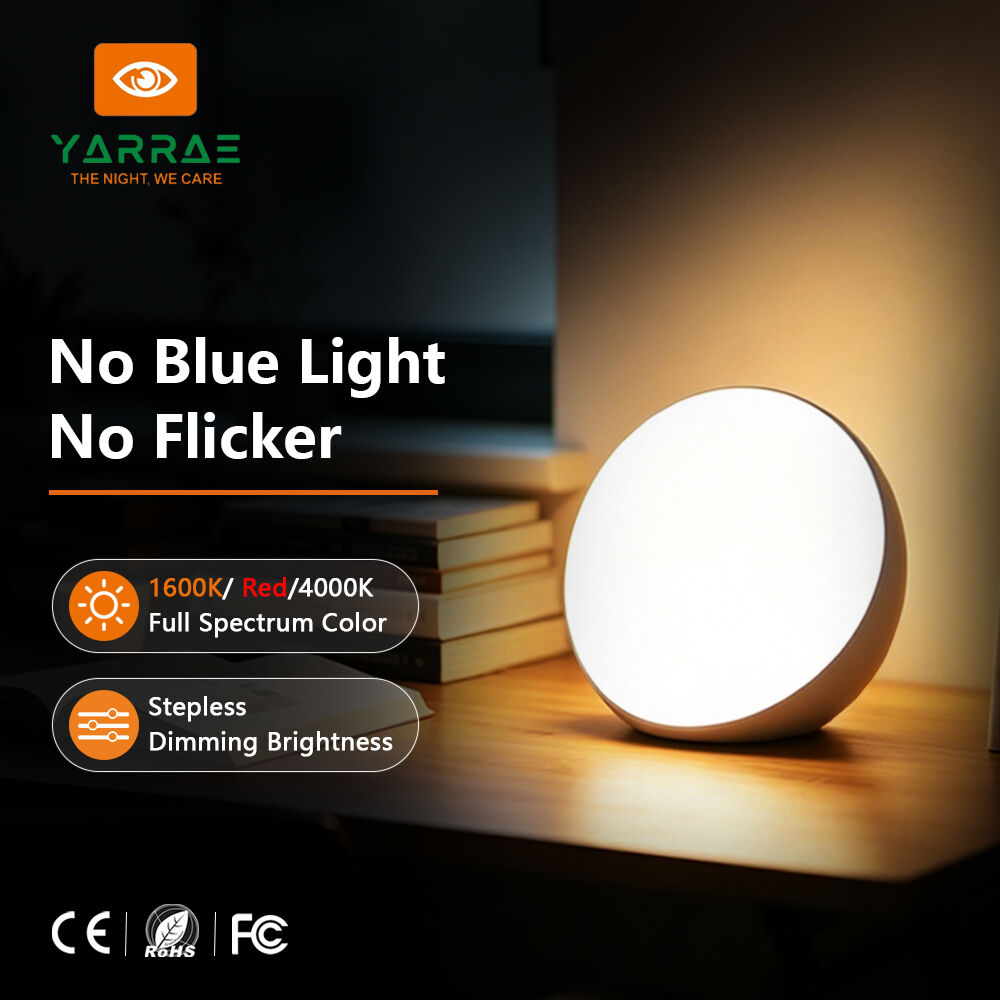
Cross-platform reading habits have also driven innovation in portable reading light design, as users require consistent lighting solutions that transition seamlessly between indoor and outdoor environments. This mobility requirement has accelerated development of compact, battery-powered models that maintain professional lighting quality while supporting diverse usage scenarios.
Health and Wellness Consciousness
Eye Strain Prevention and Visual Comfort
Growing awareness of digital eye strain and computer vision syndrome has positioned specialized reading light solutions as essential health protection tools rather than optional convenience products. Medical research highlighting the connection between inadequate lighting and eye fatigue has educated consumers about the importance of proper task illumination in maintaining long-term visual health.
The reading light market has responded with products featuring blue light filtering, flicker-free operation, and scientifically optimized color rendering that supports natural vision processes. These health-focused features address consumer concerns about prolonged screen exposure while providing comfortable illumination for traditional reading materials.
Healthcare professionals increasingly recommend dedicated task lighting as part of comprehensive eye care strategies, particularly for individuals with existing vision conditions or those engaged in detailed visual work. This professional endorsement has elevated reading light selection from aesthetic preference to medical necessity for many consumers.
Circadian Rhythm Management
Scientific understanding of circadian rhythm regulation has created demand for reading light products that support natural sleep-wake cycles through intelligent color temperature adjustment. Consumers increasingly seek lighting solutions that provide energizing daylight spectrum during morning and afternoon reading sessions while transitioning to warmer, sleep-promoting tones for evening use.
The integration of circadian lighting principles into reading light design reflects broader wellness trends emphasizing the connection between environmental factors and biological health. Modern products feature automatic or programmable color shifting that aligns with natural light patterns, helping users maintain healthy sleep schedules despite extended evening reading habits.
Sleep hygiene awareness has particularly influenced bedtime reading light preferences, with consumers actively seeking amber or red-spectrum options that minimize melatonin suppression. This health-conscious purchasing behavior has expanded the reading light market beyond traditional white light products to include specialized spectrum options designed for specific circadian support applications.
Sustainability and Energy Efficiency Priorities
Environmental Impact Considerations
Consumer environmental consciousness has fundamentally reshaped reading light market expectations, with buyers increasingly prioritizing products that demonstrate measurable sustainability benefits. LED technology adoption has accelerated as users recognize both immediate energy savings and long-term environmental impact reduction compared to traditional incandescent or fluorescent alternatives.
Sustainable manufacturing practices, recyclable materials, and minimal packaging have become significant purchase decision factors as environmentally aware consumers evaluate reading light options. Companies responding to these preferences with transparent sustainability reporting and eco-friendly design approaches are capturing growing market segments committed to reducing their environmental footprint.
The trend toward sustainable consumption has also increased interest in durable, repairable reading light designs that extend product lifecycles and reduce electronic waste. Consumers increasingly value modular construction, replaceable components, and upgrade capabilities that allow long-term product evolution rather than frequent replacement cycles.
Energy Cost Management
Rising energy costs have heightened consumer focus on reading light efficiency ratings and operational cost projections, transforming energy consumption from secondary consideration to primary selection criterion. LED reading light solutions offer compelling value propositions through dramatically reduced power requirements and extended operational lifespans compared to conventional lighting technologies.
Battery-powered reading light options provide additional cost benefits by eliminating ongoing electrical consumption while offering usage flexibility that fixed lighting installations cannot match. Solar charging capabilities and USB power compatibility further enhance the economic attractiveness of modern reading light solutions for cost-conscious consumers.
The integration of smart power management features, including automatic shutoff timers and motion sensors, demonstrates manufacturer responsiveness to consumer energy efficiency priorities while adding convenience benefits that justify premium pricing for advanced reading light models.
Technology Innovation and Smart Features
Wireless Connectivity and App Integration
Smart home ecosystem integration has become a significant reading light market driver as consumers seek lighting solutions that coordinate with existing automation systems and mobile device controls. Wireless connectivity enables remote adjustment, scheduling, and monitoring capabilities that enhance user convenience while supporting energy management objectives.
Mobile application control has transformed reading light interaction from simple on-off switches to sophisticated customization platforms that remember user preferences, track usage patterns, and provide maintenance alerts. These digital features appeal particularly to technology-adopting demographics who expect seamless integration between physical products and digital lifestyle management tools.
Voice control compatibility through popular smart assistants has further expanded reading light appeal by enabling hands-free operation during reading sessions. This accessibility feature benefits users with mobility limitations while providing general convenience that supports focused reading experiences without physical interruption.
Adaptive Lighting Intelligence
Ambient light sensors and automatic brightness adjustment represent significant technological advances that address traditional reading light limitations through intelligent environmental response. These features eliminate manual adjustment requirements while ensuring optimal illumination levels regardless of changing natural light conditions throughout extended reading sessions.
Machine learning algorithms increasingly enable reading light products to adapt to individual user preferences and usage patterns, creating personalized lighting experiences that improve over time. This artificial intelligence integration appeals to consumers seeking products that enhance their daily routines through thoughtful automation rather than requiring constant manual intervention.
Gesture control and proximity sensing technologies offer additional convenience benefits while supporting hygiene considerations that have gained importance in post-pandemic consumer preferences. Touch-free operation reduces surface contamination concerns while providing intuitive interaction methods that enhance the overall reading light user experience.
Portable and Flexible Design Requirements
Mobility and Travel Considerations
Increased travel frequency and mobile lifestyle preferences have created substantial demand for compact, lightweight reading light solutions that maintain performance quality across diverse usage environments. Business travelers, students, and recreational readers require portable lighting that performs consistently in hotel rooms, aircraft cabins, outdoor settings, and temporary workspace configurations.
Battery life optimization has become crucial for portable reading light success, with consumers expecting extended operation periods that support long flights, camping trips, and locations without convenient charging access. Rapid charging capabilities and multiple power source compatibility provide additional flexibility that appeals to users with unpredictable travel schedules and varying infrastructure availability.
Durability requirements for portable reading light products exceed those of stationary alternatives, as mobile use exposes devices to impacts, temperature variations, and moisture conditions that can compromise performance. Consumers increasingly value rugged construction and weather resistance that ensure reliable operation across challenging travel conditions.
Space-Efficient Installation Options
Urban living trends toward smaller residential spaces have increased demand for reading light solutions that maximize functionality while minimizing space requirements. Clip-on designs, magnetic mounting systems, and flexible positioning mechanisms enable effective task lighting in compact apartments, dormitories, and shared living situations where permanent installation options are limited.
Multi-functional reading light designs that incorporate additional features such as phone charging, storage compartments, or decorative elements appeal to space-conscious consumers seeking products that serve multiple purposes within constrained living environments. These integrated solutions provide enhanced value while reducing overall furniture and accessory requirements.
Temporary installation capabilities support rental housing situations and frequent relocation scenarios where permanent modification restrictions limit lighting improvement options. Reading light products featuring damage-free mounting systems and easy removal capabilities serve consumers who require flexible lighting solutions that adapt to changing living situations.
FAQ
What factors should consumers prioritize when selecting a reading light for modern needs?
Contemporary reading light selection should prioritize adjustable color temperature for circadian health support, sufficient brightness control for various reading materials, and energy-efficient LED technology for cost-effective operation. Portability features, battery life, and compatibility with digital devices are increasingly important considerations. Eye strain reduction capabilities, including flicker-free operation and blue light filtering, address growing health consciousness among consumers.
How do smart features in reading lights justify their higher price points?
Smart reading light features provide long-term value through energy savings from automated controls, enhanced convenience through app-based customization, and improved health outcomes from circadian rhythm support. Wireless connectivity enables integration with existing smart home systems, while automatic brightness adjustment reduces manual intervention requirements. These technological advantages justify premium pricing for users seeking optimized reading experiences and lifestyle integration benefits.
Why has the reading light market expanded beyond traditional book lighting applications?
Market expansion reflects changing consumption patterns that include digital device reading, remote work requirements, and multi-purpose task lighting needs. Modern reading lights serve laptop work, tablet viewing, craft projects, and detailed inspection tasks that extend beyond traditional book reading. The convergence of work and leisure activities in home environments has created demand for versatile lighting solutions that support diverse visual tasks throughout daily routines.
What role does sustainability play in current reading light purchasing decisions?
Environmental consciousness significantly influences reading light selection as consumers evaluate energy consumption, material sourcing, and product lifecycle impacts. LED technology adoption addresses immediate sustainability concerns through reduced power requirements and extended operational life. Recyclable construction materials, minimal packaging, and repairable design features appeal to environmentally aware buyers seeking products that align with their sustainability values and long-term environmental responsibility goals.
Table of Contents
- Digital Lifestyle Integration and Remote Work Culture
- Health and Wellness Consciousness
- Sustainability and Energy Efficiency Priorities
- Technology Innovation and Smart Features
- Portable and Flexible Design Requirements
-
FAQ
- What factors should consumers prioritize when selecting a reading light for modern needs?
- How do smart features in reading lights justify their higher price points?
- Why has the reading light market expanded beyond traditional book lighting applications?
- What role does sustainability play in current reading light purchasing decisions?