
 EN
EN



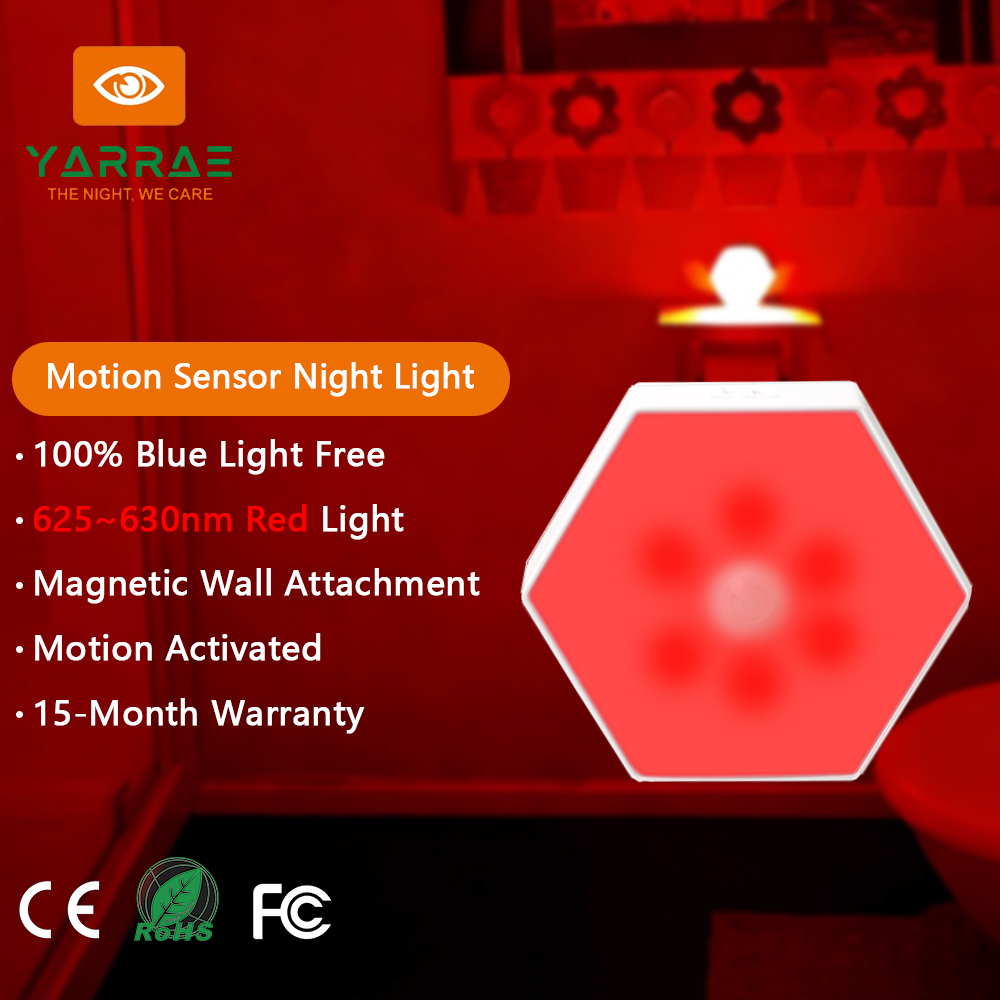
For distributors navigating the competitive landscape of consumer lighting products, importing LED night lights in bulk presents both significant opportunities and complex challenges. As demand for energy-efficient, multifunctional lighting solutions continues to grow across residential, hospitality, and commercial sectors, understanding the critical considerations that influence sourcing decisions becomes essential for maintaining profitability and market competitiveness. The process of bulk importation extends far beyond simply placing large orders—it requires strategic evaluation of product quality standards, regulatory compliance frameworks, supplier reliability metrics, and logistical capabilities that directly impact your bottom line and brand reputation.
This comprehensive guide addresses the specific factors that distributors must evaluate when sourcing LED night lights from international manufacturers, particularly from major production hubs in Asia where the majority of global lighting products originate. From technical specifications and certification requirements to supply chain risk management and market positioning strategies, we examine the decision criteria that separate successful bulk importation operations from costly missteps. Whether you're an established distributor expanding your product portfolio or a new entrant seeking to capitalize on the growing demand for LED night lights, understanding these considerations will help you build a sustainable, profitable import operation that meets both regulatory standards and customer expectations.
Product Quality and Technical Specifications Assessment
LED Component Quality and Lifespan Verification
When evaluating LED night lights for bulk importation, the quality of the LED components themselves represents the most critical technical consideration that distributors must scrutinize. High-quality LED chips from reputable manufacturers typically offer rated lifespans of 25,000 to 50,000 hours, while inferior components may fail within a few thousand hours, generating costly warranty claims and damaging your distribution brand. Request detailed specifications on LED chip origins, luminous efficacy measured in lumens per watt, and color rendering index values that indicate how accurately the light reproduces colors compared to natural sunlight. Distributors should insist on samples from actual production batches rather than specially prepared prototypes, as this reveals the true quality consistency you can expect across large shipment volumes.
The thermal management system within LED night lights directly influences both performance longevity and safety compliance, making it essential to evaluate heat dissipation designs during the sourcing process. Poor thermal design causes LED junction temperatures to rise excessively, accelerating lumen degradation and potentially creating fire hazards that expose distributors to liability claims. Examine whether suppliers incorporate adequate heat sinks, thermal interface materials, and ventilation pathways that maintain LED junction temperatures within manufacturer-specified safe operating ranges. Testing protocols should include extended operation assessments where LED night lights run continuously for 72 hours or more while monitoring surface temperatures and light output stability, revealing potential thermal management deficiencies before you commit to large purchase orders.
Electrical Safety and Power Management Features
The electrical design of LED night lights must meet rigorous safety standards to prevent shock hazards, fire risks, and electromagnetic interference that could affect other electronic devices in residential and commercial environments. Distributors should verify that suppliers implement proper insulation between low-voltage LED circuits and any mains-powered components, with clearly defined creepage and clearance distances that comply with international electrical safety standards. Power supply units within plug-in LED night lights require particular attention, as poorly designed transformers or switching power supplies represent common failure points that generate excessive heat or emit electrical noise. Requesting detailed electrical schematics and bill-of-materials documentation helps identify whether suppliers use certified power components from established manufacturers rather than generic alternatives with unknown reliability profiles.
Advanced LED night lights increasingly incorporate intelligent power management features such as dusk-to-dawn sensors, motion detection, and adjustable brightness levels that enhance user convenience while reducing energy consumption. Distributors must evaluate the reliability and accuracy of these sensing systems, as false triggering or sensor failures frustrate end users and generate return rates that erode profit margins. Test samples under various ambient light conditions and movement patterns to confirm that photocell sensors activate at appropriate lux levels and that passive infrared motion detectors maintain proper sensitivity ranges without excessive false activations. Battery-powered and rechargeable LED night lights require additional assessment of battery management systems, charging circuits, and protection mechanisms against overcharge, over-discharge, and short-circuit conditions that could compromise user safety.
Build Quality and Material Durability Standards
The physical construction quality of LED night lights significantly impacts both product longevity and customer satisfaction, making material selection and manufacturing precision important evaluation criteria for distributors. Housing materials should demonstrate appropriate impact resistance, UV stability, and flame-retardant properties that maintain structural integrity throughout the product's expected service life. Polycarbonate and ABS plastics with proper additive formulations offer good balance between cost-effectiveness and performance, while inferior materials may yellow, crack, or emit unpleasant odors when heated by LED components. Distributors should request material safety data sheets and confirm that all plastics meet relevant flammability ratings such as UL94 V-0 or V-2 classifications that demonstrate self-extinguishing properties.
Manufacturing quality control processes directly determine the consistency you can expect across large production batches, making factory audit assessments valuable investments before committing to significant purchase volumes. Evaluate whether suppliers maintain documented quality management systems with incoming material inspections, in-process testing protocols, and final product validation procedures that catch defects before shipment. Particular attention should focus on assembly precision for components like lens attachments, battery compartment seals, and electrical connections that affect both functionality and safety. Request quality control data from recent production runs, including defect rates, failure mode analysis, and corrective action documentation that reveals how suppliers respond to quality issues and whether continuous improvement processes exist within their operations.
Regulatory Compliance and Certification Requirements
Safety Certification Standards by Target Market
Different geographical markets impose distinct safety certification requirements for LED night lights, and distributors must ensure that imported products carry appropriate approvals for their intended sales regions before customs clearance and market entry. In North American markets, LED night lights typically require certification from nationally recognized testing laboratories such as UL, ETL, or CSA, which verify compliance with standards like UL 1786 for nightlights or UL 2388 for portable luminaires. European markets mandate CE marking based on Low Voltage Directive compliance and electromagnetic compatibility standards, while some product categories also require specific national certifications like VDE in Germany or BSI in the United Kingdom. Distributors should verify that suppliers provide genuine certification documentation with valid test report numbers that can be independently verified through certifying body databases, as counterfeit certificates represent a serious compliance risk.
The certification scope must accurately match your intended product specifications and market applications, as even minor design changes can invalidate existing approvals and require recertification processes that delay market entry. Review certification documents carefully to confirm that tested samples match actual production specifications regarding electrical ratings, LED configurations, housing materials, and any integrated features like USB charging ports or wireless capabilities. Some certifications also impose ongoing production compliance requirements, including periodic factory inspections and sample retesting, which responsible suppliers should maintain throughout your business relationship. Distributors should establish contractual clauses that make suppliers responsible for maintaining valid certifications and providing updated documentation whenever product modifications occur, protecting your organization from compliance liability.
Energy Efficiency and Environmental Regulations
Growing regulatory emphasis on energy efficiency has introduced mandatory performance standards for LED night lights in many jurisdictions, requiring distributors to verify that imported products meet minimum efficacy requirements and standby power limitations. The United States Department of Energy enforces energy conservation standards for certain lighting product categories, while California's Title 20 regulations impose additional requirements including maximum standby power consumption limits. European markets implement Ecodesign Directive requirements that establish minimum energy performance criteria and restrict the use of hazardous substances through RoHS compliance. Distributors must confirm that suppliers conduct appropriate testing to demonstrate regulatory compliance and maintain documentation readily available for customs authorities and market surveillance agencies that may request verification at any point in the distribution chain.
Environmental regulations extend beyond energy efficiency to encompass material composition restrictions, recycling requirements, and proper disposal information that must accompany LED night lights throughout their lifecycle. RoHS compliance limits the concentration of hazardous substances including lead, mercury, cadmium, and certain brominated flame retardants in electrical products sold within European Union member states and increasingly in other global markets. California Proposition 65 requires specific warning labels for products containing chemicals known to cause cancer or reproductive harm when sold in California, affecting labeling requirements even for products sold online. Distributors should establish supplier qualification processes that include material declaration documentation, third-party test reports for restricted substances, and clear procedures for managing compliance when regulations change or expand to cover additional chemical substances or product categories.
Import Documentation and Customs Classification
Proper customs classification using harmonized tariff schedule codes determines the duty rates, regulatory requirements, and import restrictions that apply to LED night lights entering your target market. LED night lights may fall under various classification codes depending on their specific design features, power source, and intended application, with classification differences potentially resulting in significantly different duty rates. Distributors should work with experienced customs brokers or trade compliance specialists to establish correct product classifications based on detailed technical descriptions, as misclassification can result in customs delays, unexpected duty assessments, or even penalties for repeated classification errors. Maintaining consistent classification practices across shipments and documenting the rationale behind classification decisions helps demonstrate good-faith compliance efforts during customs audits.
Import documentation requirements extend beyond basic commercial invoices and packing lists to include certificates of origin, product testing reports, and compliance declarations that verify LED night lights meet applicable safety and performance standards. Free trade agreements may offer reduced duty rates for products originating in specific countries, but claiming these preferences requires proper origin documentation and supplier certification that production processes meet agreement rules of origin. Distributors should establish standardized documentation checklists that suppliers must complete before shipment, ensuring all required certificates, test reports, and declarations accompany each order to prevent customs clearance delays. Electronic filing systems and advance shipment notification procedures can further streamline customs processing, reducing the time products spend in transit and improving inventory turnover rates that directly impact your working capital requirements.
Supplier Evaluation and Relationship Management
Manufacturing Capability and Capacity Assessment
Understanding a supplier's actual manufacturing capabilities and production capacity prevents costly disappointments when order volumes increase or delivery timelines become critical for seasonal market opportunities. Distributors should conduct thorough factory assessments that go beyond reviewing promotional materials to physically inspect production facilities, equipment condition, and workforce organization. Key evaluation criteria include the number and type of assembly lines dedicated to LED night lights, daily production capacity under normal operating conditions, and the supplier's ability to scale production during peak demand periods without compromising quality standards. Suppliers operating at near-maximum capacity may struggle to accommodate growth in your order volumes or respond quickly to urgent replenishment requests, while those with significant excess capacity may face financial pressures that affect quality consistency or long-term business viability.
The technological sophistication of manufacturing equipment and automation levels directly influence both product quality consistency and the supplier's cost competitiveness in evolving market conditions. Modern surface-mount technology lines, automated optical inspection systems, and integrated testing equipment enable suppliers to maintain tighter quality control while achieving labor cost efficiencies that support competitive pricing. Evaluate whether suppliers invest in production technology upgrades and process improvements rather than relying solely on low labor costs, as this indicates strategic focus on long-term competitiveness. Distributors should also assess backup equipment availability and maintenance practices, as unexpected production line failures can disrupt delivery schedules and leave your distribution channels without adequate inventory to meet customer demand during critical selling periods.
Quality Management Systems and Continuous Improvement
Robust quality management systems distinguish professional manufacturers from informal operations that lack systematic approaches to defect prevention and process control. Distributors should evaluate whether suppliers maintain ISO 9001 certification or equivalent quality management frameworks that document procedures for incoming material inspection, in-process quality checkpoints, final product testing, and non-conformance handling. Review actual quality records rather than simply accepting certification documents, examining defect rate trends, customer complaint analyses, and corrective action effectiveness to understand how quality management operates in practice. Suppliers demonstrating declining defect rates and proactive quality improvement initiatives indicate organizational commitment to continuous improvement that benefits your distribution operation through fewer warranty claims and higher customer satisfaction.
Testing capabilities within supplier facilities determine whether adequate product validation occurs before shipment or whether distributors must invest in redundant testing to protect themselves from receiving defective LED night lights. Essential testing equipment includes integrating sphere systems for photometric measurements, electrical safety analyzers, environmental chambers for temperature and humidity stress testing, and drop test apparatus for mechanical durability verification. Suppliers lacking appropriate testing infrastructure cannot effectively validate product performance or catch systematic quality issues before shipping, transferring quality risk to distributors who may only discover problems after products reach end customers. Establish clear quality acceptance criteria and inspection protocols that define measurable performance standards, sample sizes for batch inspections, and the disposition process for shipments that fail to meet agreed specifications.
Communication Capabilities and Responsiveness
Effective communication between distributors and suppliers fundamentally enables successful long-term business relationships, particularly when managing complex product specifications, addressing quality concerns, or coordinating delivery schedules. Evaluate supplier communication capabilities during initial qualification phases by assessing English language proficiency among technical and commercial staff, responsiveness to inquiries and requests for information, and willingness to provide detailed explanations about manufacturing processes or product design decisions. Suppliers that assign dedicated account managers or customer service representatives demonstrate organizational commitment to relationship management, while those requiring distributors to navigate complex internal structures for every interaction signal potential communication challenges. Time zone differences between distributors and international suppliers require establishing clear communication protocols regarding preferred contact methods, expected response times, and escalation procedures for urgent matters.
Cultural understanding and business practice alignment significantly influence relationship satisfaction and problem-resolution effectiveness when challenges inevitably arise during long-term supplier partnerships. Distributors should invest time during early interactions to understand supplier perspectives on contractual commitments, quality standards, and dispute resolution approaches, as differing expectations often create friction in cross-cultural business relationships. Discussing hypothetical scenarios such as late deliveries, quality disputes, or specification changes reveals how suppliers approach problem-solving and whether they prioritize relationship preservation or narrow transactional interests. Building relationships beyond purely commercial interactions through occasional facility visits, participation in industry events, or informal communication helps establish mutual understanding and trust that facilitates cooperation during difficult situations that require flexible, creative solutions.
Logistics Planning and Supply Chain Risk Management
Shipping Methods and Lead Time Optimization
Selecting appropriate shipping methods for LED night lights requires balancing transportation costs, transit times, and inventory carrying expenses to optimize total landed costs while maintaining adequate stock availability. Ocean freight offers the most economical per-unit transportation cost for bulk orders but typically requires 30-45 days for trans-Pacific shipments or 35-50 days for Asia-to-Europe routes, necessitating accurate demand forecasting and larger safety stock buffers. Air freight reduces transit times to 5-10 days but costs significantly more per unit, making it suitable primarily for urgent replenishment orders, high-value products, or initial sample shipments rather than routine bulk importation. Distributors should develop hybrid shipping strategies that combine ocean freight for base inventory replenishment with air freight capability for responding to unexpected demand surges or correcting forecasting errors that would otherwise result in stockout situations.
Incoterms selection determines the division of responsibilities and costs between buyers and sellers, directly impacting both your landed product costs and the complexity of logistics management. FOB (Free on Board) terms place responsibility for international transportation on distributors, providing greater control over carrier selection and shipping schedules but requiring more logistics expertise and relationships with freight forwarders. DDP (Delivered Duty Paid) terms shift logistics responsibilities to suppliers who arrange transportation and handle customs clearance, simplifying operations for distributors but typically resulting in higher product costs that include supplier markup on freight and duty expenses. Distributors should evaluate their logistics capabilities, shipment volumes, and strategic priorities when negotiating Incoterms, potentially using different approaches for initial trial orders versus established replenishment patterns as business relationships mature.
Inventory Management and Demand Forecasting
Effective inventory management for imported LED night lights requires sophisticated demand forecasting that accounts for seasonal patterns, promotional activities, and market trends while balancing the competing objectives of product availability and working capital efficiency. LED night lights often exhibit seasonal demand patterns with peaks during autumn months when daylight hours decrease and holiday shopping intensifies, requiring distributors to build inventory in advance of these periods. Analyze historical sales data to identify demand patterns, but recognize that past performance may not perfectly predict future sales, particularly in dynamic markets where new competitors emerge or consumer preferences shift toward different product features. Statistical forecasting methods incorporating trend analysis, seasonal adjustment factors, and promotional impact models help develop more accurate predictions that inform optimal order quantities and timing.
Safety stock calculations must account for both demand variability and supply chain uncertainty, particularly when sourcing LED night lights from distant suppliers where production delays or shipping disruptions can extend replenishment cycles unexpectedly. Factors influencing appropriate safety stock levels include demand forecast accuracy, acceptable stockout risk tolerance, supplier delivery reliability, and the financial impact of holding excess inventory versus losing sales opportunities. Distributors should regularly review inventory turnover rates, stockout frequencies, and obsolescence risks to refine safety stock policies that maintain service level targets without tying up excessive working capital in slow-moving products. Implementing inventory management software with automated reorder point calculations and lead time tracking capabilities helps maintain optimal stock levels while reducing the administrative burden of manual inventory monitoring.
Supply Chain Disruption Mitigation Strategies
Global supply chains face numerous disruption risks including natural disasters, political instability, trade policy changes, pandemic-related restrictions, and transportation capacity constraints that can severely impact LED night lights availability. Distributors should conduct supply chain risk assessments that identify potential disruption scenarios, evaluate their probability and potential impact, and develop contingency plans that enable business continuity when disruptions occur. Geographic concentration risk represents a particular concern when sourcing exclusively from single-country manufacturing bases, as regional disruptions can simultaneously affect multiple suppliers within the same production area. Diversifying supplier relationships across different geographic regions provides insurance against localized disruptions, though managing multiple supplier relationships increases complexity and may reduce individual order volumes that influence per-unit pricing.
Building strategic inventory buffers and establishing alternative sourcing options requires careful financial analysis that weighs risk mitigation benefits against increased carrying costs and supply chain complexity. Maintaining higher inventory levels than demand forecasts strictly require provides cushion against supply disruptions but increases warehousing costs, insurance expenses, and obsolescence risks if product designs or market preferences change. Qualifying backup suppliers who can provide LED night lights meeting your specifications enables faster response to primary supplier disruptions, though maintaining these relationships requires periodic order placement to keep backup sources engaged and familiar with your requirements. Distributors should document supplier qualification criteria, maintain updated contact information for alternative sources, and periodically test contingency plans through scenario exercises that reveal potential gaps before actual disruptions occur.
Pricing Strategy and Financial Planning
Total Landed Cost Calculation and Margin Analysis
Accurate total landed cost calculation for imported LED night lights extends far beyond quoted product prices to encompass international freight, customs duties, import processing fees, inspection costs, financing charges, and domestic distribution expenses. Distributors must develop comprehensive cost models that capture all expense categories to determine true product costs and establish pricing strategies that achieve target profit margins. International freight costs vary significantly based on shipment volumes, seasonal capacity constraints, fuel prices, and routing options, requiring regular rate updates and carrier relationship management to maintain cost competitiveness. Customs duties depend on product classification, origin country, and applicable trade agreement provisions, while some jurisdictions also impose merchandise processing fees, harbor maintenance fees, or other charges that add to import costs.
Currency exchange rate fluctuations introduce financial risk when purchasing LED night lights denominated in foreign currencies, potentially eroding profit margins if purchasing currencies strengthen against your sales currency. Distributors should monitor exchange rate trends and consider risk mitigation strategies including forward currency contracts that lock in exchange rates for future purchases, natural hedging by matching currency exposures, or negotiating price adjustment mechanisms with suppliers that share currency risk. Payment term negotiations also significantly impact working capital requirements and effective product costs, as extended payment terms provide valuable financing that reduces the need for external capital while early payment discounts may justify faster payment if discount rates exceed your cost of capital. Financial planning should incorporate detailed cash flow projections that account for the timing of purchase payments, inventory carrying periods, and customer payment collection cycles.
Competitive Pricing Positioning and Value Proposition
Establishing competitive pricing for LED night lights requires understanding target customer segments, alternative product options, and perceived value drivers that influence purchase decisions in your specific market channels. Price-sensitive retail channels may prioritize low acquisition costs that enable attractive shelf prices, while professional installation markets often emphasize product quality, warranty coverage, and technical support that justify premium pricing. Conduct competitive analysis examining comparable product pricing, feature sets, and positioning strategies to identify market gaps or differentiation opportunities that support your pricing approach. Avoid purely cost-plus pricing that ignores market dynamics, as this may result in prices too high to compete effectively or prices unnecessarily low that sacrifice available margin when customers would pay more for appropriate value delivery.
Value-added services and bundle offerings create differentiation opportunities that support higher margins compared to commodity LED night lights competition focused purely on lowest unit prices. Consider packaging complementary products together, offering extended warranties, providing technical support resources, or developing private label programs that enhance perceived value beyond basic product functionality. Educational content, installation guides, and application examples help customers understand product capabilities and appropriate usage scenarios, potentially justifying premium pricing for distributors who invest in these customer success resources. Promotional pricing strategies for market entry, seasonal selling periods, or inventory clearance require careful planning that considers both immediate revenue impacts and longer-term pricing perception effects that influence customer expectations about normal pricing levels.
Order Quantity Optimization and Payment Terms
Determining optimal order quantities for LED night lights involves analyzing the trade-off between volume purchase discounts, inventory carrying costs, working capital constraints, and obsolescence risks associated with large inventory positions. Suppliers typically offer tiered pricing based on order quantities, with significant per-unit cost reductions at higher volume thresholds that create incentives for larger purchases. However, excessive inventory ties up working capital, increases warehousing expenses, and raises the risk that products become obsolete before selling through if market preferences shift or new LED night lights designs emerge. Economic order quantity models provide analytical frameworks for identifying optimal purchase quantities, though practical considerations including minimum order requirements, shipping container utilization, and cash flow constraints often influence actual ordering decisions.
Payment terms negotiation significantly impacts your working capital requirements and effective financing costs when importing LED night lights from international suppliers. Standard payment structures often include deposit requirements of 30% upon order placement with balance due before shipment or against shipping documents, creating substantial capital requirements for large orders. Distributors with established supplier relationships may negotiate extended terms such as net 30 or net 60 days after shipment, effectively obtaining supplier financing that reduces working capital pressure. Letter of credit arrangements provide security for both parties but add banking fees and documentation requirements that increase transaction costs. Some suppliers offer early payment discounts that distributors should evaluate against their cost of capital or alternative investment returns to determine whether accelerated payment provides net financial benefit compared to using available credit terms.
FAQ
What certifications are absolutely required for importing LED night lights?
Required certifications depend entirely on your target market, but generally include electrical safety approvals from recognized testing laboratories in your sales region. For North America, this means UL, ETL, or CSA certification demonstrating compliance with relevant safety standards. European markets require CE marking based on Low Voltage Directive and EMC Directive compliance, while specific countries may have additional national requirements. Beyond safety certifications, you may need energy efficiency compliance documentation, RoHS declarations for hazardous substance restrictions, and proper customs documentation including certificates of origin. Always verify current requirements with customs brokers or regulatory specialists before committing to large orders, as regulations periodically change and vary by specific product configurations.
How can distributors verify supplier reliability before placing large orders?
Supplier verification should combine documentary review, factory audits, reference checks, and progressive order scaling rather than relying on any single assessment method. Request business licenses, quality certifications, and financial stability indicators, then verify these documents through independent sources when possible. Conduct on-site factory visits to observe actual production capabilities, quality control processes, and organizational professionalism, paying attention to equipment condition and workforce management. Contact existing customers to understand their experience with delivery reliability, quality consistency, and responsiveness to problems. Begin your relationship with smaller trial orders that test supplier performance before committing to large purchase volumes, gradually increasing order sizes as the supplier demonstrates consistent capability. Third-party supplier audit services can provide independent assessments if you lack resources for direct evaluation.
What factors most significantly impact the total landed cost of imported LED night lights?
Product price from suppliers represents the largest single cost component, but international freight, customs duties, and logistics expenses collectively add 30-50% or more to FOB prices depending on your location and shipment characteristics. Freight costs vary substantially based on shipment volume, mode of transport, seasonal capacity, and routing, with ocean freight economical for large volumes but slow, while air freight offers speed at premium cost. Customs duties depend on product classification and origin country, potentially ranging from zero under free trade agreements to 10% or higher for some classifications. Additional costs include customs brokerage fees, inspection charges, insurance, financing costs for deposits and inventory, warehousing expenses, and domestic transportation from port to your distribution facilities. Currency exchange rates also significantly affect costs when purchasing in foreign currencies, requiring monitoring and potentially hedging strategies.
How should distributors handle quality issues discovered after receiving bulk shipments?
Immediate documentation with photographs, defect descriptions, and quantity counts provides essential evidence for supplier negotiations and potential insurance claims or legal action if necessary. Notify suppliers promptly about quality issues while products remain in original packaging when possible, as delayed notification weakens your negotiating position. Review your purchase agreement terms regarding quality warranties, inspection rights, and remedies for non-conforming goods, then follow contractual dispute resolution procedures. Depending on defect severity and supplier responsiveness, potential remedies include partial refunds reflecting diminished product value, replacement shipments at supplier expense, or full order rejection and return. Segregate defective products from saleable inventory to prevent accidental distribution that could damage your customer relationships and brand reputation. For significant quality failures, consider engaging third-party inspection services to provide independent defect assessment that strengthens your position in supplier negotiations. Establish clear quality acceptance criteria in future purchase orders to prevent recurring disputes about whether products meet specifications.
Table of Contents
- Product Quality and Technical Specifications Assessment
- Regulatory Compliance and Certification Requirements
- Supplier Evaluation and Relationship Management
- Logistics Planning and Supply Chain Risk Management
- Pricing Strategy and Financial Planning
-
FAQ
- What certifications are absolutely required for importing LED night lights?
- How can distributors verify supplier reliability before placing large orders?
- What factors most significantly impact the total landed cost of imported LED night lights?
- How should distributors handle quality issues discovered after receiving bulk shipments?