
 EN
EN




Sourcing bedroom lights that meet quality standards while maintaining fast lead times represents one of the most persistent challenges facing hospitality purchasing managers, interior designers, and commercial property developers. The bedroom lighting market demands precision in both aesthetic delivery and operational reliability, yet many procurement teams struggle with inconsistent product quality, delayed shipments, and communication barriers that disrupt project timelines. Understanding the systematic approach to sourcing bedroom lights requires knowledge of supplier evaluation frameworks, quality assurance protocols, and supply chain optimization strategies that align with both immediate project needs and long-term partnership sustainability.
The process of securing reliable bedroom lights involves multiple interdependent factors that extend beyond initial price comparisons. Successful sourcing strategies integrate supplier capability assessment, quality control mechanisms, lead time management systems, and communication protocols that collectively ensure consistent outcomes across multiple order cycles. This comprehensive approach addresses the root causes of common procurement failures while establishing frameworks that support scalable, repeatable success in bedroom lighting acquisition for commercial applications ranging from boutique hotels to large-scale residential developments.
Understanding Supplier Capability and Manufacturing Infrastructure
Evaluating Production Capacity and Technical Specifications
The foundation of consistent bedroom lights quality begins with thorough assessment of supplier manufacturing capabilities. Production capacity evaluation should examine not only current output volumes but also scalability potential, equipment sophistication, and technical expertise in lighting assembly processes. Suppliers with dedicated production lines for bedroom lights typically demonstrate greater consistency than those treating such products as occasional manufacturing runs. Facility visits or detailed virtual assessments reveal critical infrastructure elements including automated testing equipment, climate-controlled assembly environments, and quality inspection stations that directly impact final product reliability.
Technical specification alignment represents another essential capability dimension. The supplier must demonstrate clear understanding of electrical standards relevant to your target markets, including voltage compatibility, certification requirements, and safety compliance protocols. For bedroom lights destined for hospitality applications, this includes familiarity with dimming compatibility, color temperature consistency across production batches, and luminaire performance specifications that meet professional lighting design standards. Requesting technical documentation, certification copies, and production process flowcharts provides concrete evidence of capability rather than relying solely on marketing claims.
Manufacturing infrastructure stability directly influences lead time consistency. Suppliers dependent on multiple subcontractors for component sourcing face greater variability in production scheduling compared to vertically integrated operations. Understanding the supplier's component procurement model, inventory management systems, and backup sourcing strategies helps predict potential disruption points. For bedroom lights requiring specialized components such as custom shades, unique switch mechanisms, or proprietary LED modules, supplier relationships with component manufacturers become critical factors in maintaining production continuity and meeting delivery commitments.
Assessing Quality Management Systems and Certification Standards
Formal quality management systems provide structural assurance that bedroom lights will meet specifications consistently across order cycles. ISO 9001 certification indicates established quality control processes, documented procedures, and continuous improvement mechanisms that reduce variation in manufacturing outcomes. However, certification alone proves insufficient without evidence of active implementation. Request quality manual excerpts, inspection record samples, and corrective action documentation to verify that quality systems function operationally rather than existing merely as compliance documentation.
Product-specific certifications carry particular weight for bedroom lights intended for commercial installations. UL listing, CE marking, or equivalent safety certifications demonstrate compliance with electrical safety standards, while energy efficiency certifications like Energy Star or equivalent regional standards indicate performance validation. For projects spanning multiple jurisdictions, suppliers capable of providing bedroom lights with multiple concurrent certifications streamline specification compliance and reduce project approval timelines. Verify that certifications cover the specific product configurations you require rather than assuming certification transferability across product variations.
Quality assurance protocols should extend throughout the production cycle rather than concentrating solely on final inspection. Incoming material inspection procedures, in-process quality checkpoints, and functional testing protocols collectively determine final product consistency. For bedroom lights, critical quality checkpoints include electrical safety testing, optical performance verification, mechanical durability assessment, and finish quality inspection. Suppliers who document quality metrics at each production stage and maintain statistical process control data demonstrate superior capability for consistent quality delivery compared to those relying exclusively on final product sampling.
Implementing Robust Quality Control and Inspection Protocols
Establishing Clear Quality Standards and Acceptance Criteria
Effective quality control for bedroom lights begins with unambiguous specification documentation that eliminates subjective interpretation. Technical specifications should define measurable parameters including dimensional tolerances, electrical performance ranges, color temperature specifications with acceptable deviation limits, and finish quality standards with photographic references. For projects requiring multiple bedroom lights installations, creating a detailed specification sheet that both parties sign establishes contractual clarity and provides objective criteria for acceptance decisions during receiving inspection.
Sample approval processes create quality benchmarks that guide full production runs. Rather than approving samples based solely on visual assessment, implement structured evaluation protocols that test samples against all critical specification parameters. For bedroom lights, this includes photometric testing to verify light output and distribution, electrical safety testing under load conditions, and accelerated aging tests for finish durability. Retaining approved samples as golden standards enables objective comparison when production units arrive, reducing disputes arising from memory-based quality assessments or subjective interpretation of specification language.
Acceptance quality limits define the statistical parameters for batch acceptance decisions. Establishing agreed-upon AQL levels for different defect categories creates shared understanding about acceptable variation in production outcomes. For bedroom lights, critical defects affecting safety or fundamental functionality warrant zero tolerance, while minor cosmetic imperfections might accept defined occurrence rates. Documenting these parameters in purchase agreements prevents post-delivery disputes and incentivizes suppliers to implement process controls that consistently meet defined quality thresholds rather than gambling on lenient buyer acceptance standards.
Conducting Pre-Shipment Inspections and Third-Party Verification
Pre-shipment inspection represents the final quality gate before bedroom lights enter the logistics chain. Implementing inspection protocols that occur at the supplier facility rather than after delivery provides opportunity for immediate corrective action when quality issues surface. Inspection scope should include random sampling that achieves statistical confidence aligned with order size, functional testing of electrical and mechanical components, packaging integrity assessment, and verification that products match approved samples in all material respects. Documenting inspection findings with photographs, measurements, and test results creates objective records that support acceptance decisions or rejection rationales.
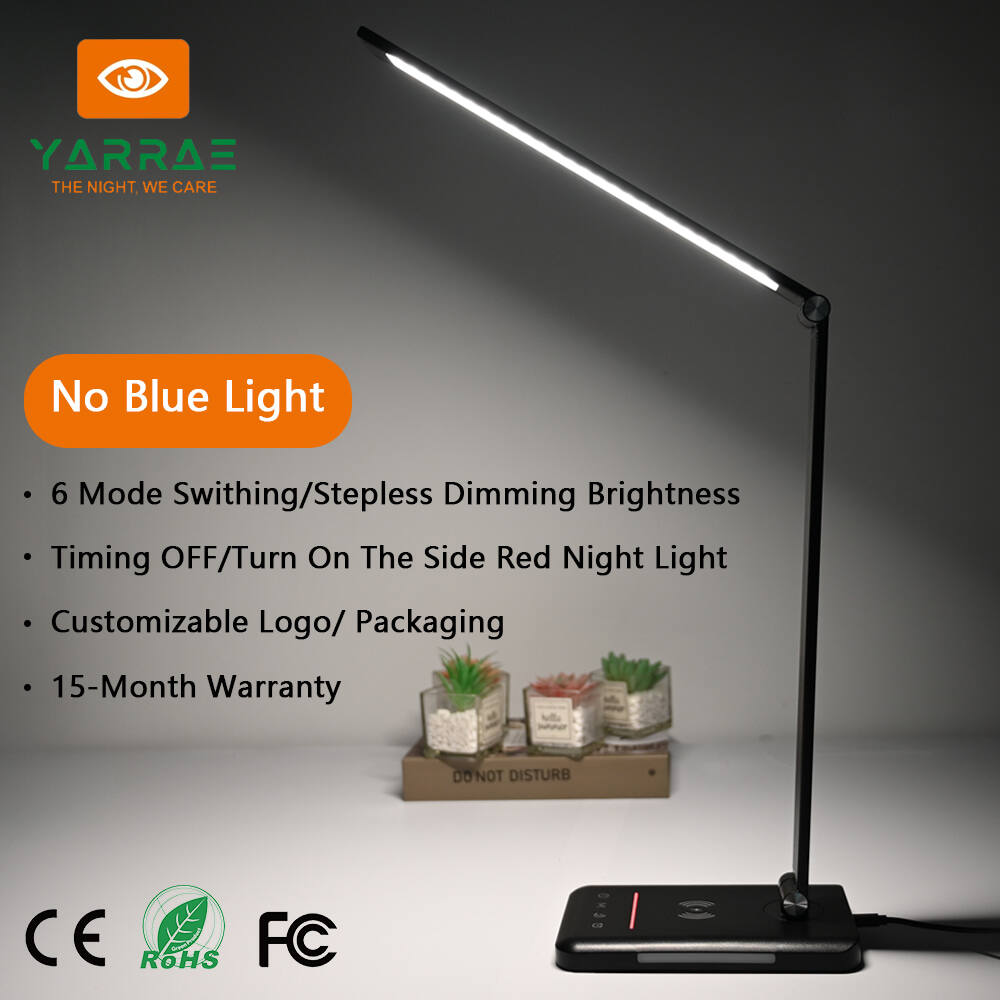
Third-party inspection services provide independent verification particularly valuable for high-value orders or when establishing relationships with new suppliers. Professional inspection companies specializing in lighting products bring technical expertise, standardized inspection protocols, and impartial assessment perspectives that internal buyer inspections may lack. For bedroom lights incorporating complex features such as integrated USB charging, touch controls, or smart home connectivity, specialized technical knowledge becomes essential for comprehensive functionality verification. The cost of professional inspection services typically represents minimal percentage of total order value while substantially reducing risk of expensive quality failures discovered post-installation.
Continuous monitoring approaches supplement periodic inspections by implementing ongoing quality feedback mechanisms. Establishing protocols where installation teams document quality observations, defect patterns, and performance issues creates data streams that inform supplier performance discussions and drive process improvements. For bedroom lights deployed across multiple properties, aggregating quality data reveals systematic issues that individual project teams might dismiss as isolated incidents. Sharing this aggregated data with suppliers during quarterly business reviews creates accountability and motivates continuous quality enhancement rather than reactive problem-solving after major failures occur.
Optimizing Lead Time Management and Supply Chain Coordination
Structuring Production Scheduling and Capacity Reservation
Lead time predictability for bedroom lights improves dramatically when buyers transition from transactional ordering to strategic capacity planning. Providing suppliers with rolling forecasts that project requirements across six to twelve-month horizons enables proactive material procurement and production scheduling rather than reactive scrambling to accommodate urgent orders. For projects with phased delivery requirements, establishing production calendars with specific milestone dates creates mutual accountability and allows suppliers to optimize manufacturing sequences that balance your needs with their broader production commitments.
Capacity reservation agreements formalize supplier commitments to maintain manufacturing availability for your bedroom lights orders. These arrangements prove particularly valuable during peak production seasons when supplier capacity constraints extend lead times industry-wide. By committing to minimum order volumes or providing financial considerations for reserved capacity, buyers secure priority positioning that maintains lead time consistency even during high-demand periods. Such agreements work best with transparent communication about actual demand realization, allowing suppliers to release reserved capacity when buyers' requirements shift without penalizing the supplier for maintaining availability.
Component lead time management represents a frequently overlooked factor in overall production scheduling. For bedroom lights featuring custom elements such as specialized shades, unique metal finishes, or proprietary electronic components, understanding component procurement timelines becomes essential for realistic production scheduling. Collaborating with suppliers to identify long-lead components and potentially maintaining buffer inventory for such items reduces vulnerability to component supply disruptions that cascade into delayed final product delivery. Some sophisticated buyers establish component consignment arrangements where they purchase and hold critical long-lead items, releasing them to suppliers according to production schedules that align with project timelines.
Implementing Logistics Optimization and Expedited Shipping Strategies
Transportation mode selection significantly impacts total lead time for bedroom lights sourcing. Standard ocean freight typically offers lowest cost but longest transit times, while air freight dramatically reduces transportation duration at premium cost. Developing decision frameworks that evaluate transportation mode based on order urgency, unit value, and total quantity enables rational cost-benefit analysis rather than defaulting to habitual shipping methods. For projects with firm installation deadlines, the incremental cost of expedited shipping often proves negligible compared to penalties for late project completion or opportunity costs of delayed property openings.
Consolidated shipment strategies balance frequency and volume to optimize logistics efficiency without sacrificing lead time responsiveness. Rather than shipping bedroom lights individually as production completes, establishing periodic shipment windows such as weekly or bi-weekly departures creates predictable logistics rhythms that facilitate both supplier planning and receiving operations. This approach proves particularly effective for projects requiring multiple bedroom lights deliveries over extended periods, reducing per-unit transportation costs while maintaining adequate supply flow to support installation schedules. Coordination between project timelines and shipment windows requires detailed communication but yields substantial logistics cost savings without meaningful schedule impacts.
Customs clearance optimization represents an often-underestimated lead time factor for internationally sourced bedroom lights. Proactive management includes ensuring complete and accurate documentation, appropriate tariff classification, and compliance with import regulations that vary by destination country. Working with experienced customs brokers who specialize in lighting products reduces clearance delays caused by documentation deficiencies or classification disputes. For large projects requiring multiple shipments, establishing master documentation templates and maintaining consistent classification approaches across shipments creates process efficiency that compounds into meaningful lead time reductions over project duration.
Building Strategic Supplier Relationships and Communication Frameworks
Establishing Clear Communication Protocols and Expectation Alignment
Communication clarity fundamentally determines sourcing success for bedroom lights projects. Establishing designated contact points on both buyer and supplier sides eliminates confusion about responsibility and ensures questions reach appropriate decision-makers rather than circulating through organizational hierarchies. For complex projects, creating communication matrices that specify which personnel handle technical questions, order status inquiries, quality issues, and commercial discussions prevents delays caused by misdirected communications or waiting for unavailable personnel to respond to matters outside their functional responsibility.
Expectation documentation transforms vague understandings into concrete commitments. Purchase orders should explicitly state quality standards, delivery dates, packaging requirements, documentation needs, and inspection protocols rather than assuming shared understanding or relying on previous transaction patterns. For bedroom lights with customization elements, detailed specification sheets with approved drawings, finish samples, and technical parameters eliminate ambiguity that leads to production errors discovered only after manufacturing completion. The investment in thorough documentation consistently proves worthwhile by preventing expensive rework, delivery delays, and relationship friction caused by misaligned expectations.
Regular status communication maintains visibility into production progress and enables proactive problem-solving before issues escalate into serious delays. Establishing weekly update protocols during active production runs provides early warning of potential challenges such as component delays, quality issues requiring corrective action, or capacity constraints affecting delivery schedules. For bedroom lights orders with extended production cycles, milestone-based reporting creates structured touchpoints that verify progress against production plans. This ongoing dialogue builds mutual confidence while providing opportunities to adjust plans collaboratively when circumstances change rather than discovering problems only when expected shipments fail to materialize.
Developing Long-Term Partnerships and Continuous Improvement Initiatives
Transitioning from transactional purchasing to strategic partnership approaches yields compounding benefits for bedroom lights sourcing. Suppliers viewing buyers as long-term partners demonstrate greater willingness to invest in process improvements, maintain buffer inventory, prioritize production scheduling, and absorb minor cost increases without immediate price renegotiations. Building such relationships requires reciprocal commitment including payment reliability, reasonable lead time expectations, communication transparency about future requirements, and recognition that sustainable partnerships balance both parties' commercial interests rather than maximizing advantage through aggressive negotiation tactics.
Collaborative improvement initiatives create shared value that strengthens supplier relationships while enhancing product outcomes. Joint efforts might include streamlining packaging designs to reduce shipping damage, implementing design modifications that improve manufacturability without compromising aesthetics, or developing testing protocols that more accurately predict field performance. For bedroom lights, specific improvement opportunities often emerge around installation efficiency, maintenance accessibility, or packaging innovations that reduce installation time. Engaging suppliers as problem-solving partners rather than mere order fulfillment agents taps their manufacturing expertise while building relationship equity that translates into prioritized service during capacity-constrained periods.
Performance measurement systems provide objective foundations for supplier relationship management. Establishing metrics that track quality conformance rates, on-time delivery performance, responsiveness to technical inquiries, and flexibility in accommodating specification changes creates data-driven dialogue about supplier performance. For bedroom lights procurement programs involving multiple suppliers, comparative metrics reveal relative performance strengths and weaknesses that inform sourcing allocation decisions. Sharing performance data with suppliers during business review meetings creates accountability while demonstrating that buyer satisfaction reflects measurable outcomes rather than subjective impressions, motivating suppliers to sustain excellent performance or implement corrective measures for underperforming areas.
FAQ
What minimum order quantities should I expect when sourcing bedroom lights from manufacturers?
Minimum order quantities for bedroom lights vary significantly based on product complexity, customization level, and supplier business models. Standard catalog designs often carry MOQs ranging from fifty to two hundred units per model, while fully customized designs may require five hundred to one thousand units to justify tooling investments and setup costs. Some suppliers offer flexibility by accepting mixed model orders that aggregate to their minimum threshold, enabling smaller quantities per specific design. For initial trials or sample projects, discussing reduced MOQ options with premium pricing often proves feasible, establishing product fit before committing to larger production runs.
How can I verify a supplier's claimed production capacity and lead time capabilities?
Verification of production capacity claims requires multiple validation approaches rather than accepting supplier representations at face value. Factory audits, either in-person or through third-party inspection services, reveal actual equipment inventory, facility size, and workforce levels that substantiate or contradict capacity claims. Requesting customer references, particularly for projects similar in scale and complexity to your bedroom lights requirements, provides operational evidence of past performance. Additionally, starting with smaller trial orders while monitoring actual lead time delivery creates empirical data about supplier reliability before committing to larger contracts. Suppliers confident in their capabilities welcome such verification approaches, while resistance to transparency often signals exaggerated claims.
What payment terms best balance supplier motivation with buyer protection for bedroom lights orders?
Payment structure significantly influences both supplier commitment and buyer risk exposure. Common arrangements include thirty percent deposit upon order confirmation, sixty percent upon production completion before shipment, and ten percent retention upon final delivery acceptance. This structure provides suppliers working capital for material procurement while maintaining buyer leverage to ensure quality standards and complete delivery. For established supplier relationships, terms may shift toward net payment after delivery, while new supplier relationships might require letters of credit that provide payment assurance to suppliers while guaranteeing performance conditions for buyers. The optimal structure balances your organization's cash flow preferences, order value, supplier financial stability, and relationship maturity stage.
Should I source bedroom lights from a single supplier or maintain multiple supplier relationships?
Supplier strategy depends on order volumes, design standardization, and risk tolerance levels. Single-source approaches maximize volume leverage for pricing negotiations, simplify quality consistency, reduce administrative complexity, and enable deeper supplier relationships that often yield preferential treatment during capacity constraints. However, this concentration creates vulnerability to supplier operational disruptions, quality failures, or relationship deterioration. Multi-source strategies distribute risk, create competitive pressure that maintains pricing discipline, and provide fallback options during supply disruptions. For bedroom lights programs, many sophisticated buyers implement hybrid approaches where primary suppliers handle majority volume while qualified secondary suppliers maintain smaller regular orders that preserve relationship viability and provide activated capacity during surge requirements or primary supplier challenges.
Table of Contents
- Understanding Supplier Capability and Manufacturing Infrastructure
- Implementing Robust Quality Control and Inspection Protocols
- Optimizing Lead Time Management and Supply Chain Coordination
- Building Strategic Supplier Relationships and Communication Frameworks
-
FAQ
- What minimum order quantities should I expect when sourcing bedroom lights from manufacturers?
- How can I verify a supplier's claimed production capacity and lead time capabilities?
- What payment terms best balance supplier motivation with buyer protection for bedroom lights orders?
- Should I source bedroom lights from a single supplier or maintain multiple supplier relationships?