
 EN
EN


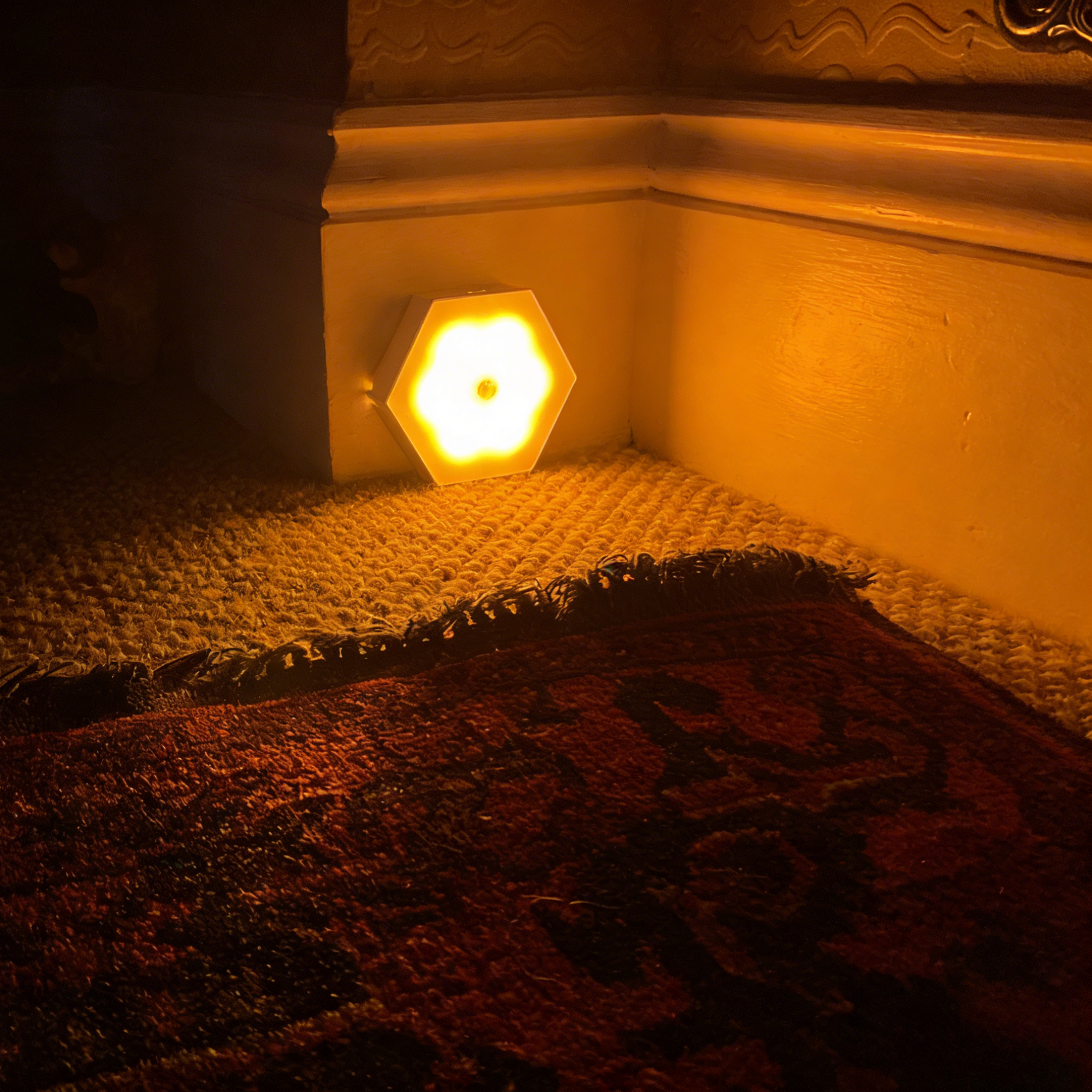
Selecting the right night lights with low defect rates and stable performance is essential for creating a safe, comfortable bedroom environment. Poor-quality night lights fail unexpectedly, overheat, flicker unpredictably, or develop electrical faults that compromise both safety and user experience. When you choose night lights with low defect rates and stable performance, you invest in a product that delivers consistent illumination night after night without frustration or risk. Understanding the key quality markers and performance indicators will help you identify products that stand the test of time and meet your lighting needs reliably.
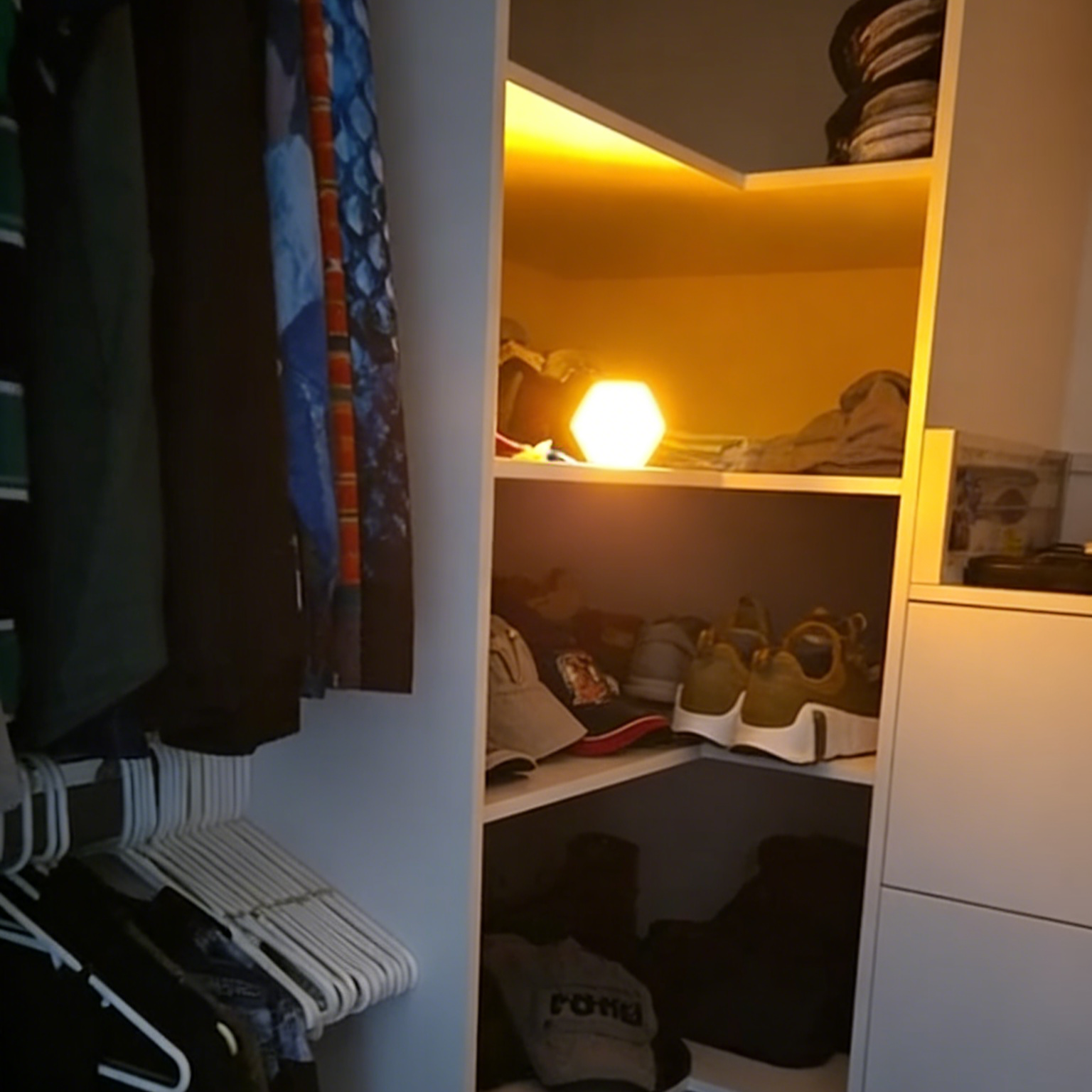
Many consumers overlook the importance of quality control and performance stability when shopping for night lights. A defective unit may work briefly before failing, creating safety hazards or forcing repeated replacements. Night lights with low defect rates and stable performance reflect superior manufacturing standards, rigorous testing protocols, and quality component selection. This guide explores the critical factors that distinguish reliable night lights from problematic alternatives, ensuring your decision leads to long-term satisfaction and consistent performance in your bedroom.
Material Quality and Component Selection
LED Technology and Build Standards
The foundation of night lights with low defect rates and stable performance begins with material selection and component quality. Premium LED chips operate more consistently across temperature ranges and voltage fluctuations, reducing the risk of premature failure or performance degradation. Reputable manufacturers source components from certified suppliers, conduct incoming quality inspections, and implement traceability systems that track each component's origin and specifications. When evaluating night lights with low defect rates and stable performance, inspect the LED quality claims, warranty coverage periods, and third-party certifications that validate component standards.
Circuit Design and Protection Features
Night lights with low defect rates and stable performance incorporate intelligent circuit protection that prevents overheating, voltage spikes, and electrical failures. Over-current protection circuits limit excess power draw, while thermal management systems dissipate heat safely away from sensitive components. Quality night lights with low defect rates and stable performance include surge protection that safeguards against power fluctuations, extending product lifespan and eliminating sudden shutdowns. Look for products that specify their protection mechanisms and include certifications such as FCC, CE, or UL marks, which indicate compliance with safety and performance standards.
Manufacturing Processes and Quality Control
Production Testing and Defect Detection
Manufacturers of night lights with low defect rates and stable performance invest heavily in production testing that identifies defects before products reach consumers. Automated testing systems verify LED brightness output, color accuracy, power consumption, and response times for every unit produced. Manufacturers conduct extended burn-in tests where products operate continuously for 24 to 48 hours to expose early-stage failures caused by component weaknesses or assembly defects. Night lights with low defect rates and stable performance emerge from facilities with documented quality procedures, statistical process control, and defect tracking systems that continuously monitor manufacturing performance.
Assembly Precision and Consistency
Consistent assembly processes directly contribute to night lights with low defect rates and stable performance across production batches. Automated soldering, component placement, and wiring connections minimize human error and ensure every unit meets identical specifications. Manufacturers that produce night lights with low defect rates and stable performance implement document control systems, employee training programs, and regular equipment calibration to maintain assembly consistency. When reviewing product information, seek details about manufacturing locations, quality certifications, and batch testing results that demonstrate the manufacturer's commitment to defect prevention.
Performance Stability and Reliability Indicators
Brightness Consistency and Output Stability
Night lights with low defect rates and stable performance maintain consistent brightness levels throughout their operational lifespan without flickering, dimming unexpectedly, or color shifting. Quality products deliver steady illumination regardless of ambient temperature changes, voltage variations, or usage duration. Performance stability requires advanced power supply circuitry that regulates current flow and compensates for component aging. Night lights with low defect rates and stable performance feature color rendering indices and luminous flux ratings that remain constant, preventing the frustrating experience of watching your bedroom lighting degrade over time.
Operating Lifespan and Durability Metrics
Reliable night lights with low defect rates and stable performance specify rated operating hours, typically ranging from 25,000 to 50,000 hours or more. This extended lifespan reflects component quality and thermal management effectiveness that prevents accelerated degradation. Products with comprehensive warranties covering defects and performance issues for two to five years demonstrate manufacturer confidence in their night lights with low defect rates and stable performance. Examine warranty terms carefully, noting whether coverage includes replacement, repair, or refund options, as generous warranties typically correlate with higher manufacturing standards and lower field failure rates.
Selection Criteria and Practical Evaluation
Certification Standards and Third-Party Validation
When choosing night lights with low defect rates and stable performance, prioritize products bearing recognized certification marks indicating rigorous testing compliance. UL certification confirms electrical safety and performance stability, while FCC certification validates electromagnetic compatibility. CE marking on European products indicates compliance with safety and environmental standards. RoHS certification confirms absence of hazardous materials, contributing to both safety and long-term reliability. Night lights with low defect rates and stable performance display these certifications prominently in product documentation, suggesting the manufacturer's commitment to meeting established quality benchmarks.
User Reviews and Field Performance Data
Examine user reviews and feedback to identify patterns indicating whether night lights with low defect rates and stable performance deliver on their promises in real-world use. Look for reviews specifically mentioning reliability, consistent brightness, durability across extended use periods, and absence of defects. Reviews highlighting early failures, flickering issues, dimming problems, or safety concerns suggest defects in manufacturing or design that undermine performance. Night lights with low defect rates and stable performance typically receive positive feedback from users reporting continued reliable operation after months or years of nightly use, while problematic products show recurring complaints about specific failure modes.
FAQ
What specific features indicate night lights with low defect rates and stable performance?
Key indicators of night lights with low defect rates and stable performance include certified components from reputable suppliers, over-current protection and thermal management circuits, documented burn-in testing, multi-year warranties, and third-party safety certifications like UL or CE marks. Additionally, consistent positive user reviews mentioning long-term reliability and absence of flickering or dimming issues strongly suggest quality manufacturing. Products that specify rated operating hours exceeding 25,000 hours and include comprehensive defect coverage demonstrate commitment to defect prevention and performance stability.
How do I verify that night lights with low defect rates and stable performance will remain reliable over time?
Verify reliability by checking the manufacturer's warranty period—longer warranties typically correlate with higher quality and confidence in defect prevention. Review technical specifications detailing component sources, protection features, and thermal management systems that maintain performance stability. Read user reviews specifically discussing multi-month and multi-year usage experiences to assess real-world durability. Contact the manufacturer directly to inquire about production testing protocols, defect rates, and quality certifications, as transparent companies readily provide this information and welcome such questions about their night lights with low defect rates and stable performance.
Can night lights with low defect rates and stable performance offer specific advantages for bedroom use?
Yes, night lights with low defect rates and stable performance provide critical advantages for bedroom environments where consistent, reliable illumination supports sleep quality and safety. Stable brightness output without flickering prevents disruption to circadian rhythms, while consistent color temperature supports natural sleep patterns. Reliable operation ensures your night light functions predictably every night without unexpected failures that could leave you in darkness. Long-term performance stability eliminates the frustration and expense of frequent replacements, offering peace of mind and dependable illumination for years. Quality construction also reduces overheating risks and electrical failures that could pose fire hazards, making night lights with low defect rates and stable performance the superior choice for safe, comfortable bedroom lighting.
Table of Contents
- Material Quality and Component Selection
- Manufacturing Processes and Quality Control
- Performance Stability and Reliability Indicators
- Selection Criteria and Practical Evaluation
-
FAQ
- What specific features indicate night lights with low defect rates and stable performance?
- How do I verify that night lights with low defect rates and stable performance will remain reliable over time?
- Can night lights with low defect rates and stable performance offer specific advantages for bedroom use?