
 EN
EN


The wellness industry is witnessing a remarkable shift as red light therapy lamps emerge as one of the fastest-growing categories in home health technology. What was once confined to professional clinical settings is now entering residential spaces across the globe, driven by expanding scientific evidence and changing consumer attitudes toward preventive health management. Understanding why red light therapy lamps are gaining such substantial demand requires examining the convergence of scientific validation, accessibility improvements, and the growing preference for non-invasive wellness solutions at home.

Consumers today are more informed about photobiomodulation and cellular health than ever before. Red light therapy lamps represent a tangible bridge between cutting-edge scientific research and everyday wellness routines. The surge in home health adoption reflects a broader market transition where individuals seek control over their recovery, energy levels, and long-term vitality without relying solely on pharmaceutical interventions or professional clinic visits. This article explores the fundamental reasons driving demand for red light therapy lamps in residential markets and what this trend means for home health infrastructure.
The Scientific Foundation Behind Red Light Therapy Lamps
Understanding Photobiomodulation and Cellular Benefits
At the core of red light therapy lamps lies the principle of photobiomodulation, a process where specific wavelengths of light energy are absorbed by mitochondrial chromophores, particularly cytochrome c oxidase in the electron transport chain. When cells are exposed to red and near-infrared wavelengths between 600 and 1000 nanometers, they increase ATP production, the fundamental energy currency powering cellular repair and regeneration. This biochemical mechanism explains why red light therapy lamps have transitioned from wellness buzzword to clinically referenced recovery tool. The scientific validation through peer-reviewed studies has given consumers a legitimate reason to invest in these devices for their homes, moving beyond trendy health gadgets to evidence-based therapeutic instruments.
Clinical Research Supporting Home Use
Numerous controlled studies have demonstrated that red light therapy lamps promote muscle recovery, reduce inflammation markers, enhance skin health, and support sleep quality when used consistently at home. Major sports medicine organizations and physical therapy associations now reference photobiomodulation protocols in their guidelines, legitimizing home-based red light applications. This clinical credibility has accelerated adoption among health-conscious consumers who previously viewed such devices skeptically. The growing body of published research means that individuals considering red light therapy lamps can access peer-reviewed evidence rather than relying on anecdotal testimonials, making purchasing decisions more informed and confident.
Accessibility, Affordability, and Market Democratization
From Clinical Equipment to Consumer Devices
Professional red light therapy systems traditionally required significant capital investment and specialized installation. Today's red light therapy lamps are designed for plug-and-play home integration, offering comparable wavelength specifications at a fraction of the cost. This democratization has removed a major barrier to entry, allowing individuals managing athletic recovery, chronic pain, or general wellness to access the same light wavelengths once available only in physical therapy clinics or medical spas. The shift in engineering focus toward consumer-grade red light therapy lamps has expanded the addressable market from institutional buyers to millions of households seeking preventive health tools.
Economic Drivers of Adoption
The economics of home-based red light therapy lamps strongly favor residential adoption. Users avoid recurring clinic visit costs, travel time, and appointment scheduling friction while maintaining consistent therapy protocols. For individuals managing conditions like arthritis, muscle soreness, or skin concerns, the cumulative savings from eliminating professional sessions multiply over months and years. Insurance companies and employers are beginning to recognize this economic advantage, with some wellness programs now subsidizing home red light therapy devices as cost-effective preventive solutions. This financial alignment accelerates mainstream acceptance of red light therapy lamps across diverse demographic segments.
Health Consciousness and Self-Directed Wellness Trends
The Shift Toward Preventive Home Health Management
Modern consumers increasingly prefer taking active roles in their health outcomes rather than passively receiving professional treatment. Red light therapy lamps align perfectly with this self-directed wellness philosophy, offering individuals tangible daily actions they can take to support recovery, energy, and longevity. The appeal extends beyond therapeutic application; many users integrate red light therapy lamps into morning routines, workout recovery protocols, or evening wind-down sequences as lifestyle anchors. This integration into daily life creates habit loops that strengthen long-term adoption, particularly among younger demographics accustomed to personalized health technology and quantified wellness metrics.
Complementary Integration with Existing Wellness Ecosystems
Households that already invest in fitness equipment, meditation apps, sleep optimization devices, and nutritional supplements view red light therapy lamps as natural complements rather than standalone purchases. The multi-modal wellness mindset means that red light therapy lamps gain adoption not in isolation but as part of comprehensive personal health strategies. Users combining light therapy with exercise protocols, sleep hygiene improvements, and stress management report enhanced perceived benefits, creating a positive feedback loop that reinforces continued usage and word-of-mouth recommendations across social networks and online wellness communities.
Market Infrastructure and Lifestyle Integration
Design Innovation Supporting Home Deployment
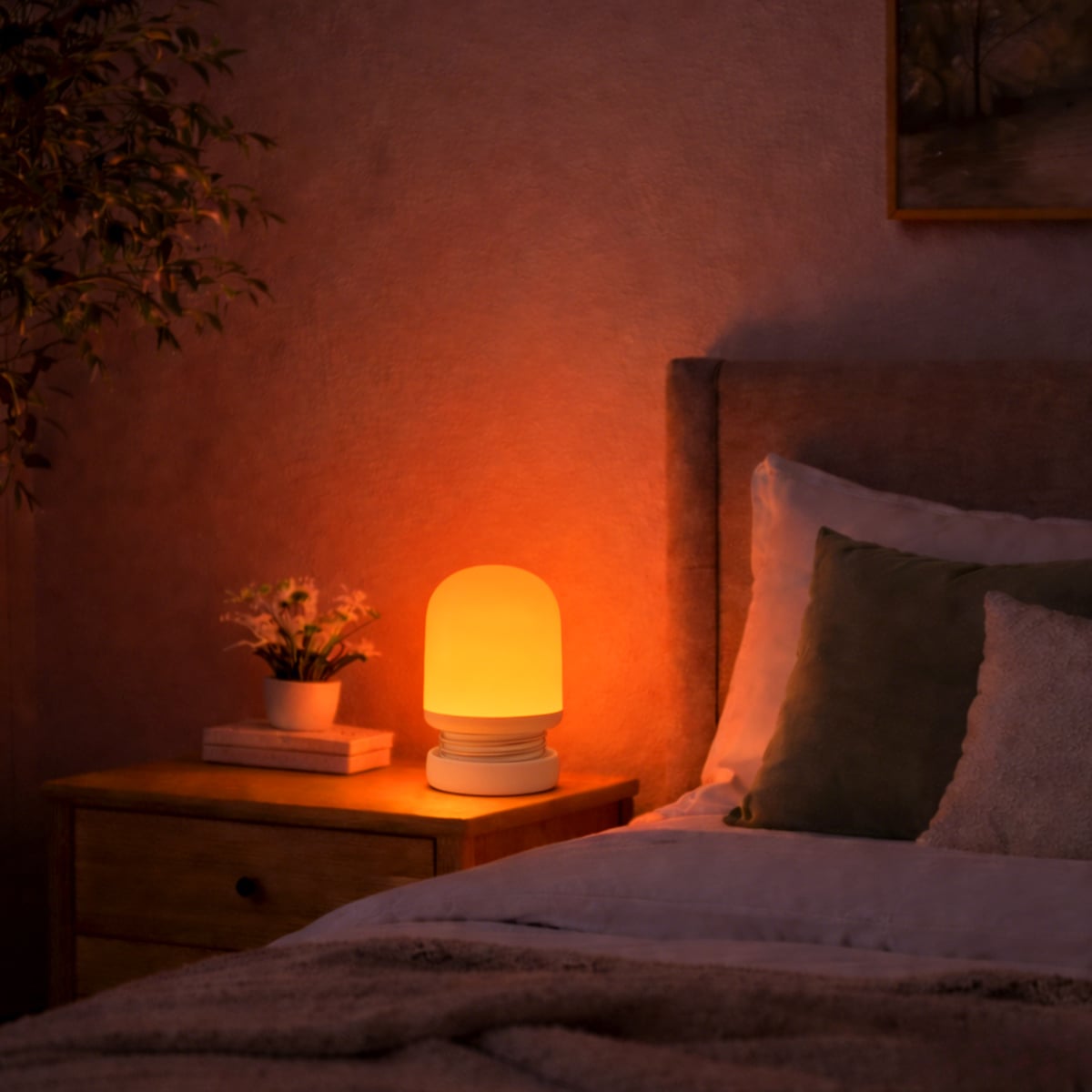
Contemporary red light therapy lamps feature aesthetic designs that integrate into home environments rather than appearing clinical or industrial. Manufacturers have prioritized compact form factors, adjustable mounting options, and stylish finishes that transform these devices into acceptable home furnishings. This design evolution removes psychological friction; consumers feel comfortable keeping red light therapy lamps visible in bedrooms, offices, and living spaces rather than storing them in closets. The normalization of red light devices as visible home health infrastructure mirrors how fitness equipment and meditation cushions have transitioned from specialty items to household staples.
Content Ecosystem and Consumer Education
The proliferation of social media content, podcasts, and online communities dedicated to red light therapy has created an educational infrastructure supporting red light therapy lamps adoption. Potential buyers can access protocol recommendations, usage guides, brand comparisons, and user testimonials from trusted voices within their interest communities. This organic content ecosystem accelerates awareness and trust-building far more effectively than traditional advertising. Additionally, red light therapy lamps manufacturers increasingly provide educational resources, research summaries, and protocol frameworks that empower consumers to use products effectively, creating satisfaction and retention that further fuels positive word-of-mouth momentum.
FAQ
What specific health outcomes drive consumer interest in red light therapy lamps?
Consumers purchase red light therapy lamps primarily for muscle recovery acceleration, inflammation reduction, improved sleep quality, skin health enhancement, and sustained energy levels. Athletes integrate these devices into post-workout recovery protocols, individuals managing chronic pain use them for symptom management, and people focused on longevity incorporate them into daily wellness routines. The diversity of perceived benefits means that red light therapy lamps appeal to wide demographic segments with varying health priorities, expanding the addressable market substantially.
How do home-based red light therapy lamps compare to professional clinic treatments?
Modern red light therapy lamps designed for home use deliver comparable wavelength specifications and irradiance levels to many clinical systems, though session duration and intensity protocols may differ. Home devices prioritize consistency and accessibility, allowing daily usage that some users find more beneficial than infrequent clinic visits. Professional systems often provide higher power outputs for acute treatment phases, while home red light therapy lamps excel at maintenance and preventive protocols. The optimal approach often combines both modalities: professional treatment for acute conditions followed by home-based red light therapy lamps for ongoing support and lifestyle integration.
What factors should consumers consider when selecting red light therapy lamps for home use?
Effective red light therapy lamps selection requires evaluating wavelength specifications (red around 660nm and near-infrared around 850nm are most researched), irradiance output measured in milliwatts per square centimeter, device size and coverage area, and intended usage scenarios. Consumers should verify that red light therapy lamps meet safety standards and include clear usage protocols for their specific health goals. Budget considerations matter, but focusing on wavelength accuracy and output specifications provides better value than choosing based on price alone. Reading independent reviews and researching manufacturer credentials helps ensure that selected red light therapy lamps deliver genuine therapeutic benefits rather than marketing-driven specifications.