
 EN


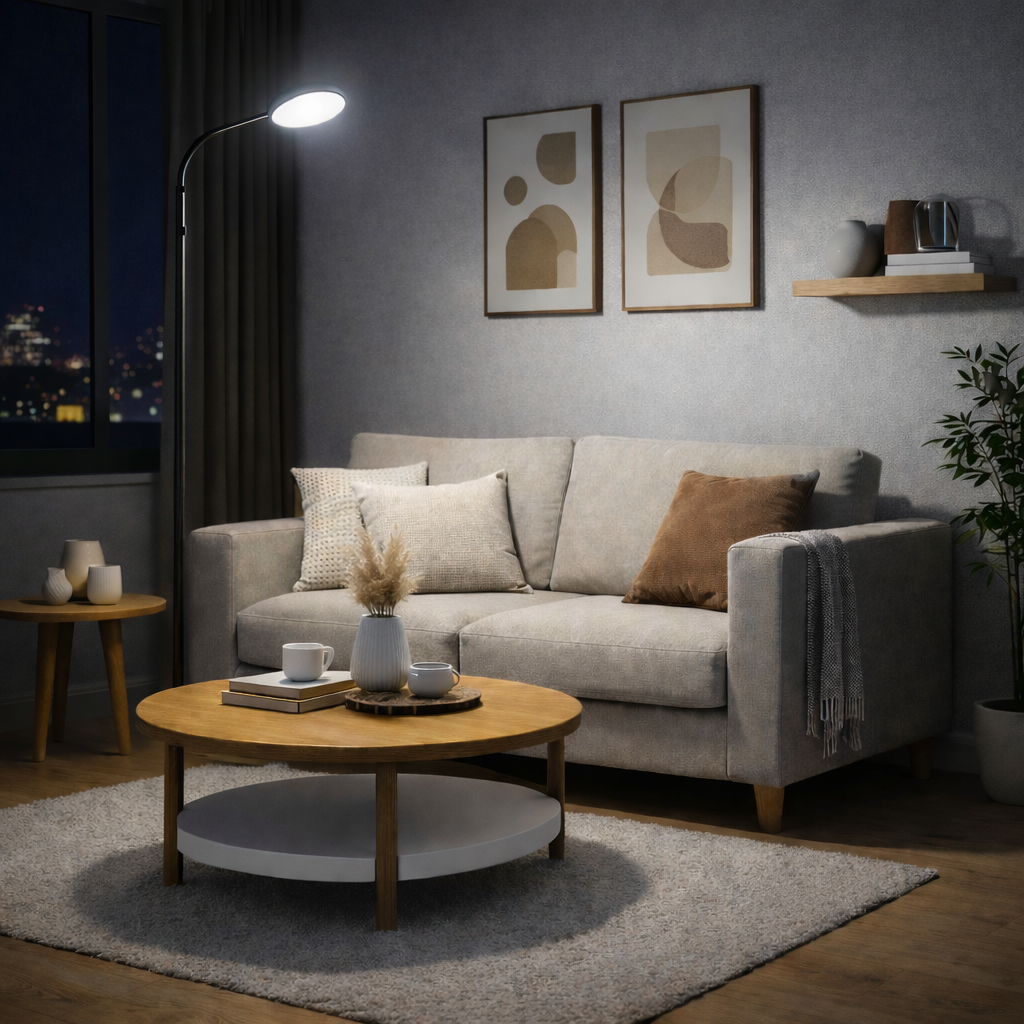
Selecting the right floor light for commercial environments requires balancing performance, longevity, and operational costs. Energy efficiency has become a critical factor for businesses aiming to reduce electricity consumption while maintaining adequate illumination across workspaces, retail areas, and facilities. A well-chosen floor light can deliver years of reliable service while significantly lowering utility bills and maintenance expenses. This guide explores the essential considerations for choosing energy-efficient floor light solutions designed to support long-term commercial success.

Commercial properties demand floor light fixtures that combine durability with efficiency to justify capital investment and operational budgets. Energy consumption directly impacts profitability, particularly in facilities operating extended hours or covering large spaces. An efficient floor light system reduces environmental impact while aligning with corporate sustainability goals and regulatory compliance standards. Understanding the technical and practical dimensions of floor light selection ensures your investment delivers measurable returns over time.
Understanding Energy Efficiency in Floor Light Technology
Core Efficiency Metrics for Floor Light Systems
Energy efficiency in a floor light is measured through lumens per watt, which indicates how much visible light output a floor light produces relative to power consumed. Traditional halogen and incandescent floor light fixtures typically deliver 10 to 15 lumens per watt, while modern LED floor light technology achieves 80 to 120 lumens per watt. This substantial difference means an LED floor light can replace an older floor light while consuming up to 85 percent less electricity. Wattage ratings alone do not determine a floor light's true efficiency; understanding lumen output ensures you select a floor light that maintains required brightness levels without wasting power.
How LED Floor Light Technology Reduces Operating Costs
LED floor light fixtures generate minimal heat compared to traditional floor light designs, reducing cooling system load in climate-controlled commercial spaces. A standard LED floor light operates with a lifespan of 25,000 to 50,000 hours, compared to 1,000 to 2,000 hours for incandescent floor light alternatives. This extended lifespan dramatically reduces replacement frequency and associated labor costs tied to maintaining a floor light inventory. Smart-enabled floor light systems offer dimming and scheduling features that optimize energy consumption based on occupancy and daylight availability, providing additional operational savings beyond basic floor light efficiency gains.
Key Selection Factors for Commercial Floor Light Applications
Assessing Brightness and Color Temperature Requirements for Floor Light
Commercial spaces require specific brightness levels depending on function; a floor light for general office areas typically needs 300 to 500 lumens, while a floor light in warehouse or industrial settings may require 1,000 lumens or higher. Color temperature of a floor light significantly affects worker productivity and comfort; cool white (5000K to 6500K) floor light promotes alertness in task-focused areas, while neutral white (3500K to 4100K) floor light suits general commercial environments. Selecting the correct lumen output and color temperature for your floor light application prevents over-specification that wastes energy or under-specification that compromises visibility and safety. A high-quality floor light specification sheet clearly lists these metrics, enabling direct comparison across options.
Durability and Maintenance Considerations for Commercial Floor Light
Commercial environments expose a floor light to dust, humidity, thermal cycling, and frequent on-off cycling that degrade performance. A robust floor light design includes sealed components and solid-state construction that withstand harsh conditions without premature failure or flickering. Consider whether your floor light requires IP65 or higher dust and moisture ratings, particularly in manufacturing, food service, or outdoor commercial applications. floor light fixtures designed with thermal management, reinforced bases, and shock-resistant components justify higher initial cost through extended service life and reduced downtime.
Implementation Strategy and Cost-Benefit Analysis
Calculating Total Cost of Ownership for Floor Light Systems
Total cost of ownership for a floor light includes purchase price, installation labor, electricity consumption over its lifespan, maintenance expenses, and eventual replacement. An energy-efficient floor light may cost 30 to 50 percent more upfront than conventional alternatives but recovers this premium through reduced energy bills within two to four years of operation. For a commercial facility operating 16 hours daily, switching 50 standard fixtures to an efficient floor light alternative can save between $3,000 and $6,000 annually in electricity costs alone. Factoring in reduced maintenance and fewer replacements, the three-year savings from an efficient floor light investment typically exceed 200 percent of the initial capital outlay.
Phased Adoption and Fleet Management for Floor Light Transitions
Large commercial properties benefit from transitioning systematically rather than replacing all floor light fixtures simultaneously, spreading capital expenditure and identifying optimized settings. Begin by upgrading a floor light section representing 20 percent of fixtures, documenting energy consumption, maintenance frequency, and performance metrics to establish a baseline. This pilot approach validates that your chosen floor light technology meets operational requirements before scaling to full deployment. Implementing centralized controls that manage your floor light network through occupancy sensors and scheduling software multiplies efficiency gains by ensuring a floor light operates only when necessary and at appropriate intensity levels.
FAQ
What makes an LED floor light more energy-efficient than traditional floor light options?
LED floor light technology converts 80 to 85 percent of electrical energy into visible light, whereas incandescent floor light converts only 5 to 10 percent, with the remainder dissipated as heat. An LED floor light achieves superior efficiency through solid-state semiconductor technology that eliminates the thermal waste inherent in filament-based floor light designs. Additionally, LED floor light can be instantly controlled and dimmed without efficiency loss, enabling optimization that traditional floor light systems cannot match.
How long does an energy-efficient floor light typically last in commercial settings?
A quality LED floor light rated for commercial use typically operates for 25,000 to 50,000 hours, translating to 10 to 20 years of continuous operation depending on usage patterns. Even with extended hours in 24/7 commercial facilities, a floor light designed for industrial duty maintains performance levels significantly longer than conventional alternatives. The actual lifespan of a floor light depends on environmental conditions, power quality, and thermal management; a floor light in a temperature-controlled office lasts considerably longer than one exposed to extreme thermal fluctuations.
Can an energy-efficient floor light reduce lighting quality or brightness levels?
Modern energy-efficient floor light technology delivers equal or superior light quality compared to older fixtures while consuming a fraction of the energy. An efficient floor light can be specified to produce precisely the same lumen output and color rendering index as its predecessor, ensuring no compromise in visibility or visual comfort. In fact, premium floor light models often provide superior color accuracy and reduced glare compared to traditional floor light options, improving working conditions while reducing energy costs.