
 EN


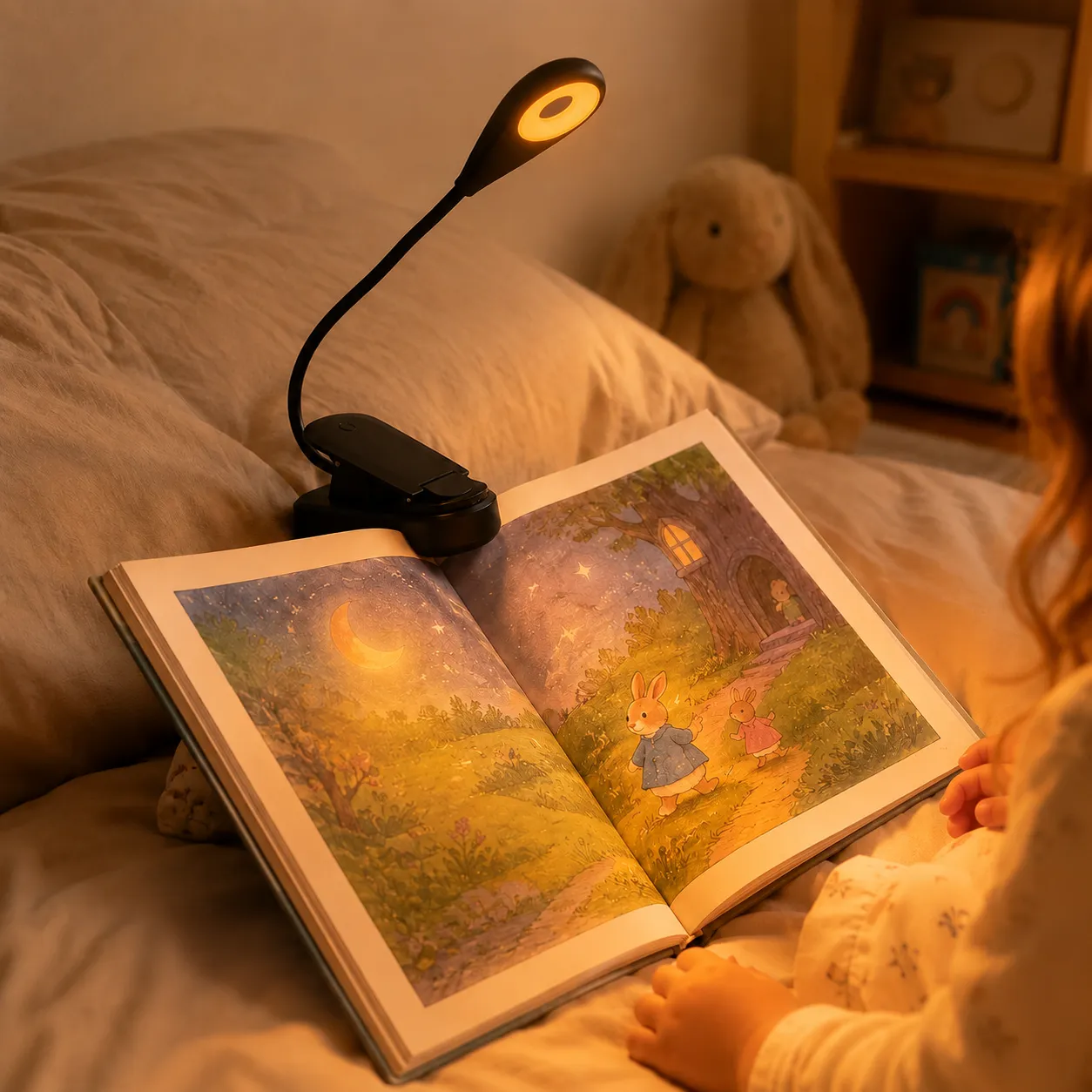
Long hours of reading, detailed work, or focused activities place considerable strain on the neck and eyes, particularly when lighting is inadequate or positioned poorly. A well-designed neck light solves this challenge by positioning illumination directly where it is needed most, eliminating the need to adjust body posture or rely on overhead fixtures that cast shadows. The comfort benefits of a properly engineered neck light extend far beyond simple convenience, addressing fundamental ergonomic principles that protect user health during extended sessions.
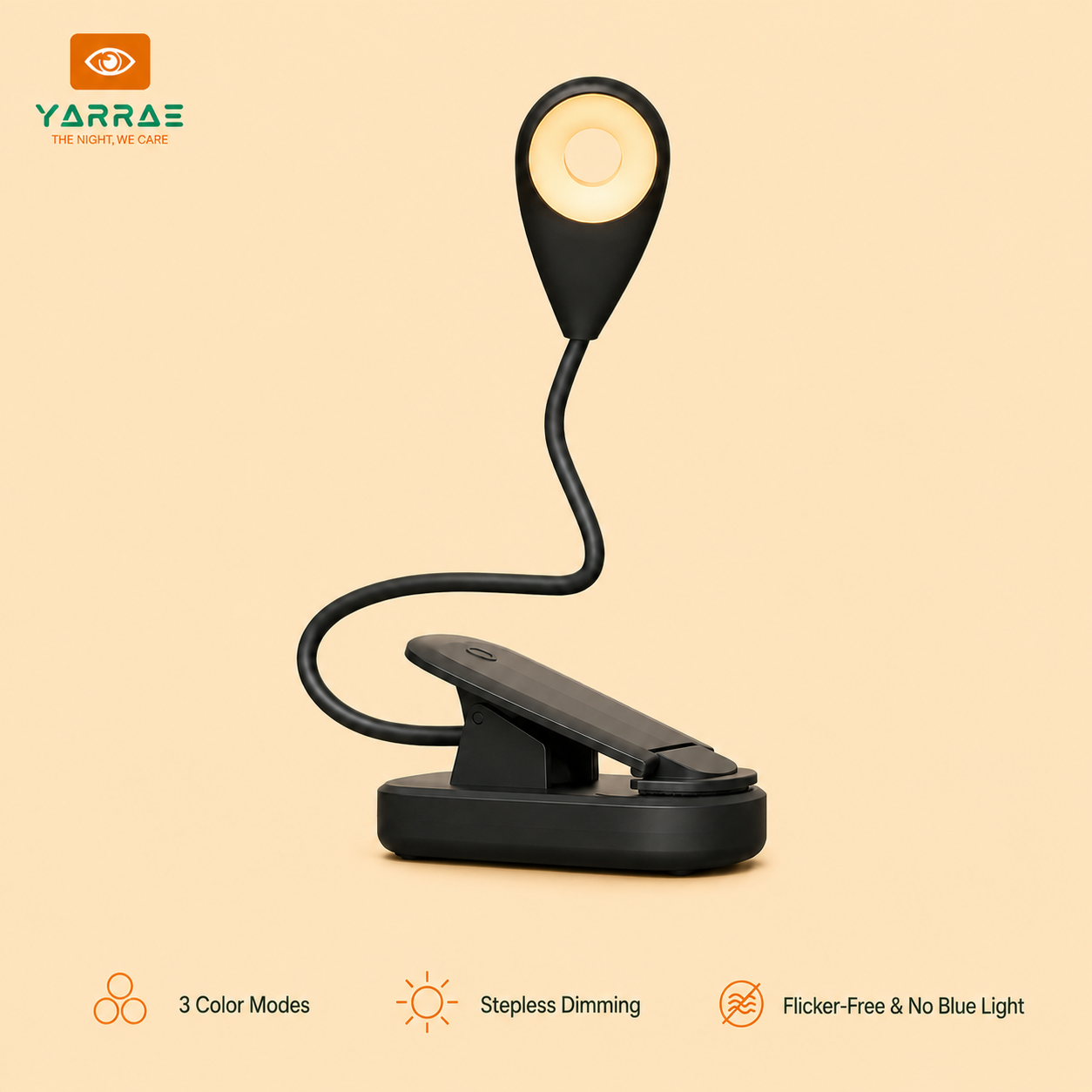
The design of a neck light directly influences how comfortably it can be worn for hours without causing fatigue, soreness, or distraction. When a neck light is thoughtfully engineered with proper weight distribution, flexible materials, and ergonomic geometry, users experience markedly reduced physical strain compared to traditional lighting solutions. Understanding how specific design elements contribute to sustained comfort helps users select and use neck light products that genuinely support their daily routines.
Weight Distribution and Neck Strain Reduction
How Balanced Weight Impacts Wearability
The most critical factor in neck light comfort is how weight is distributed across the shoulders and neck region. A poorly balanced neck light concentrates pressure on a single point, creating hotspots that lead to discomfort within thirty minutes to an hour. When a neck light is engineered with balanced weight distribution, the load spreads across a wider surface area, dramatically reducing pressure intensity. This principle is fundamental to extended wear comfort, as even light objects become burdensome when concentrated in small areas.
Premium neck light designs utilize lightweight materials such as flexible silicone, high-grade plastics, or aluminum alloys that minimize overall mass while maintaining durability. A well-engineered neck light typically weighs between 50 and 150 grams, depending on battery capacity and light output. The positioning of heavier components like batteries is strategically planned so the neck light's center of gravity sits as close as possible to the user's body centerline, reducing the leverage stress on neck muscles. This careful engineering ensures that even during eight-hour work sessions, users report minimal neck fatigue compared to conventional desk lamps or handheld flashlights.
Padding and Contact Surface Design
The materials that contact skin and clothing directly determine whether a neck light remains comfortable throughout extended use. A neck light with rigid contact surfaces will cause chafing, pressure marks, and localized discomfort even if overall weight is light. Effective neck light designs incorporate soft, breathable padding around all contact points, typically using memory foam or cushioned silicone that conforms to individual neck contours. This adaptive padding allows the neck light to distribute pressure more evenly and reduce the sensation of wearing a device.
The fabric or material covering the padding is equally important for long-term comfort. A neck light with moisture-wicking properties prevents sweat accumulation under the device, which can cause skin irritation and slippage during extended wear. Many modern neck light models feature washable padding covers that can be removed and cleaned, maintaining hygiene during months of regular use. When a neck light incorporates these surface-level design considerations, users naturally extend their wearing sessions without seeking relief breaks.
Ergonomic Positioning and Viewing Angles
Flexible Mounting and Adjustability
A static neck light that cannot adjust to different activities quickly becomes uncomfortable because users must compensate by repositioning their bodies. The best neck light designs incorporate flexible joints, articulating arms, or ball-and-socket connectors that allow light direction to be customized without removing the device. When a neck light can pivot, rotate, and tilt independently, users maintain neutral spine and neck postures regardless of their specific task, whether reading a book, performing detailed crafts, or conducting close inspections. This adaptability is essential for maintaining comfort across an eight-hour workday where activities and positioning naturally vary.
A neck light with multiple adjustment points also reduces the need for users to tilt their heads upward, downward, or sideways to see adequately. Poor head positioning compounds neck strain exponentially, as even a 15-degree forward tilt increases stress on neck muscles by up to 27 percent. When a neck light can be precisely angled to illuminate work surfaces at the user's natural eye level, the entire ergonomic profile improves dramatically. This feature transforms a neck light from a simple accessory into an active ergonomic tool that supports proper body mechanics.
Light Positioning Relative to Work Surface
The vertical and horizontal distance between a neck light's light source and the user's work surface directly affects viewing comfort and eye strain. A poorly positioned neck light casts shadows, creates uneven illumination, or forces eyes to work harder to process visual information. A well-designed neck light positions the light source approximately 12 to 18 inches from the work surface at a 30 to 45-degree angle, creating shadow-free illumination without direct glare into the user's field of vision. This specific geometry is based on decades of ergonomic research and ensures that work surfaces are evenly lit while the light source remains outside the primary line of sight.
When a neck light maintains this optimal positioning throughout extended use sessions, eye fatigue decreases substantially compared to ambient room lighting or overhead fixtures. Users report being able to work or read for four to five hours without experiencing the blurred vision, dry eyes, or headaches that typically accompany poor lighting conditions. The neck light's proximity to the work surface also means less overall light intensity is required to achieve adequate illumination, reducing glare and further enhancing comfort during long usage periods.
Material Properties and Long-Term Wearability
Flexibility and Movement Accommodation
The materials used to construct a neck light must balance rigidity, which is needed to maintain positioning, with flexibility, which is necessary for comfortable extended wear. A neck light made entirely from rigid plastic or metal becomes uncomfortable as it restricts natural neck movement and feels restrictive against the skin. Modern neck light engineering incorporates flexible materials that yield slightly to accommodate head movements while still supporting the light fixture securely. This combination of controlled flexibility and structural support allows a neck light to move naturally with the user's body without shifting or slipping.
Materials like flexible silicone, thermoplastic rubber, and articulated plastic joints allow a neck light to conform to different neck sizes and shapes without requiring constant readjustment. When a neck light incorporates these materials throughout its contact surfaces, users can wear the device for twelve hours or more without needing to remove it for relief. The psychological benefit of not needing to manage the device—whether thinking about where to set it or remembering to pick it up—also contributes to overall comfort and sustained usability during extended work sessions.
Durability and Wear Resistance
A neck light used for extended periods must maintain its structural integrity and comfort properties through months of regular wear. Materials that degrade, become brittle, or lose cushioning properties over time transform a comfortable device into a source of frustration and discomfort. Premium neck light designs utilize materials rated for thousands of flex cycles, ensuring that articulating joints remain smooth and padding maintains its shock-absorption properties indefinitely. This durability directly supports the comfort equation because a neck light that maintains its design integrity performs consistently whether worn on day one or day three hundred.
Additionally, a neck light with superior material quality resists heat damage from the LED light source, preventing plastic components from warping or becoming uncomfortable to touch. Users who select a neck light built with premium materials experience sustained comfort and reliability that justifies the investment, as the device performs as intended for years rather than months. This long-term consistency is particularly important for professionals who rely on their neck light as an essential tool rather than an occasional convenience.
FAQ
How long can I safely wear a neck light continuously?
Most users can comfortably wear a well-designed neck light for eight to twelve hours daily without experiencing soreness or discomfort, provided the device is properly fitted and adjusted for their specific needs. The limiting factor is typically not the neck light itself but rather the user's overall work endurance and the need for movement breaks. If you experience any persistent discomfort after wearing a neck light, check that it is not too tight, that padding is not compressed, and that weight is balanced evenly across both shoulders. Taking brief ten-minute breaks every two hours is recommended to allow blood circulation and muscle recovery, regardless of the quality of your neck light.
What design features matter most for neck light comfort during extended use?
The three most critical design features are weight distribution that prevents pressure hotspots, soft cushioned padding that contacts skin, and flexible joints that allow the neck light to adjust to your movements and positioning needs. Secondary features that enhance comfort include moisture-wicking materials, adjustable brightness to reduce eye strain, and light positioning that eliminates shadows on your work surface. When evaluating a neck light, test these features before committing to extended wear to ensure they align with your specific comfort requirements and work environment.
Can a neck light replace overhead lighting completely?
A neck light provides excellent task-specific illumination for work directly in front of you but is not designed to replace ambient room lighting entirely. The most comfortable setup combines a neck light for close-detail work with soft background lighting to reduce contrast and eye strain. This combination allows your eyes to adjust more easily when you look away from your task and reduces the dramatic shift in brightness that occurs when a neck light is your only light source. For extended work sessions, maintaining some ambient room lighting alongside your neck light creates the most ergonomically sound environment.