
 EN
EN


Full spectrum light represents one of the most important advancements in workplace and reading environments, fundamentally transforming how we experience visual tasks. When full spectrum light illuminates a space, it replicates the natural composition of daylight, delivering wavelengths across the entire visible spectrum. This comprehensive approach to lighting directly impacts both visual comfort and color accuracy, two critical factors that affect productivity, eye health, and task performance. Understanding how full spectrum light functions in your environment can guide better decisions about lighting choices for home offices, creative workspaces, and professional settings where color-critical work occurs.
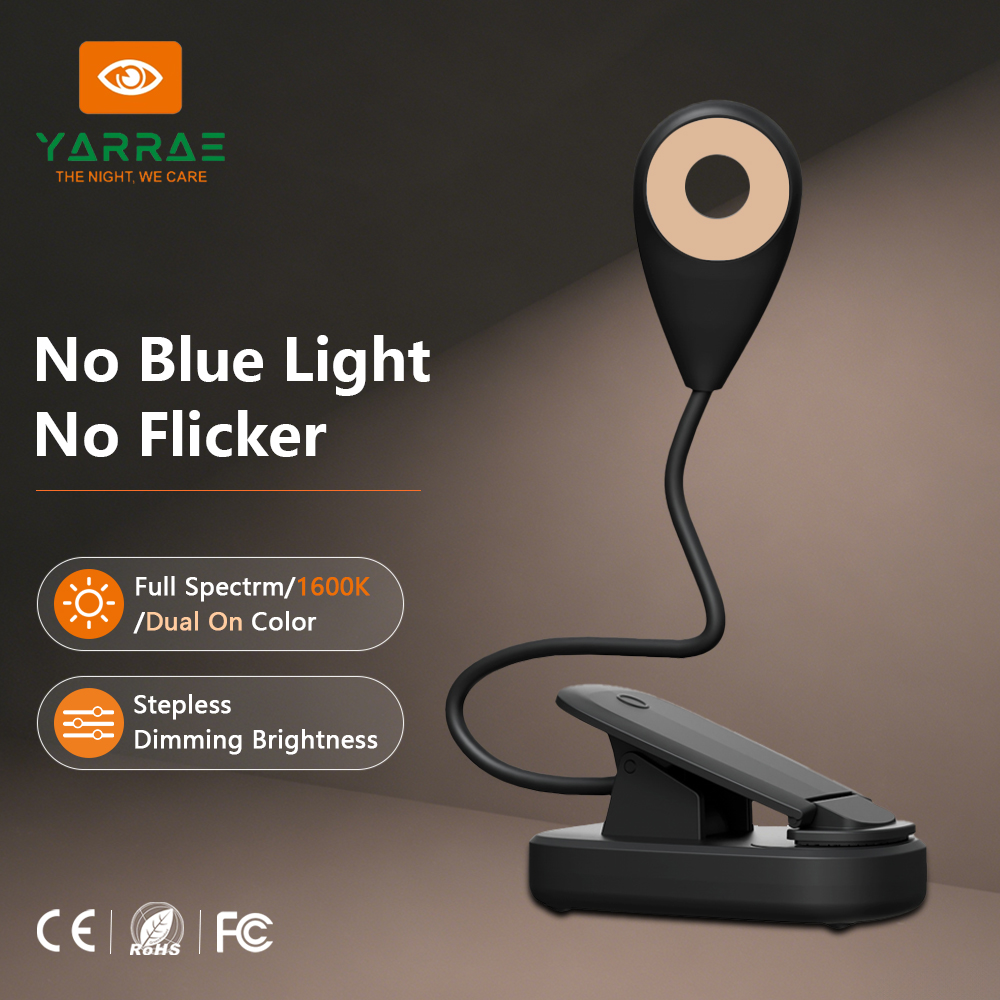
The science behind full spectrum light reveals why this type of illumination outperforms traditional lighting technologies. Full spectrum light contains balanced representation of red, green, and blue wavelengths, along with supporting spectral components that create a light quality matching natural sunlight. This spectral balance is measurable and reproducible through advanced LED technology, making full spectrum light increasingly accessible for various applications. By maintaining natural color rendering properties, full spectrum light reduces eye strain, supports circadian rhythm regulation, and enables accurate color perception during detailed visual work.
How Full Spectrum Light Reduces Visual Strain and Fatigue
The Role of Spectral Composition in Eye Comfort
Visual comfort depends heavily on how light wavelengths interact with the human eye. Full spectrum light distributes its energy across the visible range rather than concentrating intensity in narrow bands, which reduces the stress placed on photoreceptor cells in the retina. When your eyes encounter unbalanced light—such as light heavy in blue wavelengths or lacking sufficient red tones—they work harder to process visual information, leading to faster fatigue. Full spectrum light, by contrast, aligns with how the eye evolved to process natural daylight, allowing for more relaxed and sustainable visual performance over extended periods.
Blue Light Filtering and Circadian Rhythm Support
A significant contributor to visual comfort involves managing blue light exposure at different times of day. Full spectrum light contains blue wavelengths, but in proportion similar to natural sunlight rather than the excessive blue found in many LED sources. This balanced blue light exposure supports healthy circadian rhythm regulation, which in turn reduces eye fatigue and promotes better sleep quality after work. When full spectrum light is used during daytime hours, it signals to your body that it is time for alertness and focus, whereas traditional harsh lighting can disrupt these biological signals and increase perceived visual strain.
Color Accuracy and Material Assessment with Full Spectrum Light
Rendering True Color Without Distortion
Color accuracy is critical in design, photography, printing, textile work, and any field requiring precise material evaluation. Full spectrum light delivers high color rendering index (CRI) values, typically 90 or above, meaning colors appear true to how they would look under natural daylight. When full spectrum light illuminates an object, every color component reflects and absorbs light consistently across the entire spectrum, preventing the color shifts and hidden flaws that occur under monochromatic or limited-spectrum lighting. Professionals who depend on accurate color perception—whether matching fabric dyes, evaluating paint finishes, or inspecting finished products—rely on full spectrum light to eliminate decision errors caused by lighting defects.
Preventing Costly Errors in Color-Critical Work
Industries ranging from fashion to manufacturing understand that poor lighting choices lead to expensive mistakes. A garment dyed under traditional fluorescent light may appear incorrect when viewed in daylight, resulting in returns and reputational damage. Full spectrum light eliminates this discrepancy by providing the same color rendering properties as natural daylight. When full spectrum light is integrated into workstations where color assessment occurs, teams can make confident decisions about material acceptance, product quality, and design approval without requiring secondary verification under different lighting conditions. This reliability directly reduces waste, rework, and customer satisfaction issues.
Practical Implementation of Full Spectrum Light in Work Environments
Selecting and Positioning Full Spectrum Light Sources
Implementing full spectrum light in your workspace begins with understanding the available technologies and their applications. Modern LED sources can achieve full spectrum characteristics through phosphor blends and advanced diode configurations that replicate the solar spectrum. Full spectrum light options now include task lights, panel fixtures, and ambient lighting solutions, allowing flexible integration into existing spaces. When choosing full spectrum light, verify the color temperature rating (typically 4000K to 5000K for neutral daylight effect) and confirm CRI ratings above 90 to ensure authentic color reproduction. Strategic positioning of full spectrum light—particularly above or beside work surfaces—maximizes its benefits for both visual comfort and color assessment tasks.
Measuring and Verifying Full Spectrum Light Quality
Not all lighting marketed as 'full spectrum' delivers equivalent quality, so measurement and verification matter. Full spectrum light can be evaluated through spectral power distribution (SPD) analysis, which reveals whether the light source contains balanced wavelength distribution. Color temperature, measured in Kelvin, indicates the visual warmth or coolness of full spectrum light; a 4000K source provides neutral daylight character while 5000K sources lean toward slightly cooler daylight. Testing full spectrum light sources before widespread implementation—by evaluating how materials and colors appear, and monitoring eye strain over working hours—provides objective data for your decision. Professional lighting assessments can quantify whether full spectrum light in your environment meets standards for visual comfort and color accuracy appropriate to your specific tasks.
FAQ
What is the difference between full spectrum light and regular LED light?
Regular LED light often concentrates its spectral output in narrow bands, particularly heavy in blue wavelengths, while full spectrum light distributes energy evenly across the visible spectrum similar to natural sunlight. Full spectrum light delivers superior color rendering and reduces the eye strain associated with spectral imbalances. The primary distinction lies in spectral composition: full spectrum light supports healthier circadian rhythm regulation, more accurate color perception, and greater visual comfort during extended use, whereas standard LEDs may cause flickering artifacts, color distortion, and accelerated visual fatigue.
How does full spectrum light affect sleep quality?
Full spectrum light exposure during daytime work hours supports natural circadian rhythm regulation by signaling your body to maintain alertness and focus when daylight-like illumination is present. However, exposure to bright light—including full spectrum light—close to bedtime can delay sleep onset. For optimal sleep quality, transition away from full spectrum light and all bright sources at least one to two hours before sleep, allowing your body's melatonin production to begin naturally. Using full spectrum light strategically during work hours, then switching to warmer, dimmer lighting in the evening, creates the lighting pattern most aligned with human biology.
Can full spectrum light improve productivity in office environments?
Yes, research demonstrates that full spectrum light significantly enhances productivity by reducing eye strain, supporting better focus, and enabling more accurate task completion. Employees working under full spectrum light report fewer headaches, less visual discomfort, and improved alertness compared to those using conventional fluorescent or limited-spectrum lighting. Full spectrum light's alignment with natural daylight patterns also supports better mood regulation and circadian health, contributing to reduced absenteeism and sustained cognitive performance throughout the workday. Organizations implementing full spectrum light in office environments often see measurable gains in output quality and employee satisfaction.