
 EN
EN


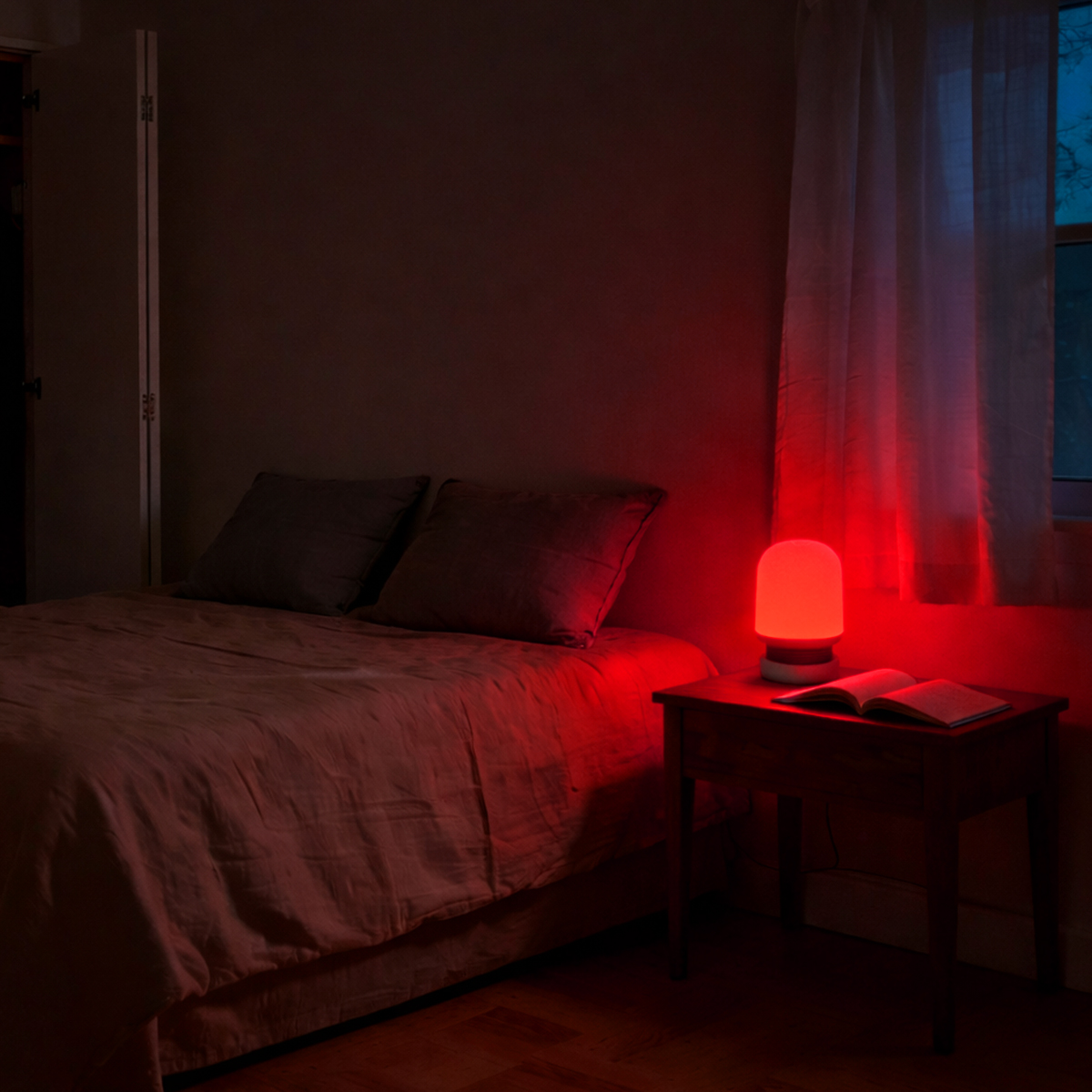
Your body operates on an internal clock called your circadian rhythm, and this biological cycle depends heavily on light exposure to function properly. Full spectrum light plays a crucial role in regulating this natural rhythm by mimicking the wavelengths found in sunlight. When you expose yourself to quality full spectrum light during the day, your body receives the right signals to maintain healthy sleep-wake cycles, improve mood, and support overall wellness. Understanding how full spectrum light works with your circadian rhythm can help you make informed decisions about your lighting environment at home and work.
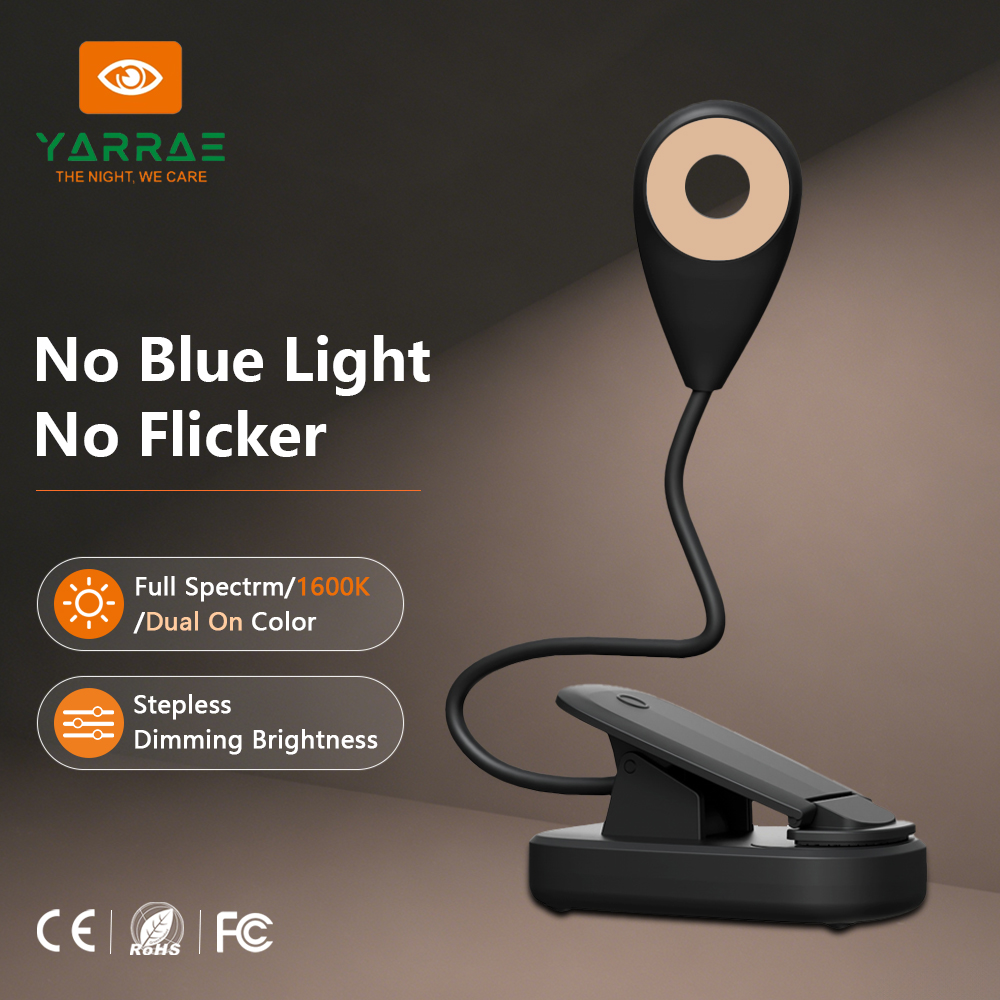
The science behind full spectrum light and circadian regulation is well-established in sleep medicine and chronobiology research. Full spectrum light contains a balanced distribution of wavelengths across the visible spectrum, including blue light frequencies that are particularly important for circadian synchronization. This comprehensive wavelength composition allows full spectrum light to communicate with photoreceptors in your eyes, which send signals to your brain's suprachiasmatic nucleus—the master clock controlling your entire circadian rhythm. By using full spectrum light strategically throughout your day, you can strengthen your body's natural timing mechanisms and experience better sleep quality, increased daytime alertness, and improved energy levels.
How Full Spectrum Light Influences Circadian Rhythm Function
The Role of Blue Light in Circadian Synchronization
Blue light wavelengths between 460 and 480 nanometers are the most powerful triggers for circadian rhythm regulation. Full spectrum light that includes these blue wavelengths activates intrinsically photosensitive retinal ganglion cells, which communicate directly with your brain's circadian clock. When you receive adequate blue light exposure from full spectrum light during morning and midday hours, your body recognizes it as daytime and strengthens your circadian rhythm's alignment with the 24-hour solar cycle. This proper alignment is essential because misalignment between your internal clock and external light signals creates circadian disruption, leading to sleep disorders, decreased productivity, and metabolic changes.
Wavelength Distribution and Rhythm Stability
Full spectrum light's strength lies in its complete wavelength distribution, not just blue light alone. While blue light is the primary circadian signal, full spectrum light provides red and green wavelengths that work synergistically to maintain rhythm stability and support melatonin regulation. Traditional artificial lighting often lacks this balanced wavelength composition, causing incomplete circadian signaling and rhythm desynchronization. Full spectrum light more closely matches natural sunlight's spectrum, allowing your body to interpret lighting correctly throughout the day. This comprehensive approach to light quality means full spectrum light supports not just sleep onset but also the overall stability and robustness of your 24-hour biological rhythm.
Practical Benefits of Full Spectrum Light for Circadian Health
Sleep Quality and Melatonin Production
When you use full spectrum light appropriately during daytime hours, your melatonin levels remain appropriately suppressed, allowing you to feel alert and focused when you need to be awake. In the evening, the absence of full spectrum light signals your body to begin melatonin production, supporting natural sleep onset. This proper melatonin rhythm is fundamental to circadian health, and full spectrum light is one of the most effective tools for maintaining it. People who spend their days under inadequate lighting, such as those in indoor office environments, often experience poor melatonin production and consequently struggle with sleep quality. Introducing full spectrum light into your daytime environment helps restore this critical melatonin rhythm, resulting in deeper sleep and easier sleep transitions.
Mood, Energy, and Cognitive Performance
Full spectrum light influences circadian rhythm through mechanisms that directly affect mood and energy regulation. Your circadian rhythm controls the timing of cortisol, a hormone that peaks in the morning to promote alertness and wakefulness. When full spectrum light provides strong circadian signals in the morning, your cortisol rhythm synchronizes properly, leading to better daytime energy and reduced afternoon fatigue. Research in occupational health shows that workers exposed to full spectrum light report improved mood, concentration, and overall job satisfaction compared to those in conventional lighting. The cognitive benefits of proper circadian rhythm regulation through full spectrum light include better memory consolidation, faster reaction times, and more consistent performance throughout the day.
Implementation Strategy for Optimal Circadian Support
Timing and Duration of Full Spectrum Light Exposure
To maximize circadian rhythm benefits from full spectrum light, morning exposure is critical. Ideally, you should receive strong full spectrum light within the first 30 to 60 minutes after waking, when your circadian clock is most sensitive to light signals. A daily exposure to full spectrum light for 20 to 30 minutes in the morning can meaningfully reset your circadian rhythm and improve sleep quality that same night. Full spectrum light exposure during midday hours reinforces circadian alignment without disrupting evening melatonin production. Conversely, full spectrum light should be minimized in the evening to allow your natural melatonin rhythm to rise and prepare your body for sleep.
Integration with Daily Work and Home Environments
For indoor workers and those with limited natural sunlight access, strategic use of full spectrum light is particularly beneficial. Positioning full spectrum light sources at eye level and within your visual field ensures maximum circadian impact compared to overhead or distant lighting. Full spectrum light bulbs in desk lamps, clip-on reading lights, or overhead fixtures can effectively support your circadian rhythm throughout your workday. The key consideration is ensuring your full spectrum light choice provides adequate lux levels—typically 2,500 to 10,000 lux—to trigger meaningful circadian responses. By treating full spectrum light as a circadian tool rather than just ambient illumination, you transform your environment into a space that actively supports biological rhythm alignment.
FAQ
Does full spectrum light work the same way as natural sunlight for circadian rhythm?
Full spectrum light closely mimics natural sunlight's wavelength distribution and circadian-regulating properties, making it an effective substitute when outdoor exposure is limited. While natural sunlight remains the ideal light source due to its intensity and complete spectrum, quality full spectrum light provides circadian stimulation that significantly outperforms conventional artificial lighting. The effectiveness depends on lux level, wavelength accuracy, and timing of exposure—full spectrum light with proper intensity during morning hours can deliver meaningful circadian benefits comparable to outdoor light exposure.
Can full spectrum light help if I have a disrupted circadian rhythm?
Yes, full spectrum light is one of the most evidence-based interventions for circadian rhythm disruption. Whether your rhythm is disrupted due to shift work, jet lag, or indoor lifestyle, systematic exposure to full spectrum light can help reset and stabilize your circadian cycle. Consistent morning full spectrum light exposure combined with evening darkness typically produces noticeable improvements in sleep quality within one to two weeks. However, severe circadian disorders may require professional guidance and possibly combination approaches that include behavioral changes alongside full spectrum light therapy.
How much full spectrum light exposure do I need daily for circadian benefits?
Most research suggests that 20 to 30 minutes of morning full spectrum light exposure at 2,500 to 10,000 lux significantly supports circadian rhythm regulation. The exact duration and intensity needed depends on individual factors including age, existing circadian dysfunction, and baseline light exposure in your environment. Starting with 20 to 30 minutes of morning full spectrum light is a practical beginning point; many people notice improved sleep and energy within days to weeks of consistent exposure.