
 EN
EN


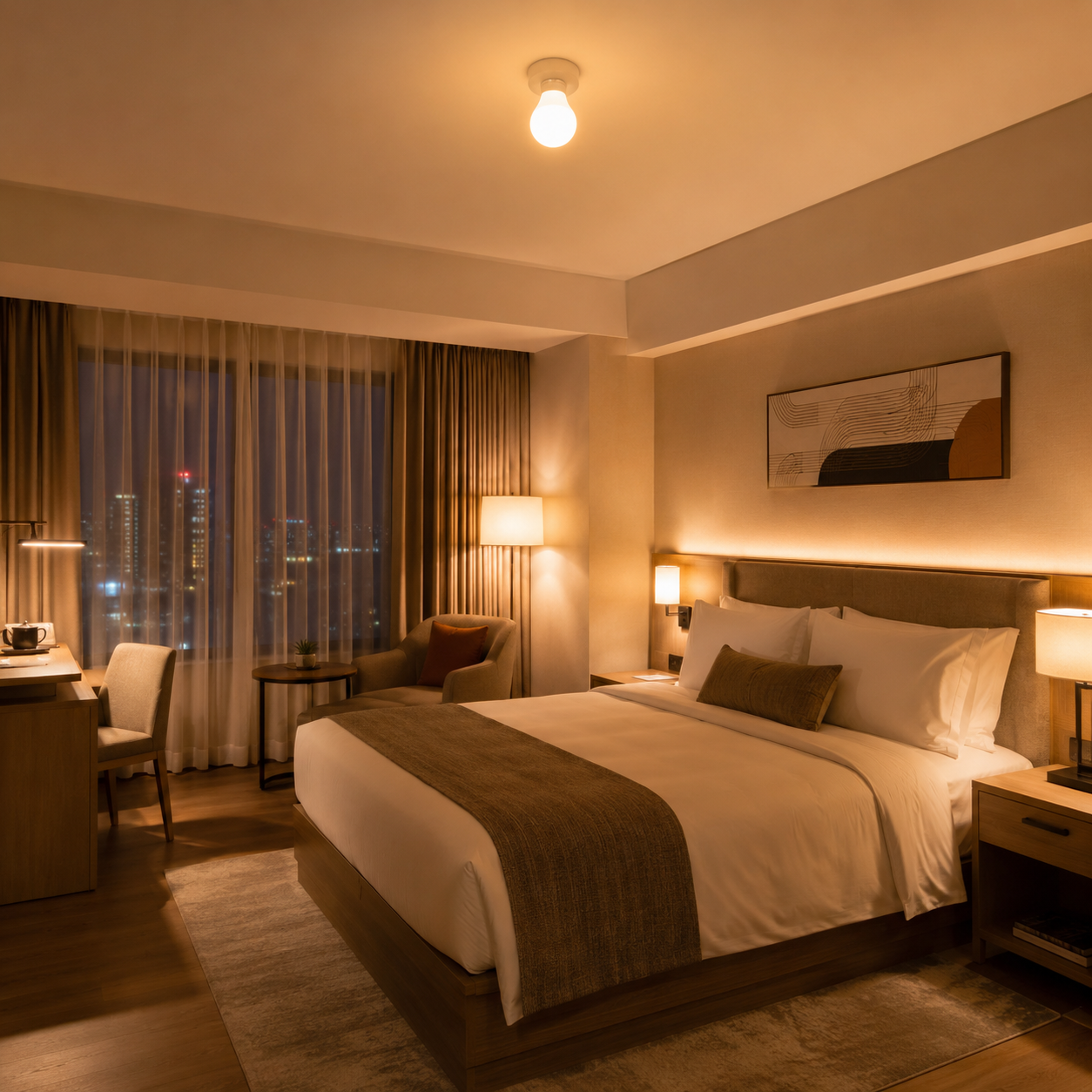
Oboseala oculară rămâne una dintre cele mai persistente provocări din spațiile moderne de muncă profesionale, afectând productivitatea, confortul și bunăstarea pe termen lung a angajaților. Angajații petrec ore întinse sub iluminat artificial care, adesea, nu reușește să reproducă lungimile de undă echilibrate ale luminii naturale de zi, determinând stresul ocular digital, cefaleele și scăderea performanței vizuale. Tehnologia luminii cu spectru complet oferă o soluție convingătoare, emițând lungimi de undă care se apropie foarte mult de cele ale luminii solare naturale, creând un mediu în care ochii funcționează mai eficient și suferă mai puțină tensiune pe parcursul întregii zile de muncă.
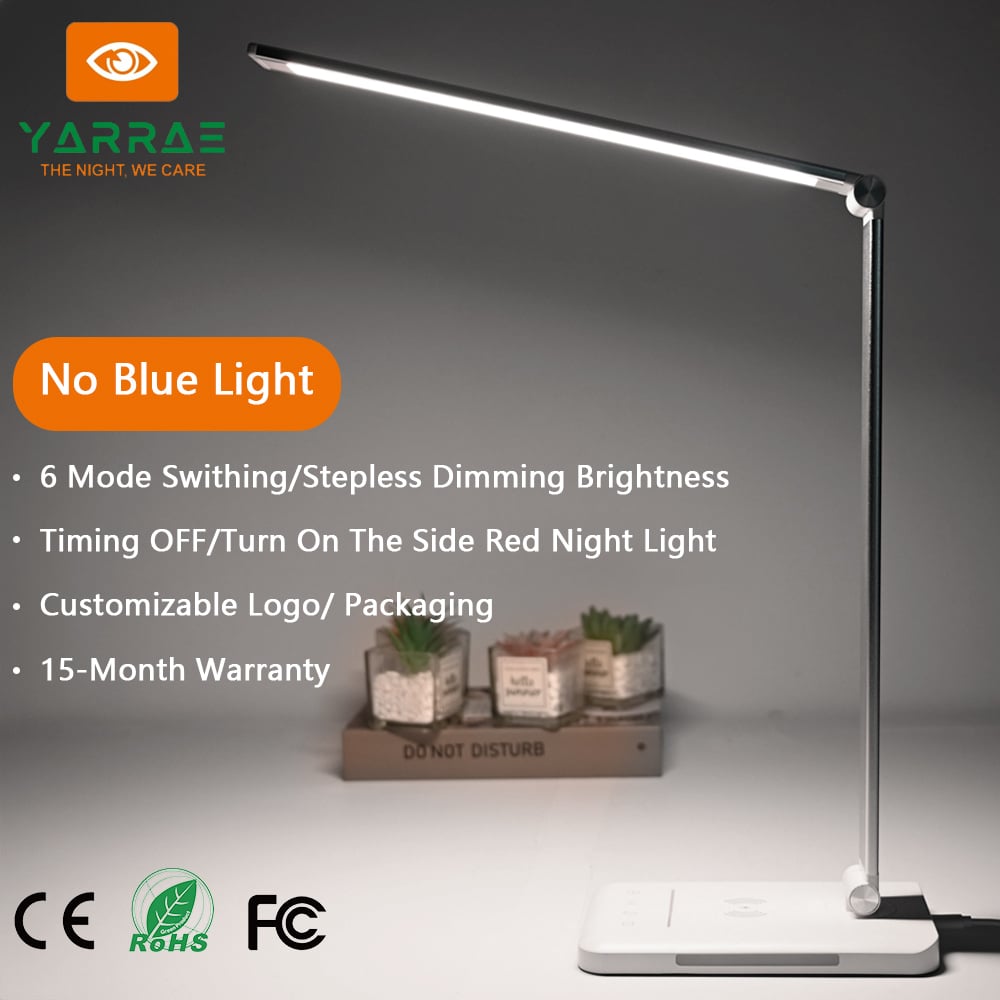
Înțelegerea modului în care lumina cu spectru complet reduce oboseala oculară necesită examinarea atât a științei vederii, cât și a cerințelor specifice ale mediilor profesionale de muncă. Iluminatul tradițional fluorescent și incandescent lipsește adesea spectrul complet de culori pe care ochii umani au evoluat să-l proceseze, forțând sistemul vizual să lucreze mai mult și provocând oboseala mai rapid. Când organizațiile investesc în soluții de iluminat cu spectru complet, ele remediază o neconcordanță fundamentală între iluminarea din spațiul de lucru și fiziologia vizuală umană, obținând îmbunătățiri măsurabile în confort și performanță.
Cum sprijină lumina cu spectru complet confortul vizual
Știința din spatele reducării efortului ocular
Lumina cu spectru complet conține întreaga gamă de lungimi de undă vizibile, de la violet până la roșu, imitând compoziția luminii naturale de zi. Această distribuție echilibrată a lungimilor de undă permite ochiului uman să perceapă culorile mai precis și să prelucreze informația vizuală cu un efort compensator redus. Când lucrătorii lucrează sub lumina cu spectru complet, mușchii ciliari responsabili de focalizare suferă o tensiune redusă, deoarece calitatea luminii sprijină modelele naturale de acomodare vizuală. Celulele conice din retină, care gestionează vederea în culori și recunoașterea detaliilor fine, funcționează mai eficient atunci când sunt expuse întregului spectru de culori, nu doar lungimilor de undă limitate ale iluminării artificiale convenționale.
Alinierea ritmului circadian și alerta
Lumina cu spectru complet conține în mod natural niveluri ridicate de lungimi de undă albastre în timpul orelor de zi, ceea ce semnalizează creierului să mențină vigilenta și să regleze corespunzător producția de melatonină. Spațiile profesionale de muncă care implementează lumina cu spectru complet ajută la menținerea unei alinieri circadiene adecvate, reducând scăderile de energie din după-amiază, care apar frecvent în condiții de iluminare inadecvată. Atunci când ceasul intern al organismului rămâne sincronizat cu semnalele luminoase potrivite, funcția cognitivă se îmbunătățește, iar ochii suferă mai puțină tensiune compensatorie datorită luptei împotriva dezalinerii circadiene. Această aliniere este deosebit de benefică pentru lucrătorii implicați în sarcini care necesită atenție detaliată, unde concentrarea prelungită este esențială pentru siguranță și precizie.
Implementarea practică a luminii cu spectru complet în spațiile de muncă
Selectarea soluțiilor potrivite de lumină cu spectru complet
Organizațiile care implementează lumină cu spectru complet trebuie să țină cont de clasificările temperaturii de culoare, măsurate în unități Kelvin, pentru a selecta iluminarea potrivită cerințelor specifice ale sarcinilor și orei zilei. Lumina cu spectru complet din intervalul 5000K–6500K oferă, de obicei, o iluminare echivalentă cu cea naturală, ideală pentru lucrul detaliat și sarcinile analitice, în timp ce lumina cu spectru complet ușor mai caldă, în jurul valorii de 4000K, este potrivită pentru mediile de birou generale și spațiile de întâlniri. Aplicația specifică a luminii cu spectru complet depinde de faptul dacă angajații efectuează sarcini de precizie care necesită acuitate vizuală maximă sau desfășoară funcții administrative mai generale, unde o nuanță ușor mai caldă sporește confortul fără a compromite claritatea. Lampile de birou care oferă lumină cu spectru complet reglabilă permit fiecărui angajat să-și personalizeze intensitatea iluminării și temperatura de culoare pe parcursul întregii schimbări, adaptându-se atât nevoilor de vigilență dimineața, cât și tipurilor de activitate din după-amiază.
Poziționarea și calibrarea intensității
Utilizarea eficientă a luminii cu spectru complet necesită o poziționare gândită, pentru a reduce la minimum strălucirea, păstrând în același timp o iluminare adecvată pe suprafețele de lucru. Lumina cu spectru complet plasată direct deasupra crează adesea umbre accentuate și strălucire reflectată pe ecrane, în timp ce lumina cu spectru complet provenită de la lămpi de birou, plasate strategic, oferă o iluminare direcționată care reduce stresul ocular legat de contrast. Intensitatea luminii cu spectru complet trebuie să corespundă iluminării ambientale din spațiul de lucru, pentru a preveni un contrast excesiv între suprafața de lucru și mediul înconjurător; o strălucire excesivă produsă de lumina cu spectru complet poate, paradoxal, crește obosirea dacă generează o discontinuitate vizuală pronunțată. Suprapunerea luminii cu spectru complet din mai multe surse — iluminare ambientală, iluminare specifică sarcinii și iluminare de accent — creează un mediu vizual echilibrat, în care ochii se adaptează treptat și mențin un confort constant.
Beneficii măsurabile și rezultate în spațiul de lucru
Îmbunătățiri documentate ale confortului vizual și al productivității
Numeroase studii realizate în mediul de muncă demonstrează că instalarea luminii cu spectru complet este asociată cu o reducere a plângerilor legate de obosirea oculară, cu mai puține cazuri de oboseală oculară digitală și cu îmbunătățirea ratelor de finalizare a sarcinilor. Angajații raportează îmbunătățiri subiective ale confortului vizual în decurs de câteva zile după trecerea la lumina cu spectru complet, iar organizațiile observă adesea o scădere a absenteismului cauzat de dureri de cap și disconfort ocular. lumină cu spectru complet capacitatea acestei tehnologii de a reduce oboseala oculară permite, de asemenea, angajaților să mențină o acuitate vizuală superioară pe perioade mai lungi, ceea ce este deosebit de important pentru sectoarele care implică fabricație de precizie, inspecție calitativă, activități de proiectare sau sarcini administrative detaliate.
Bunăstarea și retenția pe termen lung a angajaților
Organizațiile care acordă prioritate luminii de spectru complet în proiectarea spațiilor de lucru demonstrează un angajament față de sănătatea angajaților, un factor din ce în ce mai important pentru atragerea și păstrarea talentelor. Oboseala cronică a ochilor contribuie la probleme mai ample de sănătate, inclusiv dureri de cap tensionale, tensiune cervicală și scăderea satisfacției generale legate de muncă, iar lumina de spectru complet ajută la atenuarea acestor probleme prin abordarea cauzei fundamentale legate de iluminare. Atunci când angajații beneficiază de condiții vizuale confortabile datorită soluțiilor de lumină de spectru complet, își mențin o postură mai bună, suferă mai puține leziuni cauzate de compensări ale poziției corporale și raportează scoruri mai ridicate de satisfacție în locul de muncă. Investiția în lumină de spectru complet devine parte integrantă a unei strategii globale de bunăstare care transmite angajamentul organizației față de sănătatea fizică a angajaților și de condițiile de muncă.
Întrebări frecvente
Costă lumina de spectru complet semnificativ mai mult decât iluminatul obișnuit de birou?
Deși investiția inițială în instalațiile de iluminat cu spectru complet depășește în mod obișnuit costul sistemelor convenționale cu 20–40%, costul total de deținere este adesea mai avantajos pentru iluminatul cu spectru complet, dacă se iau în calcul reducerea plângerilor legate de oboseala oculară, scăderea absenteismului și creșterea productivității. Variantele moderne de iluminat cu spectru complet bazate pe tehnologia LED au devenit din ce în ce mai accesibile, iar eficiența energetică a LED-urilor înseamnă că iluminatul cu spectru complet consumă adesea mai puțină energie decât vechile sisteme fluorescente, oferind în același timp o calitate superioară a luminii.
Poate iluminatul cu spectru complet elimina în întregime oboseala oculară în activitățile intensive cu dispozitive digitale?
Lumina cu spectru complet reduce în mod semnificativ oboseala oculară cauzată de neconformitatea iluminării, dar funcționează cel mai eficient atunci când este combinată cu o poziționare corectă a ecranului, regula 20-20-20 pentru pauze vizuale și setări adecvate ale luminozității monitorului. Lumina cu spectru complet abordează un factor critic care contribuie la tensiunea oculară digitală, dar prevenirea cuprinzătoare a oboselei oculare necesită, de asemenea, atenție acordată ergonomiei, setărilor ecranului și ajustărilor practice de muncă pentru a maximiza beneficiul general.
Cât de repede ar trebui să observe angajații îmbunătățiri după implementarea luminii cu spectru complet?
Majoritatea angajaților raportează reducerea perceptibilă a oboselii ochilor și o alertă îmbunătățită în prima săptămână de tranziție către lumina cu spectru complet, adaptarea optimă având loc, de obicei, în decurs de două până la trei săptămâni, pe măsură ce sistemul vizual și ritmul circadian se adaptează la calitatea îmbunătățită a iluminării. Răspunsul individual variază în funcție de expunerea anterioară la iluminare, corecția vizuală existentă și sarcinile specifice de muncă, dar utilizarea constantă a luminii cu spectru complet demonstrează în mod constant beneficii cumulative în ceea ce privește confortul și performanța.
Cuprins
- Cum sprijină lumina cu spectru complet confortul vizual
- Implementarea practică a luminii cu spectru complet în spațiile de muncă
- Beneficii măsurabile și rezultate în spațiul de lucru
-
Întrebări frecvente
- Costă lumina de spectru complet semnificativ mai mult decât iluminatul obișnuit de birou?
- Poate iluminatul cu spectru complet elimina în întregime oboseala oculară în activitățile intensive cu dispozitive digitale?
- Cât de repede ar trebui să observe angajații îmbunătățiri după implementarea luminii cu spectru complet?