
 EN
EN


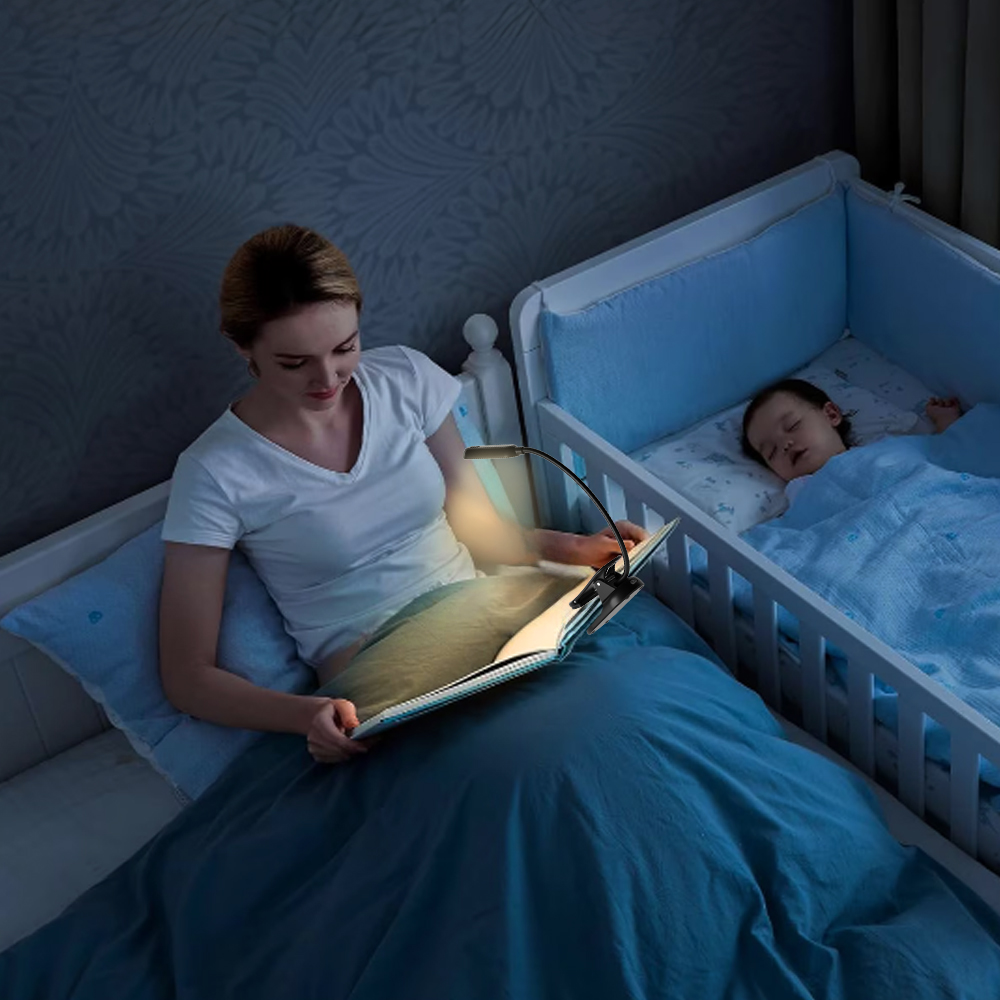
Liikumistunduriga valgustuse tehnoloogia on põhimõtteliselt muutnud meie lähenemist elumajade turvalisusele ja energiatõhususele. Kui te paigaldate liikumistunduriga valgustuse treppidele ja koridoritesse, saate automaatselt aktiveeruva valgustuse, mis süttib täpselt siis, kui seda vajatakse, ja lülitub välja, kui ruumid tühjenevad. See nutikas lähenemine kõrvaldab ärevuse, mis tekib nõrgas valguses nuputades valguslüliti otsimisel, samal ajal kui see vähendab elektrienergia tarbimist. Liikumistunduriga valgustus on üks praktilisemaid täiendusi, mille koduomanikud oma eluruumides mugavuse ja turvalisuse parandamiseks rakendada saavad.
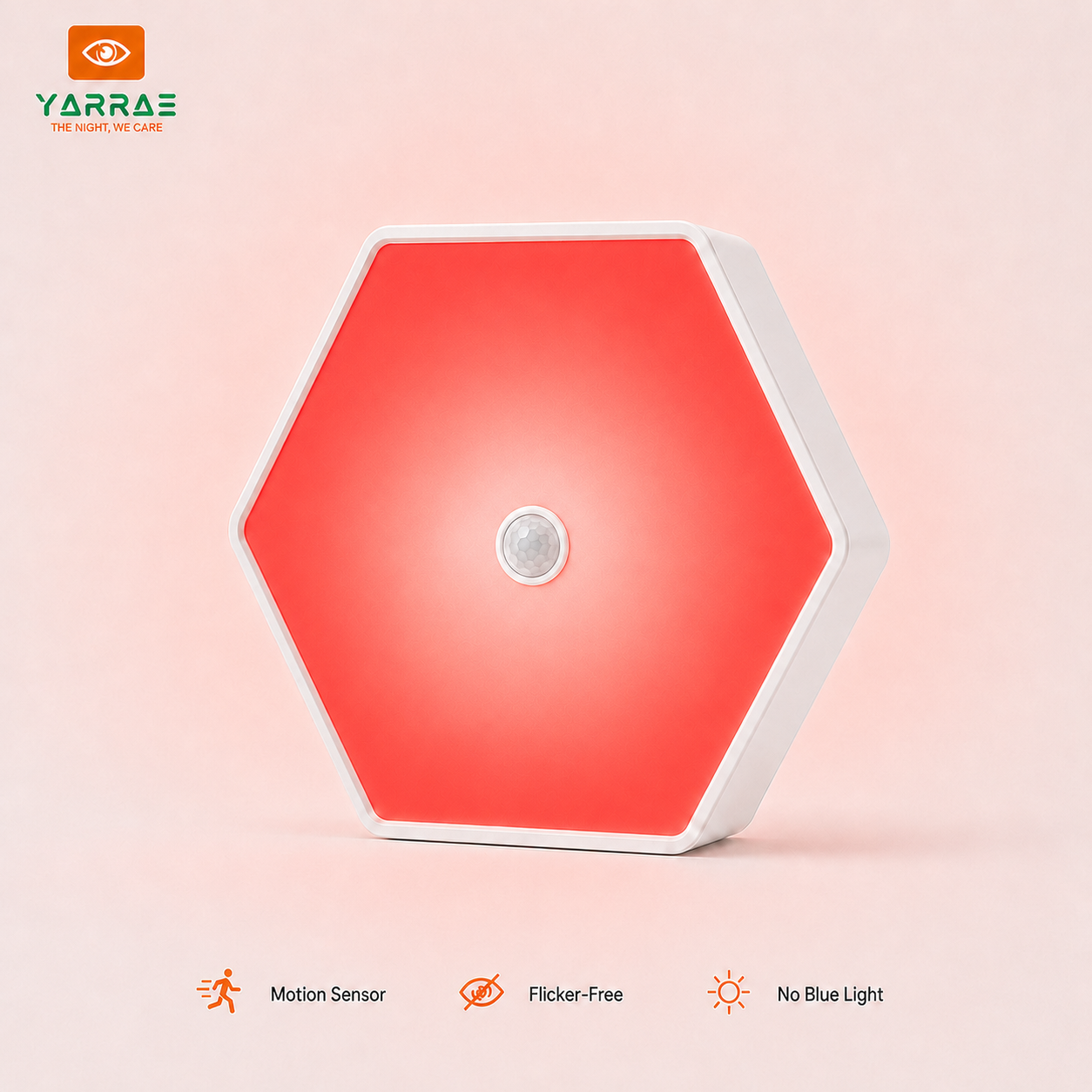
Liikumistunduriga valgusti peamiseks eeliseks on selle võime pakkuda reageerivat valgustust ilma käsitsi sekkumiseta. Kas te liigute öösel treppidel, liigute koridoris käes olevate esemetega või reageerite kodu häirele – liikumistunduriga valgusti aktiveerub kohe, kui see liikumist tuvastab. See sujuv funktsionaalsus on eriti kasulik peredele, kus on lapsed, vanemad liikmemed või kõik need, kes soovivad öösel suuremat turvalisust. Turvalisusest kaugemale ulatub liikumistunduriga valgustite operatsiooniline tõhusus ka energiakulude vähendamiseni, mis aitab madaldada kasutamiskulusid ja toetada keskkonnasäästu eesmärke.
Kuidas liikumistunduriga valgustite tehnoloogia töötab
Tuvastamise ja aktiveerimise mehhanism
Liikumistunduriga valgusallikas töötab infrapunase või passiivse infrapunase tehnoloogia abil, mis tuvastab soojusjälgi ja liikumist oma tundlikkusalas. Kui inimene siseneb treppidesse või koridorisse, tuvastab sensor liikumise ja annab signaali valgusallikale, et see aktiveeruks automaatselt. Liikumistunduriga valgusallikas reageerib millisekundites, tagades, et pimeduses ei tekiks kõndimisel üle otsa kukkumise ohtu. Enamik kaasaegseid liikumistunduriga valgusallikaid on varustatud reguleeritava tundlikkusega, mis võimaldab kohandada tuvastusulatust 1,8 kuni 12 meetrini vastavalt teie koridori mõõtmetele ja liikumismustrile. See täpselt reguleeritav seadistus tagab, et liikumistunduriga valgusallikas aktiveerub õigel ajal ilma liialdatud valeaktiveerimisteta, mida võivad põhjustada õhuvoolud või väikesed liikuvad objektid.
Ajastus- ja deaktiveerimisfunktsioonid
Kvaliteetset liikumistunduriga valgustid sisaldavad programmeeritavaid ajatäitemääteid, mis määravad, kui kaua valgus säilib pärast liikumise lõppu. Tüüpilised seaded võimaldavad reguleerida täitmisaega 30 sekundist kuni 10 minutini, mis võimaldab tasakaalustada energiasäästu ja praktilist valgustusaja pikkust. Liikumistunduriga valgusti sobivate ajatäitemäätega vältib ärritavat olukorda, kus valgus lülitub välja siis, kui ruumi endiselt aktiivselt kasutatakse. Treppide ja koridorite puhul pakub tavaliselt optimaalset tulemust 2–5 minuti pikkune täiteaeg, hoides ruumid valgustatuna tavapärase liikumise ajal ja säästes energiat pikaajalisel mitteaktiivsuse ajal. Liikumistunduriga valgusti ajastamise tööpõhimõtte mõistmine aitab süsteeme nii konfigureerida, et need vastaksid teie kodu liikumismustritele.
Liikumistunduriga valgustite paigaldamise ohutus- ja turvavõimalused
Õnnetuste ennetamine ja häirekorral reageerimine
Liikumistunduriga valgusti paigaldamine treppides vähendab oluliselt langemisohu, mis on seotud halva nähtavuse ja astmete vaatamata jätmisega. Uuringud näitavad, et ebapiisav treppide valgustus panustab oluliselt elamu vigastuste tekkele, eriti vanemate inimeste ja laste seas. Liikumistunduriga valgusti kõrvaldab ohtliku viivituse, mis tekkib pimedasse ruumi sisenemise ja lülitile leidmise vahel, ja tagab kohe nähtavuse turvaliseks liikumiseks. Hädaolukordades võimaldab liikumistunduriga valgusti kiiret liikumist koridorites ilma viivituseta – see on kriitiliselt tähtis, kui reageeritakse kodusingi või evakueeritakse ebatäpselt ettenähtud olukordades. Liikumistunduriga valgustite hetkeline aktiveerumine parandab otsest ja mõõdetavat turvalisust kogu elamukeskkonnas.
Turvalisuse takistusmõju
Liikumustundliku valgusti kasutamine annab turvalisuse paranduse lisaks isiklikule ohutusele, kuna see valgustab ala juhul, kui toimub volitamata sissepääs. Hästi paigaldatud liikumustundlikud valgustid aktiveeruvad ootamatult öösel, loodes elupaiga olemasolu muljet, mis takistab potentsiaalseid sissetungijaid. Koridorite ja treppide liikumustundlikud valgustisüsteemid aktiveeruvad siis, kui esinevad ebatavalised liikumismustrid, teadvustades elanikele võimalikke turvalisuse probleeme. Selle kahekordse funktsionaalsuse tõttu täidab liikumustundlik valgusti samaaegselt nii isikliku ohutuse kui ka vara turvalisuse ülesandeid, maksimeerides teie investeeringu selle tehnoloogia kasu. Paljud koduomanikud hindavad seda, kuidas liikumustundlikud valgustisüsteemid parandavad nende turvalisustunnet ilma pideva käsitsi sekkumiseta.
Energiatehlikus ja kulutuste sääst liikumustundlike valgustisüsteemidega
Elektrienergia tarbimise vähendamine
Traditsiooniline pidevalt sisse lülitatud koridori ja treppide valgustus tarbib aeglaselt olulise koguse elektrit, eriti kaasaegsetes kodudes, kus need ruumid jäävad sageli tühjaks. Liikumistundliku valgusti kasutuselevõtt vähendab elektrienergia tarbimist tüüpilistes eluruumides 50–70 protsenti, kuna valgustus aktiveerub ainult tegeliku kasutamise ajal. Ühe liikumistundliku valgusti paigaldamisest tulenev aastas kokku kogutav elektrienergia sääst võib ulatuda 15–30 kilovatt-tunnini, mis avaldub mõõdetavas vähenduses kuu likvideerimisarvetes. Kui seda efektiit kasutatakse mitmes koridoris, trepikojas ja sissepääsupiirkonnas, siis kogu energiasääst muutub oluliseks. Liikumistundlik valgustus teisendab passiivse energiakadu valikuliselt ja nõudluse järgi toimiva valgustusena, mis vastab kaasaegsetele energiasäästu standarditele.
Pikaajaline rahaline mõju
Liikumissensoritega valgustite paigaldamisel saavutatakse finantselised eelised mitte ainult otsest elektrienergia säästmist, vaid ka teiste tegurite kaudu. Enamik kvaliteetseid liikumissensoritega valgustusseadmeid kasutab LED-tehnoloogiat, mille eluiga on oluliselt pikem kui traditsiooniliste kuumaahjulampide või luminesentslampide oma. Liikumissensoritega valgustusseade, mis kasutab LED-komponente, töötab 25 000 kuni 50 000 tundi, mistõttu tuleb lambipirnide vahetamine teha väga harva, mis vähendab hoolduskulusid ja materjalide jäätmeid. Vähendatud energiatarbimise ja minimeeritud hoolduse kombineeritud mõju muudab liikumissensoritega valgustussüsteemid nende kasutusaja jooksul erakordselt majanduslikult otstarbekaks lahenduseks. Kui arvutada kogukulu omanikule viie kuni kümne aasta jooksul, näitab liikumissensoritega valgustustehnoloogia kodumasinate paigaldusprojektidele tugevat finantslist põhjendust.
Liikumissensoritega valgustusseadmete paigaldamise ja optimeerimise strateegiad
Paigutuse kaalutlused ja katvus
Tõhus liikumistunduriga valgusti töö sõltub oluliselt strateegilisest paigalduskohast treppides ja koridorites. Paigaldage liikumistunduriga valgusti kõrgusse 1,5–2,4 meetrit, et tuvastada liikumismustreid täpselt ja vältida valesti aktiveerumist näiteks koduloomade või kliimaseadmete pärast. Treppide liikumistunduriga valgustite paigaldamisel on soovitav valida sellised asukohad, et valgustus hõlmaks kogu üles- ja alla liikumise teed, milleks on sageli vajalikud valgustid mõlemal mahtumisplatvormil. Koridorite liikumistunduriga valgustite paigutus peaks arvestama loomulikke liikumismustreid, tavalisi sissepääsu kohti ning mistahes arhitektuurilisi eripärasid, mis võivad tekitada tuvastuspiirkondades nähtamatuid alasid. Enne konkreetsete liikumistunduriga valgustite paigutuskohtade valikut tuleb teha põhjalik ruumi hindamine, et tagada optimaalne ohutuskattegaala ilma liialdatud ülekattega tundlikkusaladega.
Seadistuse ja testimise protokollid
Liikumistunduriga lambi paigaldamise järel tuleb süstemaatiliselt testida ja täpsustada selle toimivust, et maksimeerida selle tõhusus ja vähendada ebavajalikke aktiveerimisi. Alustage tundlikkuse regulaatorite seadistamisega kõige väiksemale tasemele, mis usaldusväärselt tuvastab tavapärase jalakäija liikumise, et liikumistunduriga lambi ei reageeriks tuulega liikuvatele lehtedele või muudele väikeste häiretele. Testige ajatäpsustusseadeid erinevates konfiguratsioonides, et leida selline valgustuskestus, mis tasakaalustab teie kodu liikumismustrid ja energiasäästu eesmärgid. Õigesti kalibreeritud liikumistunduriga lambi peaks aktiveeruma 1–2 sekundi jooksul pärast liikumise tuvastamist ja säilitama valgustuse ennustatavalt teie liikumiste ajal. Aeg-ajalt võib osutuda vajalikuks hooajaliselt kohandada seadet, kuna ümbritseva valguse tase muutub, ja liikumistunduriga lambi valgustunnetuse läve uuesti kalibreerida, et vältida päevases valguses valesti aktiveerumist.
KKK
Kas liikumistunduriga lambi saab kasutada olemasolevate valgustusseadmetega?
Jah, liikumistunduriga valgustusseadmete ümberpaigutusadapterid võimaldavad olemasolevaid valgustusseadmeid teisendada liikumisaktiveeritavateks süsteemideks ilma täieliku seadme vahetamiseta. Liikumistunduriga valgustusseadmete ümberpaigutuskomplektid paigaldatakse tavaliselt olemasoleva seadme ja lagi või seina vahele ning katkestavad elektrilise ühenduse, et võimaldada automaatset aktiveerimist. Uued liikumistunduriga valgustusseadmed pakuvad siiski sageli paremat jõudlust ja täpsemat seadistusvõimalust kui ümberpaigutusadapterid. Otsustades, kas liikumistunduriga valgustusseadmete ümberpaigutus või täielik seadme vahetus on otstarbekam, tuleb arvestada nii olemasoleva seadme kvaliteediga kui ka pikaajalistele valgustusplaanidele.
Milline heledustase peaks liikumistunduriga valgustusseade andma treppidele?
Treppide liikumistunduriga valgustid peaksid andma 400–800 luumi valgustustugevust, tagades piisava nähtavuse ohutuks liikumiseks ilma liialdatud heleduse tekitamiseta, mis võiks häirida und. Sobiv heledus liikumistunduriga valgusti jaoks sõltub teie kodu ümbritsevast valgustusest, treppide arvust ja isiklike tundlikkuse eelistustest. Liikumistunduriga valgustisüsteemid, mis kasutavad soojat valgustemperatuuri LED-lambaid (umbes 2700 kelvinit), pakuvad mugavat valgustust, mis säilitab loomulikke tsirkadiaanrütme paremini kui külmvalged alternatiivid. Erinevate heledustasemetega eksperimenteerimine õhtupoolikul aegadel aitab kindlaks teha optimaalse liikumistunduriga valgustuse tugevuse teie konkreetse trepi ja kodu vajaduste jaoks.
Kui usaldusväärsed on liikumistunduriga valgustisüsteemid praktikas?
Kvaliteetsete liikumistunduriga valgustite usaldusväärsus on suurepärane, kui need on õigesti paigaldatud ja kalibreeritud; enamik üksusi töötab usaldusväärselt 5–10 aastat ilma oluliste probleemideta. Levinuimad liikumistunduriga valgustite probleemid tekkivad valesti paigutatud seadmete, sobimatult reguleeritud tundlikkuse või paigaldamise tõttu ruumides, kus temperatuur kõigub. Liikumistunduriga valgustite regulaarne hooldus hõlmab sensori läätse korrapäraseid puhastusi, et vältida tolmu kogunemist, mis takistab tuvastusvõimet. Tõenäosus, et valgustid töötavad teie kodus pidevalt ja ilma probleemideta, suureneb oluliselt, kui valida tuntud tootjad ja investeerida kvaliteetsetesse liikumistunduriga valgustitesse. tooted suurendab oluliselt tõenäosust, et valgustid töötavad teie kodus pidevalt ja ilma probleemideta.