
 EN
EN



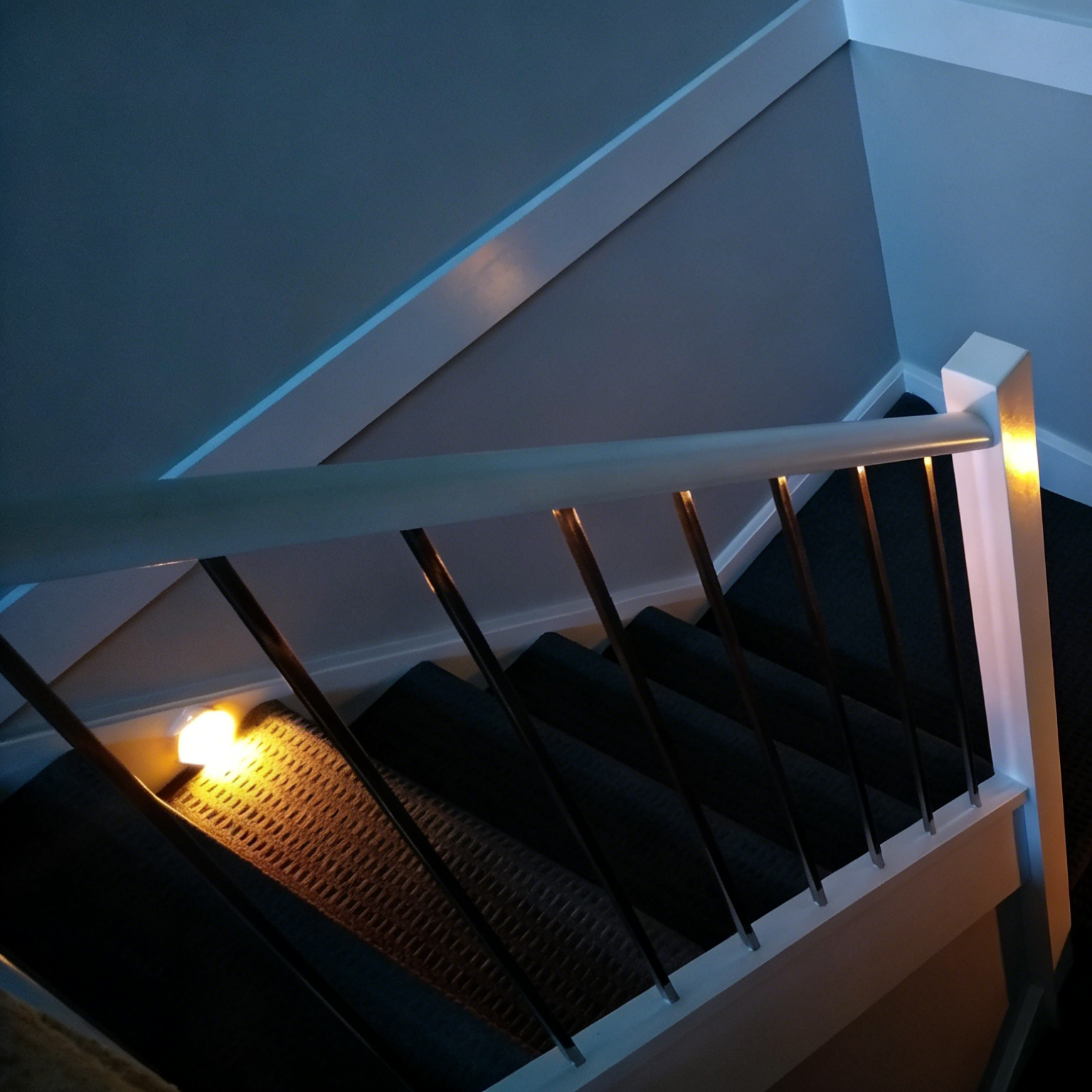
In our fast-paced modern world, creating an environment conducive to relaxation has become increasingly essential for maintaining physical and mental well-being. Among the many tools available to enhance comfort in living spaces, warm light night lights have emerged as a scientifically supported solution that profoundly influences how our bodies and minds respond to evening environments. These specialized lighting devices emit wavelengths specifically designed to promote calmness, support natural circadian rhythms, and transform ordinary rooms into sanctuaries of tranquility. Understanding the mechanisms through which warm light night lights work reveals why they have become indispensable for anyone seeking to improve their relaxation routines and overall comfort levels at home.
The effectiveness of warm light night lights stems from their fundamental interaction with human physiology, particularly the body's production of melatonin and the regulation of stress hormones. Unlike harsh blue-spectrum lighting that signals daytime alertness to our brains, warm amber and soft yellow tones create an atmospheric quality that mirrors the natural progression from daylight to dusk. This biological compatibility makes warm light night lights far more than mere decorative accessories—they function as therapeutic instruments that actively guide the body toward states of deep relaxation. From bedrooms to meditation spaces, nurseries to reading nooks, these lighting solutions address the growing need for environments that support genuine rest and comfort in homes where artificial illumination often disrupts natural sleep-wake cycles.
The Science Behind Warm Light and Human Relaxation Response
How Light Wavelengths Affect Brain Chemistry and Mood
The relationship between light wavelengths and human relaxation begins at the cellular level, where specialized photoreceptors in the retina detect different color temperatures and transmit signals directly to the brain's suprachiasmatic nucleus. Warm light night lights typically emit wavelengths between 1600K and 2700K, falling within the amber to soft yellow spectrum that research consistently associates with reduced cortisol production and increased feelings of calm. When these warm wavelengths enter the eye, they trigger minimal disruption to melatonin synthesis, the hormone responsible for regulating sleep cycles and promoting restorative rest. This biological response explains why exposure to warm light night lights in evening hours supports the body's natural transition toward sleep readiness without the alerting effects produced by cooler, blue-rich illumination.
Scientific studies examining the impact of different light spectrums on emotional states have demonstrated that warm light night lights create measurable changes in autonomic nervous system activity. Participants exposed to warm amber lighting show decreased heart rate variability patterns associated with sympathetic nervous system activation—the body's stress response—while simultaneously exhibiting increased parasympathetic activity that promotes rest and digestion. These physiological shifts manifest as subjective feelings of comfort, reduced anxiety, and improved mood states. The mechanism operates through multiple pathways, including direct effects on brain regions like the amygdala and hypothalamus, which regulate emotional processing and stress responses. For individuals struggling with evening tension or difficulty unwinding after demanding days, warm light night lights provide a non-pharmacological intervention that leverages the body's inherent sensitivity to environmental light cues.
Circadian Rhythm Alignment Through Warm Spectrum Illumination
Human circadian rhythms evolved over millennia in response to natural light patterns, where warm sunset tones signaled approaching nighttime and the need for rest. Modern artificial lighting disrupts this ancient biological programming, particularly when cool-toned LED bulbs and electronic screens flood living spaces with blue wavelengths during evening hours. Warm light night lights restore alignment with these evolutionary patterns by replicating the color temperature progression our ancestors experienced daily. This alignment proves crucial for maintaining healthy circadian function, as the body's internal clock relies heavily on environmental light signals to coordinate hormone release, body temperature regulation, and metabolic processes throughout the day-night cycle.
When individuals incorporate warm light night lights into their evening routines, they create environmental conditions that support natural melatonin elevation beginning approximately two hours before intended sleep time. Unlike exposure to standard household lighting that can suppress melatonin production by up to eighty percent, warm amber illumination allows this sleep-promoting hormone to rise according to its programmed schedule. The resulting synchronization between environmental lighting and internal biology enhances not only the ease of falling asleep but also sleep quality throughout the night and daytime alertness the following day. This comprehensive improvement in circadian function explains why warm light night lights contribute to relaxation that extends far beyond the immediate moments of exposure—they facilitate systemic improvements in the body's fundamental rest-activity cycles that compound over time with consistent use.
Psychological Comfort Mechanisms Activated by Warm Lighting
Creating Perceived Safety and Environmental Security
Beyond their physiological effects, warm light night lights profoundly influence psychological comfort through their impact on spatial perception and feelings of security. Complete darkness triggers primal anxiety responses in many individuals, remnants of evolutionary adaptations where nighttime vulnerability to predators shaped human psychology. Warm light night lights address this deep-seated response by providing sufficient illumination to maintain visual orientation while avoiding the alerting brightness that prevents relaxation. The soft glow creates what environmental psychologists term a 'protected boundary'—a subtle demarcation between known safe space and surrounding darkness that satisfies the brain's need for environmental awareness without stimulating hypervigilance.
This security-enhancing quality makes warm light night lights particularly valuable for individuals experiencing anxiety, recovering from trauma, or simply preferring not to sleep in complete darkness. The gentle amber illumination allows for easy navigation during nighttime awakenings without the disorienting shock of bright overhead lights, which can trigger full wakefulness and cortisol spikes that make returning to sleep difficult. Children especially benefit from this balanced approach, as warm light night lights provide reassurance against imagined threats while supporting healthy melatonin production that bright nightlights would compromise. The psychological comfort derived from this optimal lighting level creates a foundation for deeper relaxation, as the mind releases its defensive monitoring stance and permits the full engagement of restorative rest processes.
Atmospheric Quality and Emotional Associations with Warmth
The color temperature of warm light night lights carries powerful emotional associations rooted in human experience with natural light sources throughout history. Amber and golden tones evoke memories and sensations connected to candlelight, firelight, and sunset—all scenarios historically associated with safety, gathering, comfort, and the conclusion of daily activities. These deep cultural and experiential associations mean that warm light night lights automatically trigger positive emotional responses that cool-toned lighting cannot replicate. The brain processes warm illumination as inherently inviting and comforting, activating neural pathways linked to contentment, nostalgia, and interpersonal connection even when experienced alone.
Interior designers and lighting specialists recognize that warm light night lights transform room ambiance in ways that significantly affect occupant mood and behavior. Spaces illuminated with warm spectrum lighting consistently receive higher ratings for perceived coziness, comfort, and aesthetic appeal compared to identically furnished rooms lit with neutral or cool-toned sources. This atmospheric transformation occurs because warm lighting reduces the perceived harshness of architectural elements, softens shadows, and creates visual warmth that translates to emotional warmth in the viewer's experience. For relaxation purposes, this environmental quality proves invaluable—it converts ordinary bedrooms and living spaces into retreats that the mind associates with rest and recovery rather than productivity and alertness. The comprehensive sensory experience created by warm light night lights demonstrates how thoughtfully chosen illumination serves as a cornerstone of comfort-focused environmental design.
Practical Applications Across Different Living Environments
Bedroom Implementation for Enhanced Sleep Quality
The bedroom represents the primary environment where warm light night lights deliver their most significant relaxation benefits, functioning as essential components of comprehensive sleep hygiene practices. Strategic placement of these lighting devices creates a transition zone between evening activity and sleep preparation, signaling to both mind and body that the day's demands have concluded. Positioning warm light night lights on bedside tables or low wall outlets provides adequate illumination for pre-sleep activities like reading or journaling while maintaining the low-stimulation environment necessary for melatonin production. Many users discover that replacing all bedroom lighting with warm spectrum sources in the hours before bed dramatically improves their ability to feel genuinely tired rather than artificially wired by inappropriate lighting exposure.
The adjustable brightness capabilities found in quality warm light night lights allow users to customize illumination levels according to specific needs and activities. During the transition period before bed, slightly higher settings accommodate functional tasks while maintaining warm color temperature, then gradual dimming mirrors the natural fading of daylight that biological systems expect. This progression proves particularly effective for individuals with insomnia or delayed sleep phase syndrome, as it provides external cues that compensate for disrupted internal timing mechanisms. The consistent use of warm light night lights in bedroom environments establishes powerful conditioning associations where the amber glow itself becomes a sleep trigger, activating relaxation responses through learned behavioral patterns reinforced over time.
Living Spaces and Relaxation Zones Throughout the Home
While bedrooms receive primary focus, warm light night lights enhance relaxation in various home environments where evening comfort matters. Living rooms benefit from accent placement of these devices, creating islands of warm illumination that encourage conversation, reading, or quiet contemplation without the stimulating effects of overhead lighting. Hallways and bathrooms equipped with warm light night lights allow safe nighttime navigation while preserving sleep-supportive lighting conditions, preventing the full awakening that bright bathroom lights inevitably cause during middle-of-the-night trips. This whole-home approach recognizes that relaxation and circadian health depend on maintaining appropriate lighting throughout all spaces encountered during evening and nighttime hours.
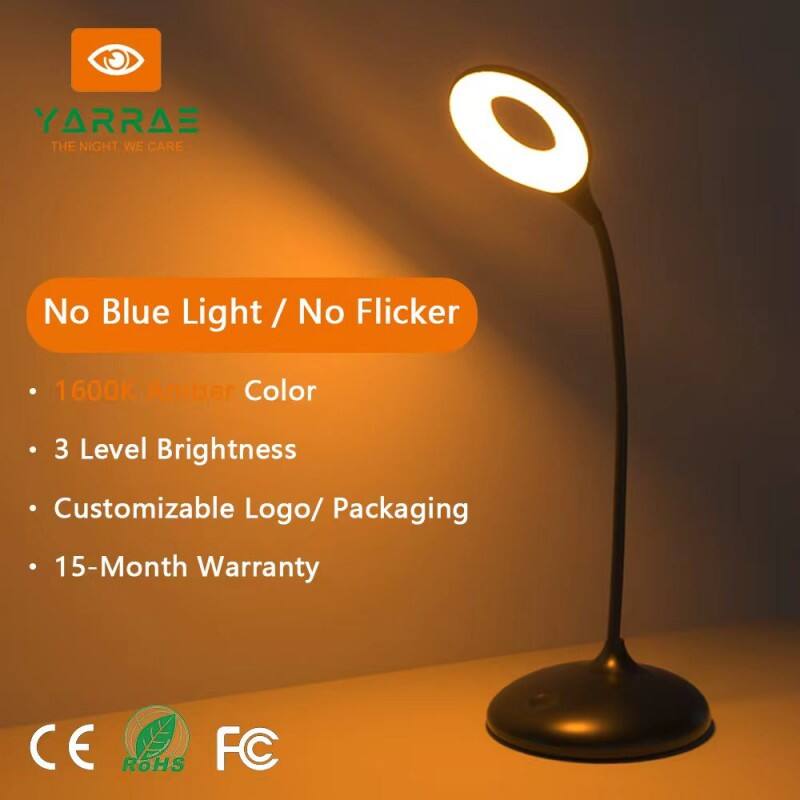
Meditation rooms, home offices used for evening wind-down activities, and nurseries represent specialized environments where warm light night lights serve distinct but equally important functions. In meditation spaces, the soft amber glow supports mindfulness practices by reducing visual distraction while maintaining sufficient light for safety and spatial awareness. Parents with infants and young children find that warm light night lights enable nighttime caregiving activities without fully disrupting either parent or child sleep architecture. Home offices transitioning from daytime productivity zones to evening relaxation spaces benefit from warm lighting that helps psychological separation between work and rest modes. These diverse applications demonstrate the versatility of warm light night lights as tools for comprehensive home environment optimization focused on supporting natural relaxation patterns across all daily activities and spaces.
Optimizing Warm Light Night Light Selection and Usage
Critical Specifications for Maximum Relaxation Benefit
Not all warm light night lights deliver equivalent relaxation benefits, making informed selection essential for achieving desired outcomes. The most crucial specification involves actual color temperature measurement, expressed in Kelvin units, with optimal relaxation support occurring between 1600K and 2200K—the deep amber range that minimizes circadian disruption. Many devices marketed as warm light night lights actually emit wavelengths in the 2700K to 3000K range, which, while warmer than standard bulbs, still contain sufficient blue spectrum content to interfere with melatonin production in sensitive individuals. Verifying specifications and seeking products explicitly designed for sleep support ensures investment in lighting that genuinely enhances relaxation rather than merely providing aesthetic warmth.
Brightness adjustability represents another critical feature, as individual sensitivity to light varies considerably and different activities require different illumination levels. Quality warm light night lights offer multiple dimming settings or continuous adjustment, allowing users to find their personal sweet spot between adequate visibility and minimal circadian disruption. Battery operation or cordless design enhances placement flexibility, enabling positioning exactly where light provides maximum benefit without constraint from outlet locations. Durability considerations including construction quality and rechargeable battery longevity affect long-term value, as these devices function most effectively when used consistently over extended periods. Consumers prioritizing relaxation benefits should evaluate warm light night lights as wellness investments rather than simple decorative items, applying the same scrutiny given to other health-supporting products.
Integration into Evening Routines for Consistent Results
Maximizing the relaxation benefits of warm light night lights requires thoughtful integration into consistent evening routines rather than sporadic use. Sleep scientists recommend beginning the transition to warm lighting approximately two to three hours before intended bedtime, creating a gradual environmental shift that supports natural melatonin rise. This means replacing or dimming standard household lighting in favor of warm light night lights during dinner preparation, evening leisure activities, and personal care routines. The consistency of this practice matters tremendously—irregular lighting patterns confuse circadian systems, whereas predictable daily rhythms strengthen the body's ability to anticipate and prepare for sleep, thereby enhancing overall relaxation capacity.
Pairing warm light night lights with other relaxation practices creates synergistic effects that exceed the benefits of any single intervention. Combining appropriate lighting with reduced screen time, temperature optimization, calming activities, and stress reduction techniques establishes comprehensive environmental conditions for deep relaxation. Users often report that warm light night lights serve as anchors for entire evening wind-down sequences, with the act of switching to amber illumination functioning as a behavioral cue that initiates psychological preparation for rest. This ritualistic quality enhances the effectiveness of warm light night lights beyond their purely biological impacts, demonstrating how environmental modifications gain power through integration with intentional relaxation practices and consistent application over time.
Long-Term Health Implications of Warm Evening Lighting
Cumulative Benefits for Sleep Architecture and Recovery
The relaxation enhancements provided by warm light night lights translate into substantial long-term health benefits through their effects on sleep architecture—the structure and quality of sleep stages throughout the night. When evening lighting supports natural melatonin production and circadian alignment, individuals experience more efficient sleep onset, increased time in restorative deep sleep stages, and more consolidated sleep with fewer awakenings. These architectural improvements in sleep quality directly affect daytime functioning, with research linking better sleep structure to enhanced cognitive performance, emotional regulation, immune function, and metabolic health. The consistent use of warm light night lights thus represents an investment not merely in nightly comfort but in comprehensive wellness across multiple physiological systems.
Chronic sleep disruption associated with inappropriate evening lighting contributes to serious health conditions including obesity, diabetes, cardiovascular disease, and mood disorders. By contrast, maintaining circadian-supportive lighting patterns through warm light night lights helps prevent these outcomes by preserving the body's natural regulatory processes. The accumulation of quality sleep nights—each supported by appropriate environmental lighting—creates a foundation of physiological resilience that protects against stress, illness, and premature aging. This long-term perspective reveals warm light night lights as preventive health tools rather than mere comfort accessories, with benefits that compound over months and years of consistent use to produce measurable improvements in overall health trajectories and quality of life.
Stress Reduction and Mental Health Support
Beyond sleep-specific benefits, warm light night lights contribute to mental health through multiple pathways connecting lighting, stress physiology, and psychological well-being. Evening exposure to warm spectrum illumination reduces cortisol elevation that typically occurs with bright or blue-rich lighting, helping maintain the natural decline in stress hormones that should characterize the transition toward sleep. This hormonal pattern supports emotional regulation and anxiety reduction, as elevated evening cortisol interferes with the parasympathetic nervous system activation necessary for genuine relaxation. Individuals managing anxiety disorders, depression, or high-stress lifestyles often find that environmental modifications including warm light night lights provide meaningful symptom relief when combined with other therapeutic approaches.
The consistent relaxation supported by warm light night lights also influences mental health through improved emotional resilience and stress recovery capacity. Quality rest enables more effective processing of emotional experiences, better perspective on daily challenges, and enhanced ability to cope with adversity. The cumulative effect of nights spent in appropriately lit, genuinely relaxing environments builds psychological resources that protect against burnout and emotional exhaustion. For anyone prioritizing mental wellness, the strategic use of warm light night lights represents an accessible, evidence-based intervention that addresses the environmental factors affecting psychological health. This holistic understanding positions appropriate lighting as a fundamental component of mental health maintenance rather than a peripheral consideration in wellness planning.
FAQ
What makes warm light night lights more effective for relaxation than regular nightlights?
Warm light night lights emit specific wavelengths in the amber to soft yellow spectrum, typically between 1600K and 2700K, which minimally disrupt melatonin production and naturally support the body's transition toward sleep. Regular nightlights often use cool-toned LEDs that contain blue spectrum wavelengths, which signal daytime to the brain and suppress melatonin synthesis by up to eighty percent. This fundamental difference in color temperature creates opposite physiological effects—warm light night lights promote relaxation and circadian alignment while standard nightlights can actually interfere with natural sleep processes despite providing visibility. The relaxation effectiveness stems from biological compatibility with human evolutionary adaptations to natural light patterns where warm sunset tones historically signaled rest time.
Can warm light night lights help with insomnia or sleep difficulties?
Warm light night lights can significantly support individuals experiencing insomnia or sleep difficulties, particularly when sleep problems relate to circadian rhythm disruption or evening light exposure. By providing appropriate spectrum illumination during pre-sleep hours, these devices help restore natural melatonin production patterns that may be suppressed by standard household lighting. Many people with delayed sleep phase syndrome or general difficulty feeling tired at appropriate bedtimes find that transitioning to warm light night lights two to three hours before bed improves their ability to achieve sleepiness. However, warm lighting functions as one component of comprehensive sleep hygiene rather than a standalone cure—it works most effectively when combined with consistent sleep schedules, appropriate bedroom environment, and other evidence-based sleep practices. Individuals with persistent insomnia should consult healthcare providers for complete evaluation and treatment planning.
How should warm light night lights be positioned in bedrooms for maximum benefit?
Optimal positioning of warm light night lights depends on their intended function but generally involves placement that provides sufficient illumination for safe navigation and pre-sleep activities without directing bright light toward the eyes when lying in bed. Bedside table placement works well for reading or relaxation activities before sleep, while low wall outlets or floor-level positioning effectively enables nighttime bathroom trips without causing full awakening. Avoid positioning warm light night lights where they create glare or direct beams toward sleeping areas, as even warm spectrum light can disrupt sleep if excessively bright or poorly directed. Multiple devices at different locations often provide more balanced illumination than a single bright source, allowing lower individual brightness settings while maintaining adequate overall visibility throughout the bedroom space.
Are there specific color temperatures within the warm spectrum that work best for relaxation?
Research indicates that the deepest amber tones in the 1600K to 2000K range provide maximum circadian support and relaxation benefits, as these wavelengths contain virtually no blue spectrum content that might interfere with melatonin production. However, many individuals find extremely amber light visually unfamiliar or aesthetically displeasing initially, making the 2200K to 2700K range a practical compromise that still offers substantial benefits over standard lighting while providing more recognizable illumination quality. Personal sensitivity varies considerably—some people notice significant relaxation improvements with any warm spectrum lighting, while others require the deepest amber tones to experience effects. Experimentation with adjustable warm light night lights allows individuals to identify their personal optimal color temperature, which may differ based on individual circadian sensitivity, existing sleep quality, and environmental factors in specific living spaces.
Table of Contents
- The Science Behind Warm Light and Human Relaxation Response
- Psychological Comfort Mechanisms Activated by Warm Lighting
- Practical Applications Across Different Living Environments
- Optimizing Warm Light Night Light Selection and Usage
- Long-Term Health Implications of Warm Evening Lighting
-
FAQ
- What makes warm light night lights more effective for relaxation than regular nightlights?
- Can warm light night lights help with insomnia or sleep difficulties?
- How should warm light night lights be positioned in bedrooms for maximum benefit?
- Are there specific color temperatures within the warm spectrum that work best for relaxation?