
 EN


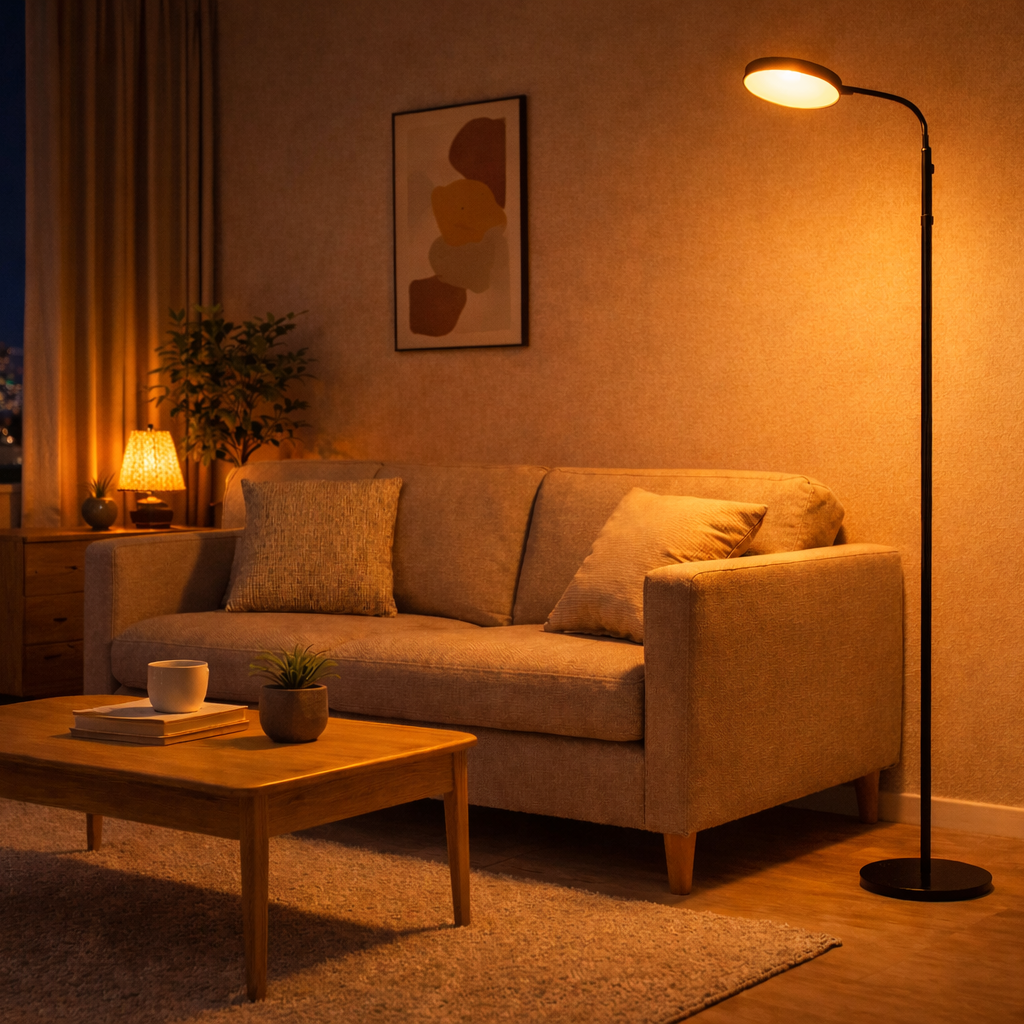
Brands increasingly recognize that lighting profoundly affects employee wellness, customer experience, and overall brand perception. A floor light has emerged as a strategic tool for organizations committed to healthy lighting environments. Unlike traditional ceiling-mounted fixtures, a modern floor light offers flexibility, targeted illumination, and the capacity to reduce eye strain while creating ambiance that supports circadian rhythm alignment. For brands prioritizing occupant health and wellness, investing in quality floor light solutions represents both a practical upgrade and a meaningful brand commitment.
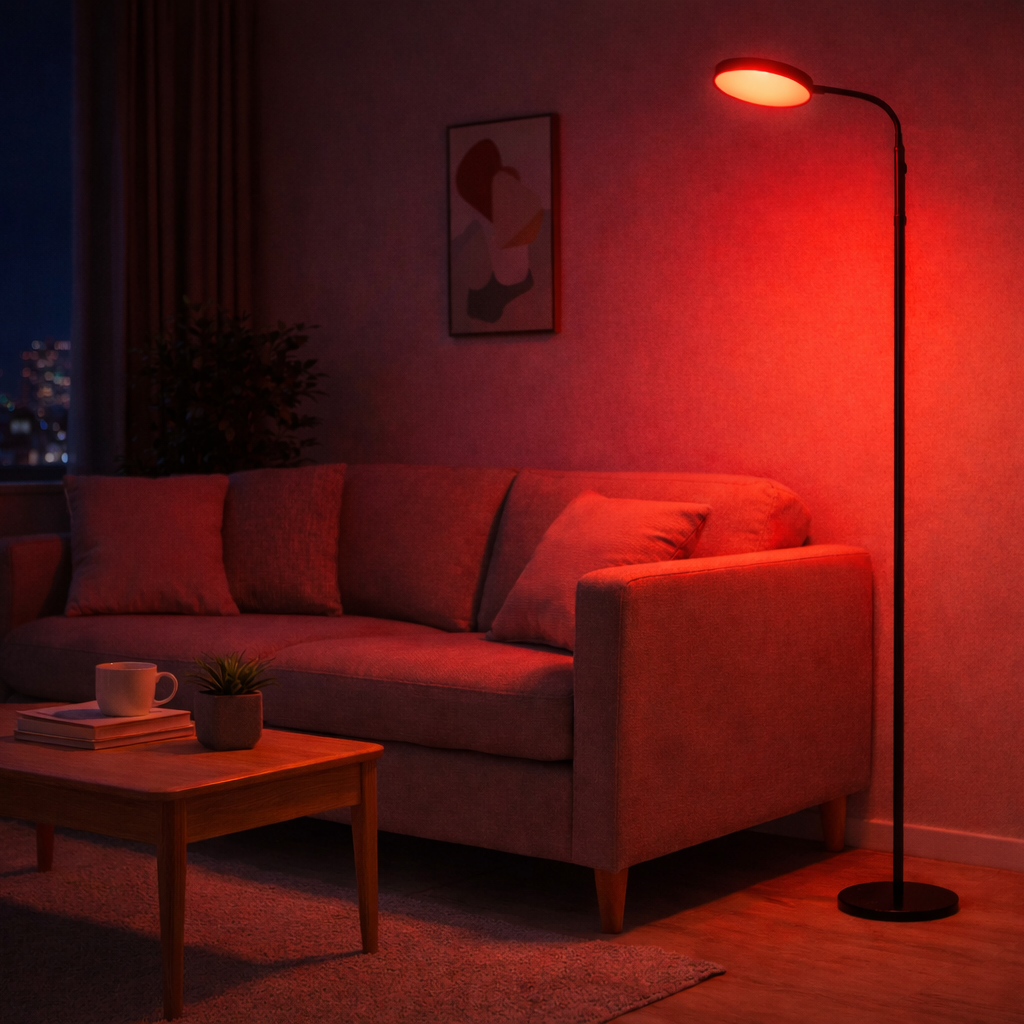
The question of whether a floor light qualifies as a smart investment depends on understanding the broader context of healthy lighting strategy. Smart floor light systems now incorporate color-tunable technology, dimmable output, and positioning flexibility that legacy lighting infrastructure simply cannot provide. Forward-thinking brands are discovering that premium floor light installations yield measurable returns through improved wellbeing metrics, reduced absenteeism, and enhanced spatial perception. This article explores the business case for floor light adoption, evaluates the wellness impact, and clarifies when floor light investments deliver genuine value beyond aesthetic appeal.
Understanding Floor Light Technology and Healthy Lighting Principles
How Modern Floor Light Design Supports Circadian Alignment
A floor light designed for wellness goes beyond simple illumination. Contemporary floor light systems integrate tunable color temperature, allowing users to shift from cool-toned lighting during morning and afternoon hours to warmer tones in evening settings. This capability directly supports the body's natural circadian rhythm, which responds to light wavelengths and intensity. When a floor light offers color-change functionality, occupants can maintain alertness during work hours while transitioning to rest-promoting warm light as day concludes. Research in occupational health demonstrates that circadian-aligned lighting reduces sleep disruption, improves cognitive performance, and enhances mood stability. A quality floor light that incorporates these principles represents an evidence-based investment rather than a trend-driven purchase.
The Role of Floor Light in Reducing Eye Strain and Fatigue
Traditional overhead lighting often creates glare and uneven illumination across workspaces, contributing to digital eye strain and headaches. A strategically positioned floor light delivers localized, adjustable illumination that reduces contrast between screen brightness and surrounding environment. By allowing users to control floor light intensity without affecting the entire room, organizations can accommodate diverse visual needs and work styles. Studies in environmental ergonomics show that personalized floor light control significantly decreases reported eye fatigue and visual discomfort. Brands investing in employee wellness find that deploying floor light units across open-plan spaces creates micro-environments where individuals can optimize their lighting preferences, reducing long-term health complaints and supporting sustained productivity.
Business Case for Floor Light Investment in Brand-Conscious Organizations
Measurable Wellness Outcomes and Organizational ROI
Quantifying the return on floor light investment requires tracking both tangible and intangible metrics. Organizations implementing premium floor light solutions report reductions in sick leave, fewer reported headaches and eye strain complaints, and improved survey scores on environmental satisfaction. Productivity studies indicate that workers with personalized floor light control complete tasks more efficiently and experience higher engagement levels. From a brand perspective, companies known for prioritizing occupant wellness attract talent more effectively and build customer trust in spaces where floor light supports healthy environments. The initial capital investment in floor light systems typically yields measurable returns within 18-36 months through reduced healthcare costs, lower turnover expenses, and improved operational efficiency. For brands competing in talent-sensitive markets, floor light represents a differentiator that communicates genuine commitment to employee wellbeing.
Floor Light as a Brand Statement and Environmental Design Element
Beyond functional benefits, a floor light choice signals brand values to both internal audiences and external stakeholders. Premium floor light installations in reception areas, meeting spaces, and collaborative zones communicate that the organization invests in quality environments. Sustainable floor light options using LED technology reduce energy consumption, supporting corporate environmental goals and reducing operational costs. A modern floor light can function as sculptural design element, enhancing spatial aesthetics while delivering measurable wellness benefits. Brands increasingly leverage floor light investments in sustainability reporting, workplace wellness programs, and facility marketing. This dual functionality—delivering measurable health impact while reinforcing brand positioning—transforms floor light from a utility purchase into a strategic asset that supports multiple organizational objectives simultaneously.
Evaluating Floor Light Suitability Across Different Organizational Contexts
Identifying Environments Where Floor Light Delivers Maximum Impact
Not every space requires identical floor light solutions, and smart investment requires matching floor light specifications to specific environmental needs. Open-plan offices benefit substantially from distributed floor light units that allow team members to personalize illumination without disrupting neighbors. Executive offices and meeting spaces gain considerable impact from statement floor light pieces that combine functional illumination with design sophistication. Retail environments leverage floor light to create branded experiences, using color-tunable floor light to evoke specific moods and enhance product presentation. Remote work setups increasingly include floor light investments as employees create home office environments that support sustained focus and evening recovery. Customer-facing spaces like hospitality venues use designer floor light installations to establish ambiance, support guest comfort, and reinforce brand identity. Evaluating whether a floor light investment suits your organizational context requires honestly assessing current lighting pain points, occupancy patterns, and wellness priorities.
Cost Considerations and Long-Term Value Perspective
Premium floor light systems represent a significant upfront investment compared to standard fixtures, typically ranging from mid-range to luxury price points depending on specifications and design. However, evaluating floor light value requires calculating total cost of ownership across the expected lifespan, typically 10-15 years for quality installations. Modern floor light using LED technology consumes 75-80% less energy than incandescent alternatives, generating measurable utility savings. Durable floor light construction minimizes replacement costs, and modular designs allow for fixture upgrades without complete system replacement. When brands factor in reduced absenteeism, decreased healthcare complaints, improved retention, and enhanced brand perception, floor light investments frequently demonstrate superior ROI compared to generic lighting upgrades. Organizations should conduct lifecycle cost analysis specific to their context rather than treating floor light as a discretionary premium purchase unsuitable for budget-conscious decisions.
FAQ
Does a floor light actually improve employee health and wellness?
Yes, evidence-based floor light systems with tunable color temperature and dimmable intensity demonstrably support circadian rhythm alignment and reduce eye strain. Published research in occupational health and environmental psychology confirms that personalized floor light control decreases fatigue reports, improves sleep quality, and supports cognitive performance. However, floor light effectiveness depends on proper implementation—simply installing any floor light fixture without considering color temperature, positioning, and user control produces minimal wellness benefit. Organizations implementing floor light with intentional specifications aligned to circadian principles and task requirements see measurable health improvements within months.
What makes a floor light investment smart for brands specifically?
A floor light becomes a smart investment when it serves multiple organizational functions simultaneously: delivering measurable wellness outcomes, supporting sustainability goals, enhancing brand perception, and demonstrating commitment to occupant health. Brands competing for talent in wellness-conscious markets find that visible floor light investments communicate authentic values and attract mission-aligned employees. Premium floor light selections that balance design sophistication with functional illumination reinforce brand identity while delivering documented health benefits. The smart floor light investment treats lighting as a strategic priority rather than a utility afterthought, creating competitive advantage through deliberate environmental design.
How should organizations assess whether their specific spaces need floor light upgrades?
Start by conducting an honest audit of current lighting complaints, productivity patterns, and wellness priorities. If your organization receives frequent reports of eye strain, headaches, or sleep disruption despite existing lighting, floor light upgrades warrant serious consideration. Evaluate spaces where employees spend extended focus time, where design aesthetic influences customer perception, or where flexible work patterns create diverse lighting needs. Pilot floor light installations in one high-impact area, track wellness metrics and employee satisfaction, then scale successful implementations. This data-driven approach transforms floor light investment from a speculative purchase into a validated strategic decision supported by organizational evidence.